Allahabad High Court seeks reply on petition of journalist Satyam Verma
Source Entity
The Indian Express
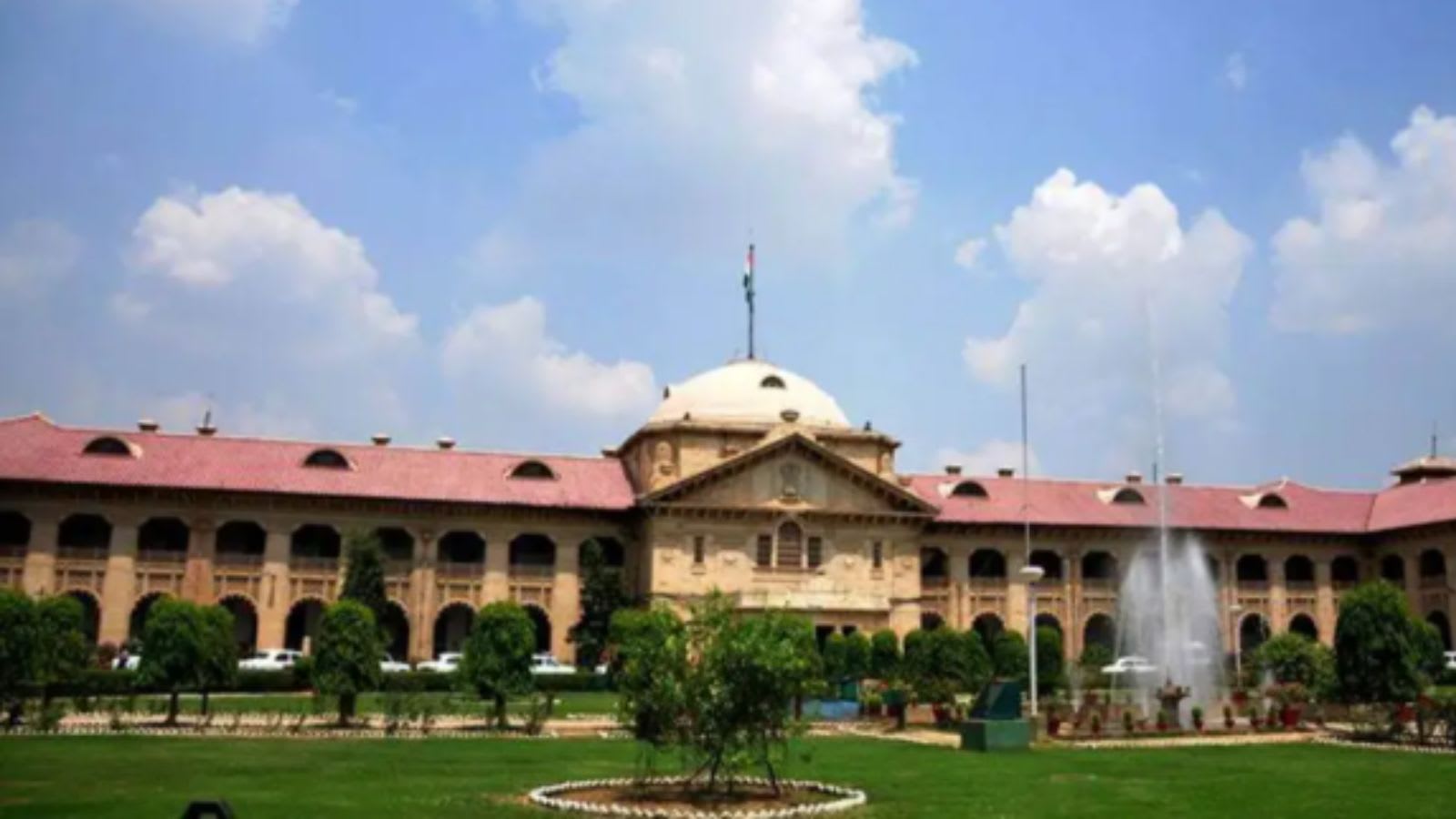
The Allahabad High Court is currently reviewing bail and detention challenges for journalist Satyam Verma, who is under the National Security Act following an April 2026 Noida workers' protest. Key legal proceedings include arguments regarding the principle of parity in bail and a habeas corpus petition against his preventive detention.
Legal Challenges Surrounding Satyam Verma: An Overview
The legal situation involving freelance translator and former journalist Satyam Verma has intensified following his arrest and subsequent preventive detention under the National Security Act (NSA), 1980. The proceedings relate to his alleged involvement in the April 2026 workers’ protests in Noida, which were centered on demands for minimum wage. As of mid-September 2026, Verma is navigating a complex judicial landscape involving both a pending bail plea and a habeas corpus petition challenging the very basis of his incarceration.
The Principle of Parity in Bail Hearings
A central component of Verma's legal strategy is the invocation of the 'principle of parity.' In Indian criminal jurisprudence, this principle posits that if a co-accused—facing similar allegations and circumstances—has been granted bail, the current applicant should theoretically receive the same relief. Verma’s counsel argued this on September 15, 2026, citing a co-accused who secured bail on June 23. However, the Allahabad High Court deferred the hearing after the state counsel requested time to file formal objections, emphasizing that parity is not an absolute right and courts must evaluate the individual role and specific circumstances of each accused.
Challenging Preventive Detention via Habeas Corpus
Beyond the bail plea, Verma has filed a habeas corpus petition to contest his detention under the NSA. This petition, heard by a division bench of Justices Atul Sreedharan and Achal Sachdev, directly challenges the May 12 detention order issued by the Gautam Buddh Nagar District Magistrate. Verma contends that he was not present at the site of violence described in the state's detention documents and argues that the initial workers' protest for minimum wage did not constitute a legitimate threat to public order.
Judicial Scrutiny of State Actions
The Allahabad High Court's decision to issue notices to the Union of India, the Uttar Pradesh state government, and the District Magistrate on September 16 signifies a critical stage in the oversight of preventive detention powers. By seeking formal responses from these authorities, the court is preparing to scrutinize the justification for invoking the NSA—a stringent law intended for situations threatening national security or public order—against a journalist participating in labor-related advocacy.
Broader Implications for Civil Liberties
The case highlights the tension between the state's power to maintain public order and the individual's right to liberty. The debate over whether labor protests can be classified under the NSA has significant implications for how civil society and journalists engage in public discourse. As the court prepares for the next hearing on October 7, the legal community will be watching to see how the judiciary balances the state's security narrative against the petitioner’s claims of illegal detention and his defense regarding his absence from the alleged site of violence.
Conclusion
The dual-track legal battle—combining a request for bail based on parity and a constitutional challenge to the NSA detention—sets a high-stakes precedent for the coming months. With the state government required to justify the detention orders and the court evaluating the specific role of the accused, the outcome of these hearings on September 23 and October 7 will likely clarify the thresholds for both bail parity and the use of the National Security Act in the context of labor unrest.
Multiple Citing Sources