Gogoi, Cong leaders detained in 'vote chori' protest; water cannons used in Patna, Chandigarh
Source Entity
AADRITA HALDER
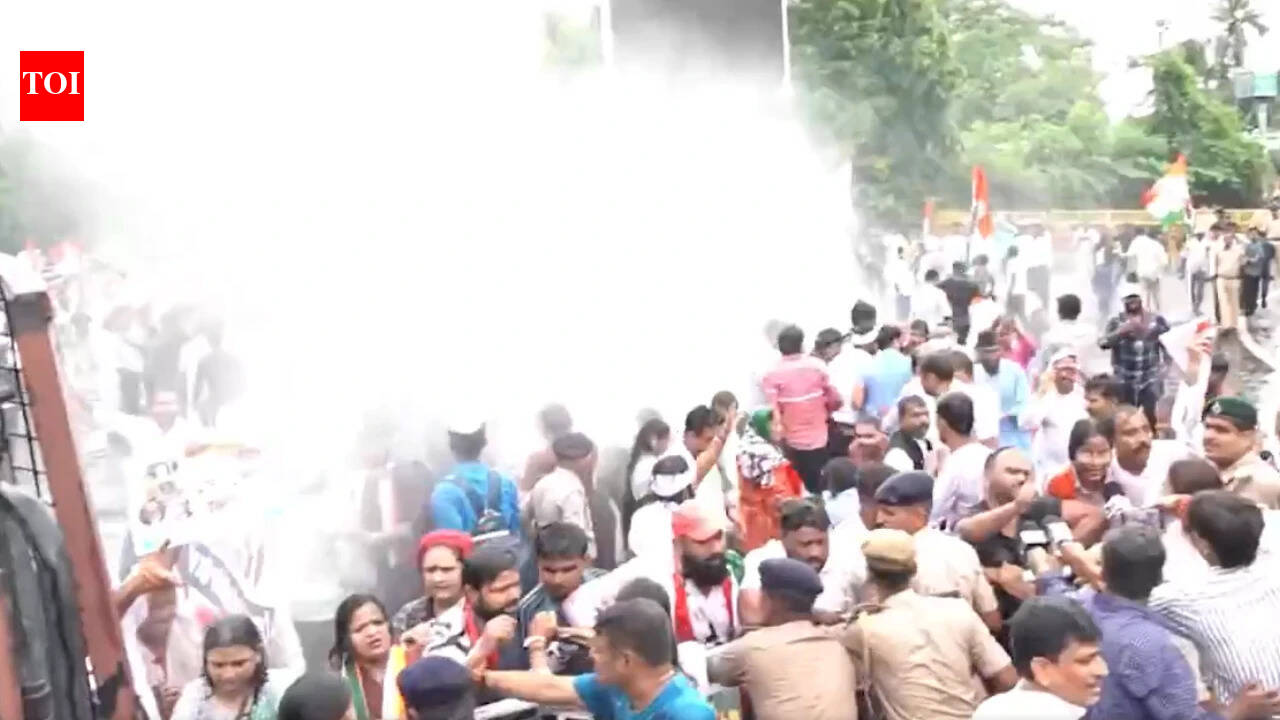
Congress leaders, including Gaurav Gogoi, were detained across India during protests demanding the removal of Election Commissioner Gyanesh Kumar. The party alleges electoral irregularities, while the ECI maintains its stance against claims of internal dissent.
Escalating Tensions: The Congress-ECI Standoff
The political landscape in India has witnessed a sharp escalation in tensions as the Indian National Congress (INC) takes to the streets to challenge the integrity of the electoral process. The recent detention of Assam Congress chief Gaurav Gogoi and several party leaders in Guwahati serves as a flashpoint for a broader, nationwide movement spearheaded by the opposition. These protests, centered on the demand for the removal of Election Commissioner Gyanesh Kumar, signal a significant breakdown in the relationship between the primary opposition party and the constitutional body responsible for overseeing Indian elections.
The Mechanics of Protest and State Response
Across multiple state capitals, including Chandigarh and Patna, the situation turned confrontational as authorities deployed water cannons to disperse Congress demonstrators. This heavy-handed response highlights the increasing friction between state machinery and political dissent. The protests are not isolated incidents but represent a coordinated effort by the Congress party to bring their grievances regarding 'vote chori' (vote theft) into the public sphere. The visual impact of water cannons being used against party workers serves as a potent tool for the opposition to galvanize their base and highlight their claims of systemic bias.
Strategic Mobilization and Digital Advocacy
Beyond physical demonstrations, the Congress party is utilizing a multi-pronged strategy to amplify its message. The Youth Congress has launched an online petition, signaling a shift toward digital mobilization to reach a younger demographic concerned with democratic processes. This digital push runs parallel to the vocal allegations led by Rahul Gandhi and supported by Priyanka Gandhi Vadra, who have consistently questioned the transparency of the Election Commission of India (ECI). By framing these protests as a defense of democratic institutions, the party aims to sustain public interest through both offline disruption and online engagement.
Institutional Challenges and Legal Scrutiny
While the ECI has formally rejected claims of internal dissent, the political pressure remains unabated. The complexity of the situation is further compounded by external political voices, such as Chirag Paswan, who has urged the ECI to provide public clarifications to settle the growing controversy. Simultaneously, the legal front has become a critical battleground, with a plea filed in the Supreme Court specifically challenging the appointment or role of Gyanesh Kumar. This move suggests that the opposition is determined to exhaust both political and judicial avenues to force accountability.
Broader Implications for Indian Democracy
These events underscore a deepening crisis of confidence in electoral management. The threat of nationwide protests by the Citizens for Justice and Peace (CJP) suggests that the movement may soon transcend partisan lines, potentially drawing in civil society organizations. As the Congress continues to escalate its rhetoric, the ECI faces the difficult task of maintaining its perceived neutrality while navigating intense political fire. The outcome of these protests, and the subsequent legal deliberations, will likely set a significant precedent for how electoral complaints are handled in the future and how the independence of constitutional bodies is defended in a polarized political climate.