Congress vs Congress over Siraj: Party MP tells Imran Masood to 'not interfere'
Source Entity
AASTHA JHA
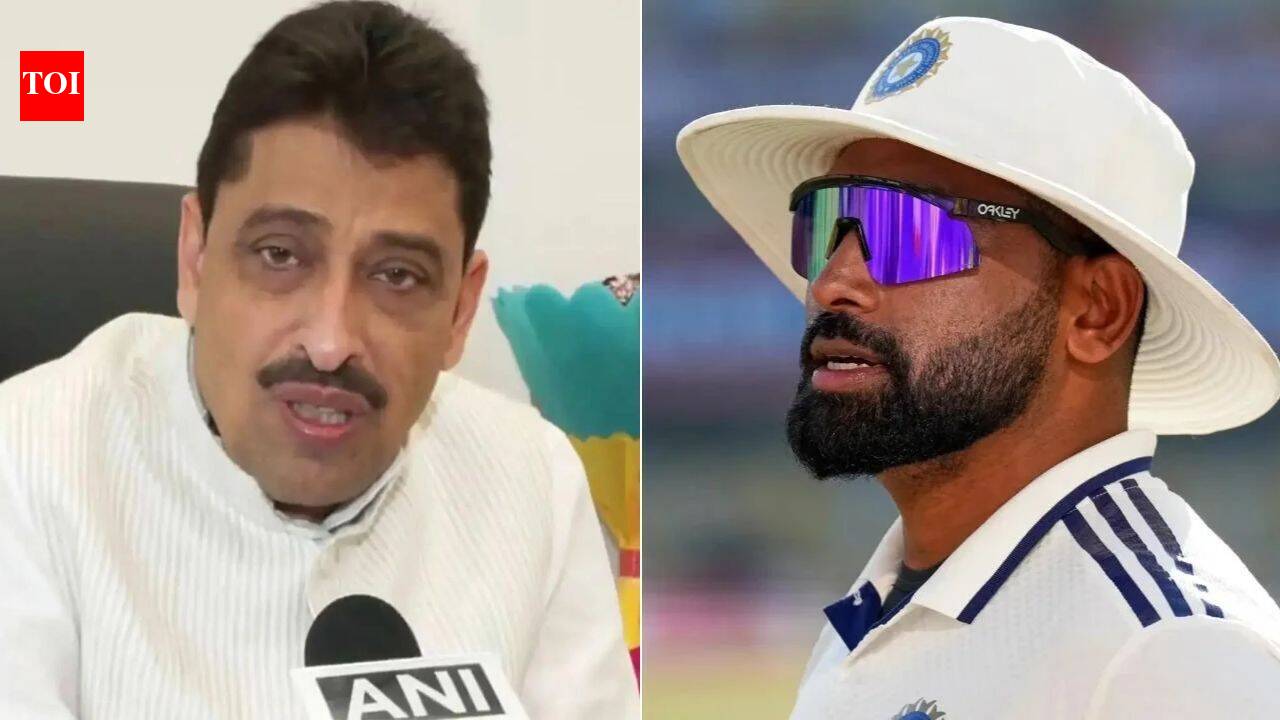
Congress MP Imran Masood faced backlash for suggesting religious bias in Mohammed Siraj's exclusion from the Test squad. Fellow party member Ranjeet Ranjan and Union Minister Kiren Rijiju criticized the remarks, emphasizing that team selection should be based solely on merit.
The Intersection of Sports and Political Discourse
A recent controversy involving Saharanpur MP Imran Masood has ignited a debate regarding the selection criteria for the Indian national cricket team. The controversy began when Masood suggested that the exclusion of fast bowler Mohammed Siraj from the playing XI for the first Test against New Zealand was influenced by religious bias. This assertion has sparked significant pushback from both political rivals and members of his own party, highlighting the sensitive nature of blending sports administration with communal narratives.
Internal Party Dissent and Meritocracy
The narrative took a sharp turn when Congress MP Ranjeet Ranjan publicly advised Masood to refrain from mixing politics with sports. By urging a separation of these spheres, Ranjan underscored the necessity of maintaining the integrity of professional sports selection, which is traditionally governed by performance metrics rather than external political commentary. Masood has since attempted to downplay the controversy, shifting his public stance to emphasize that selections should be merit-based, citing other players like Mohammed Shami and Sarfaraz Khan as examples of talent that should be recognized based on performance.
Government Response and the Rejection of Communal Claims
The political fallout extended to the central government, with Minority Affairs Minister Kiren Rijiju and various Uttar Pradesh BJP leaders strongly condemning the insinuations. Minister Rijiju explicitly rejected the claim of religious discrimination in Indian sports, asserting that opportunities in the country are provided based on merit. This response serves as a firm rebuttal to the narrative of bias, reinforcing the official government position that the Indian cricket team remains a meritocratic institution.
The Impact of High-Profile Omissions
Mohammed Siraj, who has been a standout performer as India’s top wicket-taker in the current World Test Championship cycle, remains a central figure in this discourse. The frustration regarding his omission is understandable from a fan's perspective, yet the politicization of this tactical decision has proven to be highly contentious. When political leaders inject identity politics into professional team selection, it risks undermining the hard work of selectors and the athletes themselves.
Broader Implications for Sports Governance
This incident highlights the growing trend of political leaders using sports as a platform to articulate grievances or capture headlines. The backlash faced by Masood indicates a public and political consensus that professional sports should remain insulated from communal rhetoric. As the Indian cricket team navigates complex selection challenges, the focus is likely to remain on performance-based metrics, with political figures facing mounting pressure to respect the autonomy of sports governing bodies.
Future Outlook
Moving forward, this episode will likely serve as a cautionary tale for politicians attempting to leverage sports-related frustrations for political mileage. The firm stance taken by both the ruling party and internal voices within the Congress suggests that such rhetoric will continue to be met with swift correction. Ultimately, the priority for the cricketing establishment remains the pursuit of excellence on the field, independent of the political climate.