Could take Jannik Sinner a year to fully recover: Former world No. 1
Source Entity
The Indian Express
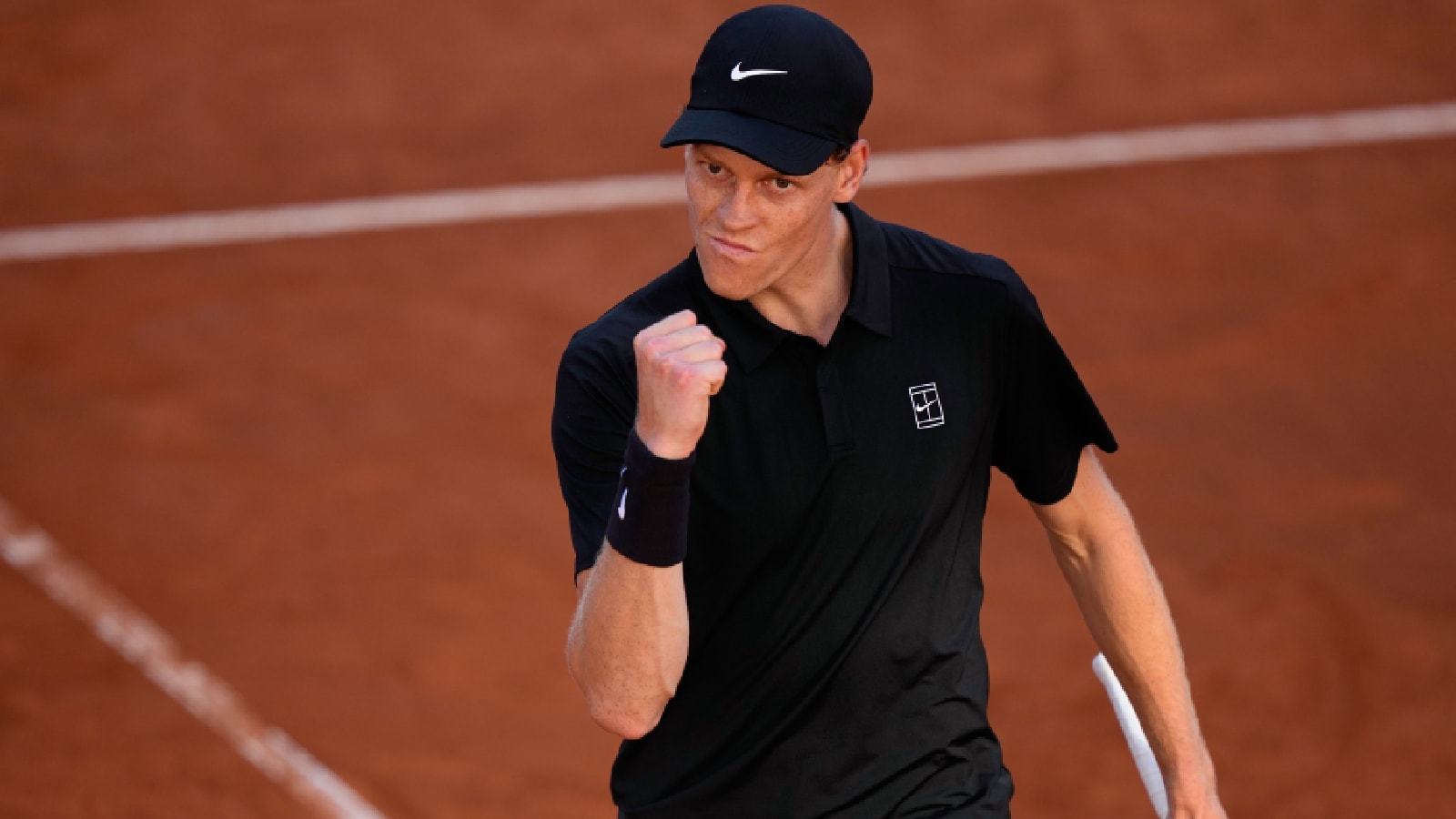
Former world No. 1 Mats Wilander suggests Jannik Sinner faces a challenging road to recovery from a persistent left knee injury. The path back to his previous dominant form may take up to a year, casting uncertainty on his upcoming season.
The Uncertain Future of Jannik Sinner
Jannik Sinner, the Italian tennis sensation, currently finds himself at a critical juncture in his professional career. Following a prolonged layoff due to a persistent and troublesome left knee injury, Sinner has slipped from the top of the ATP rankings to world No. 2. This physical setback has cast a long shadow over his immediate future, specifically regarding his status for the upcoming Australian Open, where his participation remains officially unconfirmed.
Expert Perspectives on Recovery
Mats Wilander, a seven-time Major winner and former world No. 1, has provided a sobering assessment of the situation. According to Wilander, the recovery process for a player of Sinner’s caliber is not merely about returning to the court, but regaining the specific level of dominance that defined his ascent. Wilander suggests that a full return to his peak performance could take as long as a year, emphasizing that the gap between playing competitive tennis and reaching Grand Slam-winning superiority is vast.
The Physicality of Modern Tennis
The nature of Sinner’s injury highlights the extreme physical demands placed on modern tennis professionals. At 25, Sinner is in what is traditionally considered the prime of an athlete's career, yet the potential requirement for knee surgery underscores the fragility of high-intensity sports performance. The repetitive strain of hard-court surfaces, combined with the explosive movement required at the elite level, makes knee injuries particularly debilitating for players who rely on court coverage and baseline dominance.
Challenges of Returning to Elite Status
Returning to the tour after a significant injury layoff is a multifaceted challenge. Beyond the physical healing, players must navigate the psychological hurdle of trusting their bodies again during high-stakes matches. Wilander’s commentary at the ATP Finals serves as a reality check for fans and analysts alike; he notes that while a player might return to win individual matches, achieving the consistent, overwhelming superiority required to win a Grand Slam title is an entirely different benchmark.
Broader Implications and Future Trends
If Sinner does proceed with surgery, his absence from the tour will leave a significant void at the top of the ATP rankings. His situation reflects a broader trend in professional tennis where the physical longevity of players is increasingly threatened by the rigor of a packed calendar. The coming months will be pivotal, as Sinner must balance the desire to compete at the highest level with the long-term necessity of a full, medically-sound rehabilitation process.
Conclusion
Ultimately, the road ahead for Jannik Sinner is one of patience and calculated risk. While the tennis community eagerly awaits his return to the court, the expert consensus suggests that the journey back to world No. 1 status will be a marathon rather than a sprint. Whether he can replicate his previous dominance remains the central question of his 2025 campaign, as he navigates the delicate balance between competitive ambition and physical health.