Congress workers stage protest outside CEC’s parental residence in Agra, elsewhere in Uttar Pradesh
Source Entity
Latest News: Todays Latest News Headlines from India & World | Hindustan Times | Hindustan Times
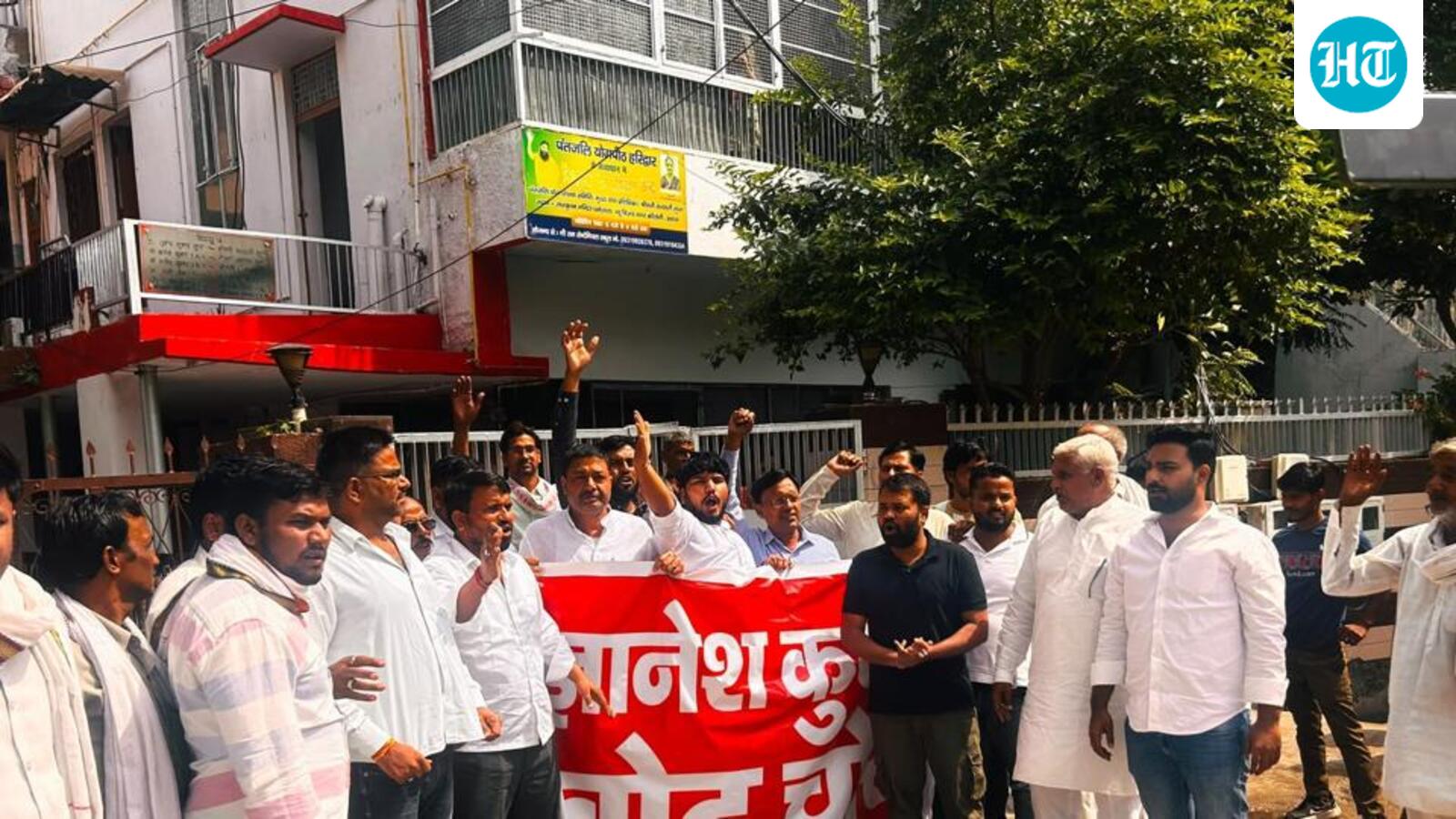
Congress party workers across India are staging protests demanding the resignation of CEC Gyanesh Kumar. The demonstrations, occurring in states like Uttar Pradesh and Telangana, focus on alleged irregularities in the Special Intensive Revision of electoral rolls.
Nationwide Protests Target Election Commission Leadership
The Indian political landscape has seen a surge in agitation led by the Congress party, directed specifically at Chief Election Commissioner (CEC) Gyanesh Kumar. Protests have erupted across multiple states, most notably in Uttar Pradesh and Telangana, where party cadres have mobilized to demand the CEC's resignation. These demonstrations represent a significant escalation in the ongoing friction between the opposition and the constitutional body responsible for overseeing the democratic process in India.
The Incident in Agra and Legal Consequences
In Agra, the situation took a confrontational turn when Congress workers gathered outside the parental residence of CEC Gyanesh Kumar at Vijay Nagar Colony. The protest involved painting slogans directly onto the main gate of the property. Local law enforcement intervened, leading to the arrest of prominent figures including former Congress state general secretary Anil Yadav and Mathura district Congress president Mukesh Dhangar. While the police successfully removed the slogans and confirmed that no family members were present during the incident, the event underscores the intensity of the party's grievances.
Grievances Regarding Electoral Roll Revisions
At the heart of these protests is the 'Special Intensive Revision' (SIR) of electoral rolls. The Telangana Congress, led by state president B. Mahesh Kumar Goud, has characterized the ECI’s management of this exercise as a "mishandling." The party has leveled serious allegations of "vote chori" (vote theft), urging the Commission to provide public transparency regarding internal objections reportedly raised by other Election Commissioners. This demand for accountability highlights a growing trust deficit regarding the technical processes of voter registration.
Broader Political Context and Strategic Pressure
These protests are not isolated events but part of a coordinated national strategy. Simultaneous demonstrations, such as the one held in Hyderabad, indicate a concerted effort by the Congress leadership to keep the pressure on the Election Commission. The timing is politically sensitive, occurring alongside internal organizational meetings, such as those held by the CJP, suggesting that the party is attempting to build a unified narrative across state lines to challenge the ECI’s institutional neutrality.
Implications for Democratic Institutions
The targeting of a constitutional authority's private residence marks a shift in the nature of political dissent in India. While protest is a democratic right, the focus on the parental homes of officials raises questions about the boundaries of political accountability versus personal security. As the Congress continues to demand clarity on the SIR process, the ECI faces the dual challenge of managing electoral integrity while navigating a volatile political environment where its very legitimacy is being questioned by the nation's primary opposition party.
Future Outlook on ECI-Opposition Relations
Looking forward, the persistence of these protests suggests that the rift between the Congress and the ECI is unlikely to close without a significant intervention or a public clarification from the Commission. If the ECI fails to address the specific concerns regarding the SIR and the alleged internal disagreements among Commissioners, the opposition is likely to intensify its national campaign. The stability of the electoral process, and the public's perception of it, will depend heavily on how the ECI manages these accusations in the coming months.
Multiple Citing Sources
Verification Required?