Rahul Gandhi backs Gen Z protests: 'Stop punishing women for crimes against them'
Source Entity
PRIYANKA MUKHERJEE
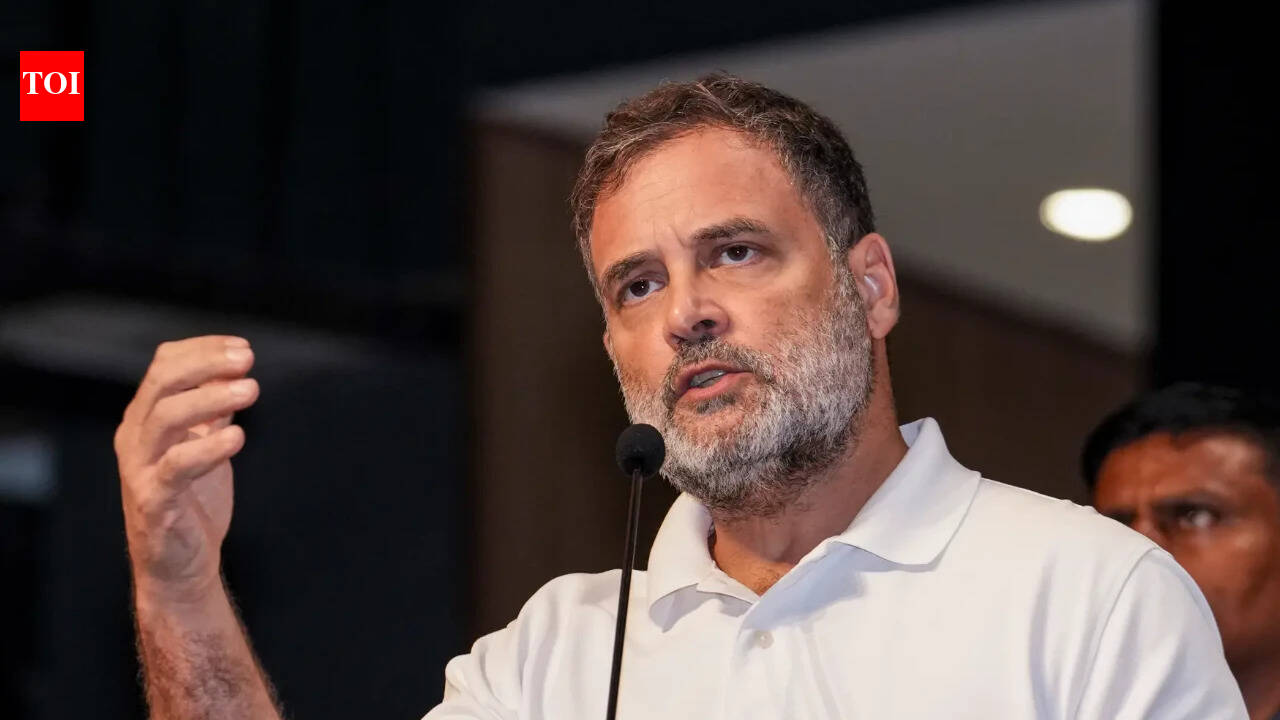
Rahul Gandhi has publicly voiced support for Gen Z protests, emphasizing the need to end the systemic victim-blaming of women. His statement highlights a growing political discourse surrounding the safety and societal treatment of women in India.
Addressing Systemic Victim-Blaming
Rahul Gandhi’s recent public statement, issued via his official X account, marks a significant intervention in the ongoing national discourse regarding gender justice. By declaring that society must "stop punishing women for the crimes committed against them," Gandhi has directly challenged the culture of victim-blaming that often permeates legal and social responses to gender-based violence. This rhetoric aligns with a broader push by younger generations—specifically Gen Z activists—to dismantle patriarchal structures that shift the burden of safety onto victims rather than the perpetrators.
The Intersection of Youth Activism and Politics
The alignment between Gandhi’s messaging and Gen Z protests suggests a strategic shift in political engagement. Younger demographics in India are increasingly leveraging digital platforms and physical protests to demand accountability for systemic failures in women's safety. By positioning himself as an ally to these movements, Gandhi is attempting to bridge the gap between traditional political opposition and grassroots youth activism, signaling that the issue of gender-based violence has moved to the center of the current political agenda.
Historical Context and Societal Norms
Historically, discussions surrounding crimes against women in India have often been mired in victim-centric scrutiny, where survivors are frequently questioned about their clothing, movements, or character. Gandhi’s assertion is a direct critique of this historical paradigm. By reframing the narrative, he is advocating for a shift toward institutional accountability, where the state and law enforcement are tasked with ensuring safety rather than policing the behavior of women.
Broader Implications for Policy
This rhetoric carries profound implications for future policy debates. If political leaders continue to frame violence against women as a systemic failure rather than an individual misfortune, it could lead to increased pressure for legislative reforms regarding witness protection, victim support services, and more robust investigative protocols. The political cost of ignoring these demands is rising as Gen Z voters demonstrate a higher propensity for holding leaders accountable for social progress.
Future Trends and Conclusion
Looking forward, we can expect the discourse on women's safety to remain a contentious focal point in Indian elections. As digital activism continues to mobilize large groups, political figures will be forced to move beyond rhetoric toward tangible policy frameworks that address the root causes of violence. Gandhi’s stance serves as a litmus test for how mainstream political parties will adapt to the progressive social demands of the younger generation, setting the stage for a more intense debate on gender equity in the coming years.