Why Congress is keen on retaining Amrinder Raja Warring as Punjab unit chief
Source Entity
Asad Rehman
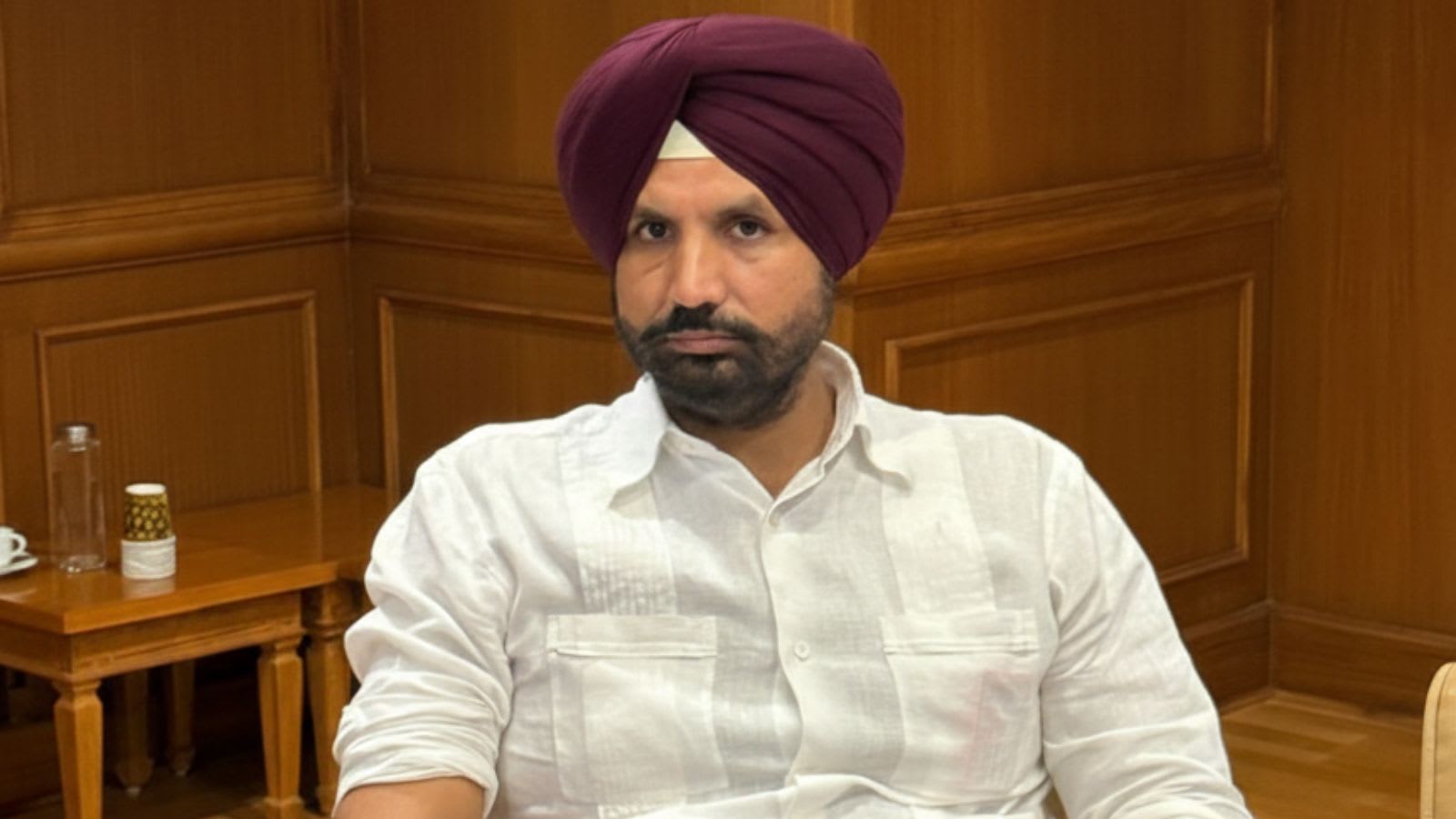
The Congress party high command has decided to maintain the status quo in Punjab by retaining Amrinder Raja Warring as the state unit chief, despite persistent internal infighting and leadership challenges within the Punjab Pradesh Congress Committee.
Stability Amidst Strife: The Retention of Amrinder Raja Warring
The Punjab unit of the Indian National Congress is currently navigating a precarious period characterized by internal fragmentation and leadership disputes. Despite these challenges, the party's central leadership has signaled a clear preference for stability over disruption by deciding to retain Amrinder Raja Warring as the Punjab unit chief. This decision comes at a time when the party is struggling to regain its footing in a state where the political landscape has shifted dramatically in recent years.
The Logic of Status Quo
The decision to maintain the status quo suggests that the Congress high command views a leadership change at this juncture as a potential catalyst for further chaos. In political organizational structures, replacing a chief during a period of active infighting often empowers rival factions, leading to a cycle of instability where new leaders are immediately challenged by disgruntled members. By sticking with Raja Warring, the central leadership is attempting to provide a consistent point of authority, hoping that continuity will eventually dampen the internal friction and allow the party to focus on external electoral challenges.
Navigating Internal Factionalism
Infighting within the Punjab Congress is not a new phenomenon, but it has become a critical hurdle in the party's attempts to reorganize. The friction often stems from divergent views on strategy, the legacy of previous leadership, and the distribution of power among state veterans. The fact that the high command is keen on retaining Warring indicates that they see him as a figure who can either bridge these divides or, at the very least, maintain a baseline of operational functionality. The challenge remains whether his continued tenure will be seen as a sign of strength or as a refusal to address the root causes of the party's internal discord.
Broader Political Implications for Punjab
From a strategic perspective, the retention of the current leadership is a gamble on the party's ability to consolidate its base. In Punjab, where the political vacuum left by previous shifts has been filled by other players, the Congress cannot afford a prolonged period of public instability. A divided party is an easy target for opponents; therefore, the high command's insistence on Warring's leadership is likely a defensive maneuver intended to present a unified front to the electorate, even if that unity is fragile and manufactured from the top down.
Future Trends and Electoral Outlook
Looking ahead, the success of this decision will depend on whether Raja Warring can translate the high command's confidence into grassroots support. If the infighting persists or escalates, the "status quo" strategy may eventually be viewed as stagnation. However, if Warring can successfully neutralize the opposing factions and revitalize the state unit, this period of stability could serve as the foundation for a comeback. The coming months will be crucial in determining if the party can transition from mere survival to active political competition in the state.
Conclusion
In summary, the Congress party's decision to retain Amrinder Raja Warring as the Punjab unit chief is a calculated move to avoid the volatility that typically accompanies leadership transitions during internal crises. While it addresses the immediate need for a steady hand, it does not inherently solve the deep-seated factionalism within the Punjab unit. The party's future in the state now rests on the ability of its leadership to turn this mandated stability into genuine organizational cohesion.