Parliamentary panel defers final meeting on higher education Bill amid Andhra Pradesh’s objections
Source Entity
India Latest News: Top National Headlines Today & Breaking News | The Hindu
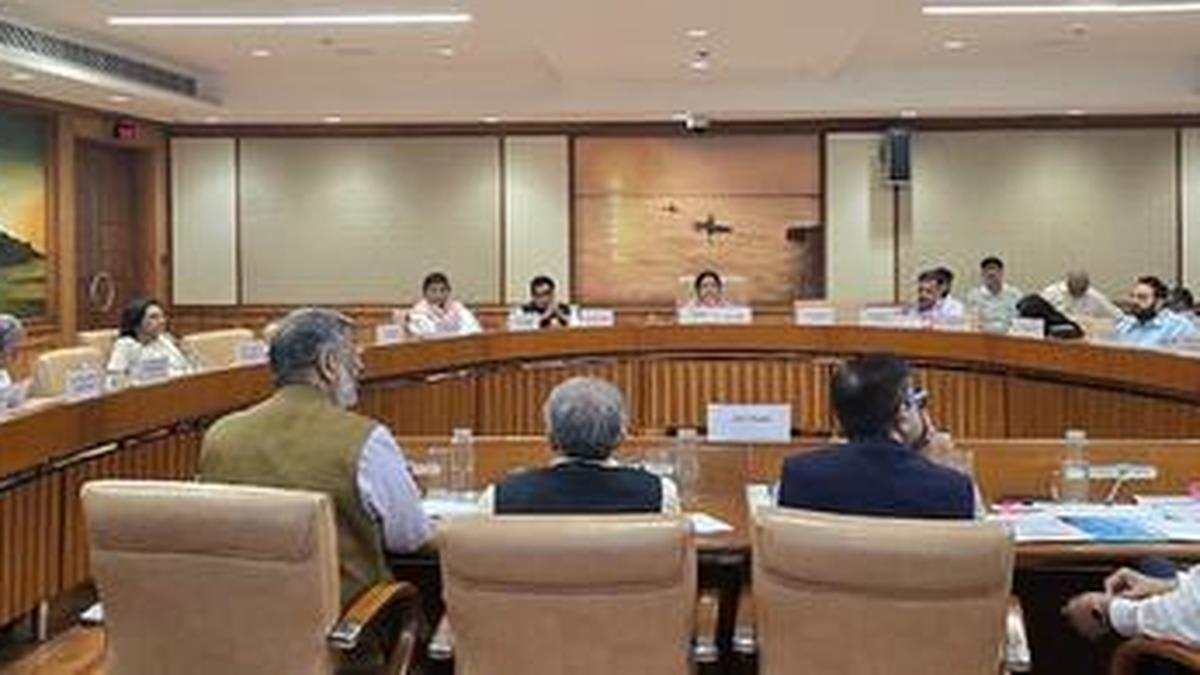
The Parliamentary panel has deferred its final meeting regarding the Viksit Bharat Shiksha Adhishthan Bill, 2025, following objections raised by the state of Andhra Pradesh. Union Education Minister Dharmendra Pradhan has engaged in informal discussions with panel members to address these concerns and find a resolution.
Legislative Stalemate: The Viksit Bharat Shiksha Adhishthan Bill, 2025
The Indian government's ambitious push to overhaul the higher education landscape has hit a procedural roadblock. The Parliamentary panel tasked with reviewing the Viksit Bharat Shiksha Adhishthan Bill, 2025, has deferred its final meeting, signaling a period of critical negotiation and deliberation. This delay is primarily attributed to strong objections raised by the state of Andhra Pradesh, highlighting the inherent tension between central legislative ambitions and state-level autonomy within India's federal structure.
The Core of the Controversy: Federalism and Education
The objections from Andhra Pradesh underscore a recurring theme in Indian governance: the division of power over education. While the Union government seeks to standardize higher education to achieve the "Viksit Bharat" (Developed India) goals, states often view such centralized bills as infringements on their constitutional rights. Andhra Pradesh's resistance likely stems from concerns over how the Bill might affect state-funded universities, regional curriculum requirements, or the financial burden of implementing new central mandates. This friction demonstrates that any sweeping reform in higher education must balance national uniformity with regional diversity to be sustainable.
The Role of the Parliamentary Panel and Ministerial Intervention
The intervention of Union Education Minister Dharmendra Pradhan through an informal meeting suggests that the government is attempting a "soft" approach to resolve the deadlock. By meeting informally, the Minister can gauge the specific grievances of the panel members and state representatives without the rigidity of a formal session. This tactical move is designed to identify "deal-breakers" in the Bill's current draft, allowing for potential amendments that could appease dissenting states while keeping the core objectives of the legislation intact.
Contextualizing the Viksit Bharat Vision
The "Viksit Bharat Shiksha Adhishthan Bill, 2025" is not an isolated piece of legislation but a continuation of the broader goals set forth in the National Education Policy (NEP) 2020. The overarching objective is to transition Indian higher education from a traditional degree-based system to a more flexible, multidisciplinary, and skill-oriented framework. By creating a legal foundation for these changes, the government aims to make Indian universities globally competitive. However, the success of such a vision depends entirely on the cooperation of the states, as they are the primary executors of educational policy on the ground.
Implications for Higher Education Reform
If the deadlock persists, it could set a precedent for other states to voice similar objections, potentially delaying the Bill's passage further and creating a fragmented educational landscape. Conversely, if a compromise is reached, it could serve as a model for cooperative federalism in education. The outcome will determine whether the transition to the 2025 framework will be a top-down mandate or a collaborative evolution. The focus will likely shift toward creating a more nuanced framework that allows states a degree of flexibility in implementation while maintaining national standards.
Future Outlook and Conclusion
Looking forward, the government is likely to introduce specific clauses or safeguards to address the concerns of Andhra Pradesh and other hesitant states. The deferred meeting is not necessarily a sign of failure but a necessary pause for calibration. Once the Parliamentary panel reaches a consensus, the Bill will likely move toward a vote in Parliament. Ultimately, the resolution of this conflict will be a litmus test for the Union government's ability to align diverse state interests with a unified national vision for higher education, ensuring that the path toward a 'Developed India' is inclusive of all regional stakeholders.
Verification Required?