Joe Biden’s memoir ‘Promise Me, America’ to hit shelves after US midterms amid Democratic unease
Source Entity
Aishwarya
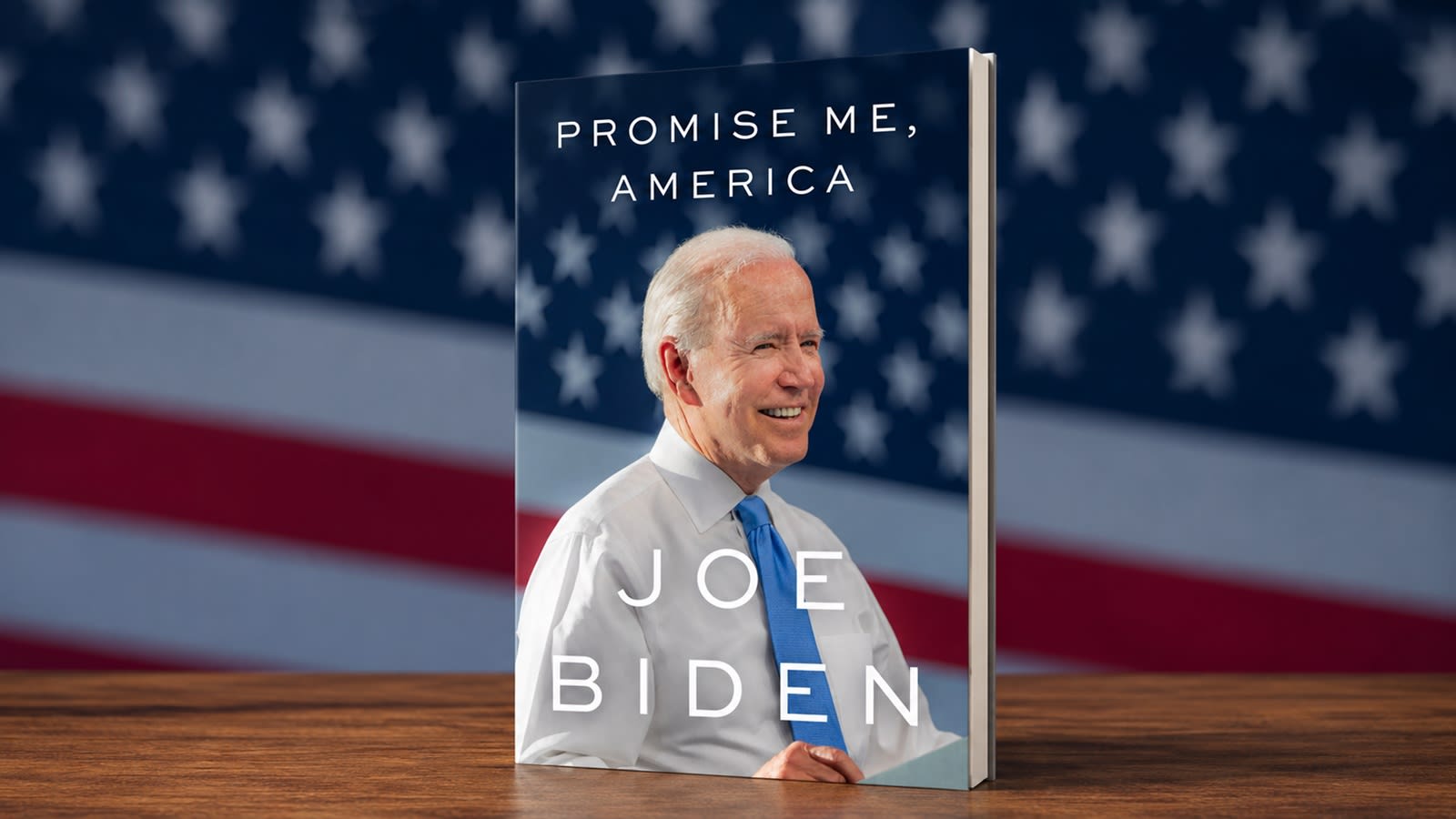
Former President Joe Biden is scheduled to release his memoir, 'Promise Me, America', on November 17 through Little, Brown and Company. The release follows the US midterms and has reportedly caused some unease within the Democratic party.
Analysis of the Release of 'Promise Me, America'
The announcement that former President Joe Biden will release his memoir, titled Promise Me, America, on November 17 marks a significant moment in the curation of his political legacy. Published by the prestigious Little, Brown and Company, the book is positioned to enter the public discourse immediately following the volatility of the US midterm elections. This timing suggests a calculated effort to provide a reflective narrative once the immediate electoral dust has settled, allowing the author to frame his tenure and vision without the direct interference of active campaign cycles.
Strategic Timing and Electoral Context
The decision to schedule the release for November 17, specifically after the midterms, is a classic political maneuver. In the United States, the period surrounding midterm elections is characterized by extreme polarization and high-stakes messaging. By delaying the release until after the votes are cast, the publication avoids the risk of being perceived as an attempt to influence the election or as a distraction from campaign priorities. Furthermore, it allows the memoir to serve as a 'post-mortem' or a guiding light for the party, depending on the election results, providing a narrative bridge to the next political cycle.
The Tradition of the Presidential Memoir
Political memoirs in the US serve as more than just personal recollections; they are essential tools for historical legacy management. From the detailed accounts of Bill Clinton to the reflective prose of Barack Obama, leaders use these volumes to explain the 'why' behind controversial decisions and to humanize their administration. For Biden, Promise Me, America likely aims to synthesize his decades of public service with the specific challenges faced during his presidency, attempting to solidify a version of history that emphasizes resilience and commitment to democratic norms.
Analyzing 'Democratic Unease'
The reported 'unease' within the Democratic party highlights the internal tensions that often accompany the release of a high-profile political autobiography. Such books can inadvertently create friction if they deviate from the party's current unified messaging or if they offer candid insights into internal disagreements that some members would prefer to keep private. The anxiety likely stems from the fear that a candid reflection on the administration's hurdles might be weaponized by political opponents or alienate specific factions within the Democratic coalition during a sensitive transition period.
Publishing Prestige and Market Reach
Partnering with Little, Brown and Company indicates that the memoir is intended for a broad, mainstream audience while maintaining academic and literary credibility. The publisher's reputation for handling high-profile non-fiction suggests that the book will be heavily marketed as a definitive account of leadership. The scope of the book, which covers a wide array of topics, will likely be scrutinized by historians and political analysts to see how Biden reconciles his personal promises to the American electorate with the practical realities of governing a divided nation.
Future Implications and Historical Impact
Looking forward, Promise Me, America is poised to become a primary source for future scholars of American politics. Its release will likely trigger a wave of critical reviews and rebuttals from political adversaries, ensuring that Biden's narrative remains at the center of the national conversation for months. As the political landscape continues to shift, the memoir will serve as a benchmark for how the Biden era is remembered, potentially influencing the trajectory of future Democratic candidates who seek to build upon or pivot away from his specific brand of governance.
Conclusion
In summary, the release of Promise Me, America is a strategic act of legacy-building. While the timing avoids the immediate chaos of the midterms, the underlying tension within the Democratic party underscores the risks inherent in public self-reflection. By leveraging a top-tier publisher and a post-election window, Biden is attempting to control his historical narrative, transforming his political experience into a lasting literary record.