US Senator blasts AG pick for ‘dismantling’ crypto unit, Trump’s CZ pardon
Source Entity
Cointelegraph by Turner Wright
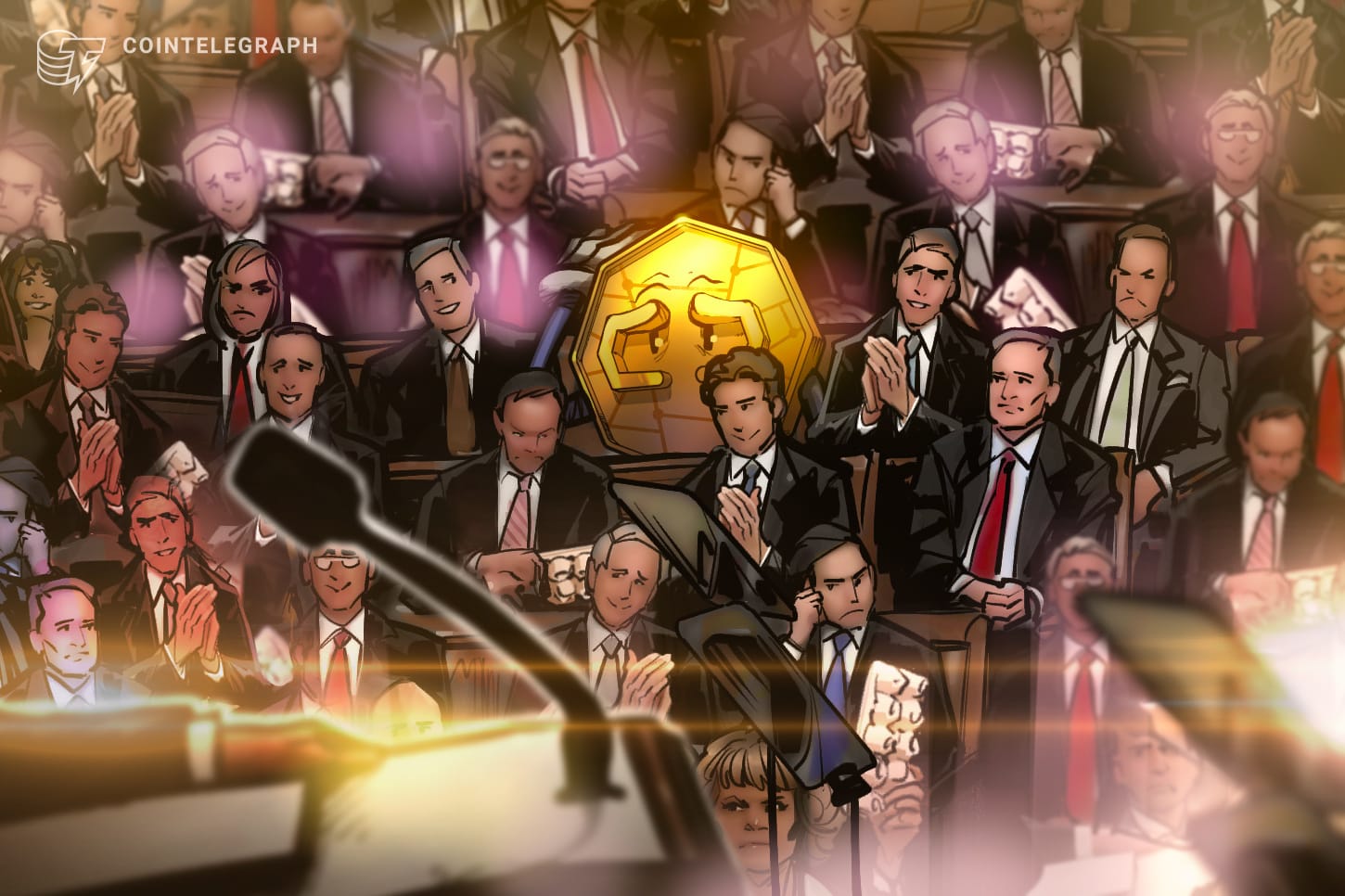
During a Senate Judiciary Committee hearing, US Senators criticized President Trump's Attorney General nominee over the decision to dismantle a specialized cryptocurrency enforcement unit and the granting of a pardon to former Binance CEO Changpeng Zhao.
Regulatory Friction: The Senate Clash Over Crypto Enforcement
The confirmation process for President Donald Trump’s Attorney General nominee has become a focal point for the ongoing debate over the United States' approach to digital assets. During a recent Senate Judiciary Committee hearing, the nominee faced sharp criticism from senators regarding two highly contentious issues: the dismantling of a specialized cryptocurrency enforcement unit within the Department of Justice (DOJ) and the pardon of former Binance CEO Changpeng Zhao (CZ). This confrontation highlights a fundamental ideological divide between those who advocate for strict regulatory oversight to prevent financial crime and those who believe that aggressive enforcement stifles technological innovation.
The Dismantling of the Crypto Enforcement Unit
One of the primary points of contention is the reported dismantling of the DOJ's specialized crypto unit. For several years, these specialized teams were tasked with tracking sophisticated blockchain-based fraud, money laundering, and ransomware attacks. By dissolving or significantly scaling back these units, the administration signals a pivot away from the "regulation by enforcement" era that characterized much of the previous few years. However, critics in the Senate argue that removing these expert resources creates a dangerous vacuum. Without a dedicated unit to monitor the complexities of decentralized finance (DeFi) and smart contract vulnerabilities, the US may become more susceptible to systemic financial risks and large-scale digital heists.
The Implications of the CZ Pardon
Equally provocative is the pardon of Changpeng Zhao, the founder and former CEO of Binance, the world's largest cryptocurrency exchange. Zhao's legal troubles were centered on failures to implement effective Anti-Money Laundering (AML) and Know Your Customer (KYC) protocols, which allegedly allowed illicit actors to move funds through the platform. The decision to pardon Zhao is viewed by some as a strategic move to align the US government with the crypto industry's leadership, potentially positioning the US as a global "crypto hub." Conversely, senators argue that this move undermines the rule of law, suggesting that the architects of the industry are "too big to jail," regardless of the regulatory breaches they commit.
A Paradigm Shift in Financial Governance
This clash reflects a broader shift in the American political landscape regarding financial governance. Under the previous administration and the current leadership of the SEC, the approach was largely adversarial, focusing on classifying most tokens as securities to bring them under existing strict laws. The current administration's approach—exemplified by the AG pick's stance—appears to favor a more permissive environment. This shift is intended to attract capital and talent back to US shores, preventing a "brain drain" to jurisdictions like Dubai or Singapore. However, the tension in the Senate suggests that this transition will not be seamless, as lawmakers worry about the balance between growth and consumer protection.
Future Trends and Market Reactions
Looking forward, the outcome of these confirmation hearings and the subsequent policy implementation will likely dictate the volatility of the crypto market. If the administration successfully reduces enforcement pressure, we may see an influx of institutional capital and a surge in the development of new blockchain applications. However, if the lack of oversight leads to another high-profile collapse similar to FTX, the political pendulum could swing back toward extreme regulation. The current friction in the Senate is a precursor to a larger battle over whether the US will adopt a "light-touch" regulatory framework or maintain a rigorous policing stance to ensure market integrity.
Summary
The criticism leveled at the AG nominee underscores a critical juncture in US policy. The intersection of the CZ pardon and the dismantling of crypto-specific enforcement units suggests a bold, pro-industry strategy by the Trump administration. While this may foster innovation and market growth, it risks alienating regulators and lawmakers who view strict enforcement as the only way to prevent the digital asset space from becoming a haven for illicit financial activity.