As Sonam Wangchuk hangs on to hunger strike, weight loss approaches 9 kg
Source Entity
India Latest News: Top National Headlines Today & Breaking News | The Hindu
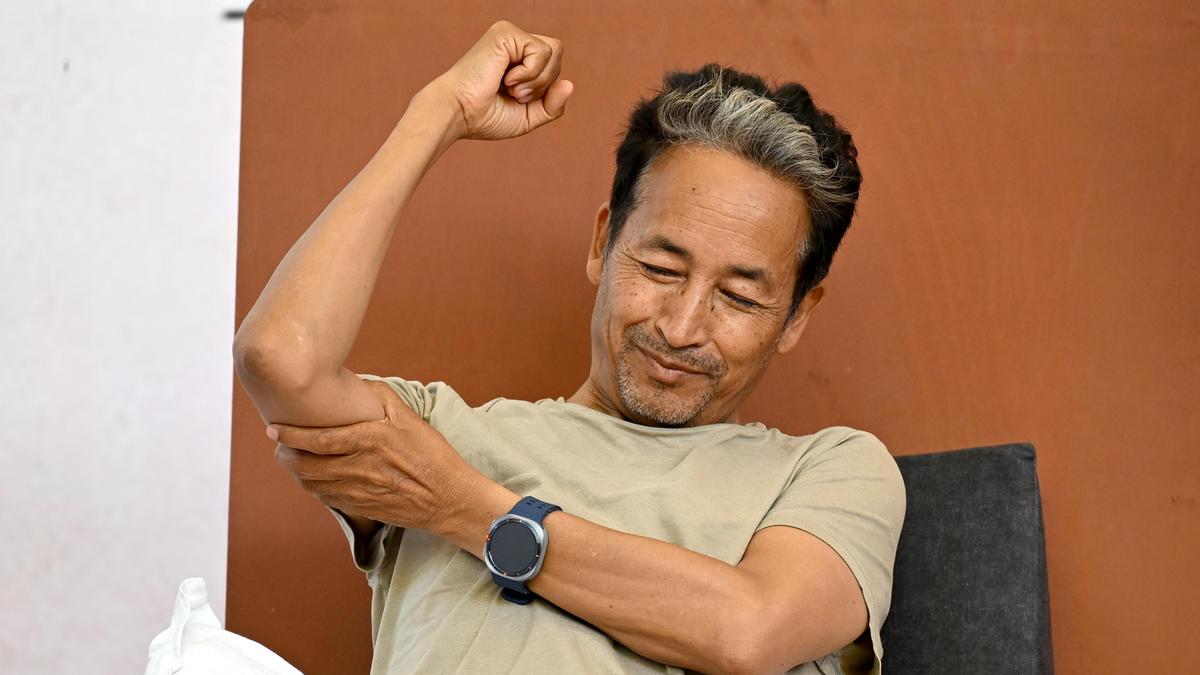
Activist Sonam Wangchuk has entered the 18th day of his hunger strike, demanding the resignation of Education Minister Dharmendra Pradhan. With a weight loss of nearly 9 kg and worsening vital signs, the protest highlights escalating tensions over educational and regional grievances.
The Escalating Crisis: Sonam Wangchuk's Hunger Strike
Sonam Wangchuk, a globally recognized innovator and activist from Ladakh, has reached a critical juncture in his ongoing protest. As of the 18th day of his hunger strike, the physical toll on his body has become alarming, with reports indicating a weight loss of nearly 9 kilograms. The deterioration of his vital signs suggests that the protest is moving from a symbolic gesture of dissent to a high-risk medical emergency, placing immense pressure on both the government and the public to address his grievances.
The Core Demand and Political Friction
At the heart of this fast is a specific and provocative demand: the resignation of Education Minister Dharmendra Pradhan. While Wangchuk is widely known for his advocacy regarding the environmental fragility and political autonomy of Ladakh, targeting the Education Minister suggests a deep-seated dissatisfaction with the current educational policies or their implementation in remote regions. By demanding a resignation, Wangchuk is not merely asking for policy changes but is calling for political accountability at the highest level, framing the issue as a failure of leadership within the Ministry of Education.
Regional Context: The Struggle for Ladakh
To understand the gravity of this strike, one must look at the broader context of Ladakh's relationship with the central government. For years, Wangchuk and other local leaders have campaigned for the inclusion of Ladakh under the Sixth Schedule of the Indian Constitution, which would provide tribal areas with greater autonomy to protect their land and culture. The focus on the Education Minister likely stems from the intersection of educational access and regional identity, as the people of Ladakh seek a system that respects their unique linguistic and cultural heritage while providing modern opportunities.
The Legacy of Satyagraha in Modern India
Wangchuk's choice of a hunger strike is a deliberate invocation of Satyagraha, the non-violent resistance philosophy popularized by Mahatma Gandhi. In the Indian political landscape, the hunger strike remains one of the most potent tools for marginalized voices to capture national attention. By putting his own life at risk, Wangchuk is attempting to create a moral crisis for the government, forcing the administration to choose between negotiating with a respected public figure or risking the tragic outcome of a high-profile death during a peaceful protest.
Medical Implications and Public Pressure
From a physiological standpoint, a weight loss of 9 kg over 18 days is severe and indicates a state of advanced ketosis and muscle wasting. The report that his vital signs are worsening suggests that his organs may be under significant stress. This medical volatility serves to amplify the urgency of the situation; as the public becomes aware of his failing health, the narrative shifts from a political debate to a humanitarian concern, which often accelerates government response times to avoid a public relations disaster.
Future Outlook and Potential Resolutions
Looking forward, the resolution of this standoff likely follows one of three paths. First, the government may initiate a high-level dialogue to appease Wangchuk, offering concessions on educational or regional autonomy in exchange for him breaking his fast. Second, the government may maintain its current stance, risking a further decline in Wangchuk's health and a subsequent surge in regional unrest. Third, medical intervention may be forced if his vitals reach a critical failure point. Given Wangchuk's influence, a negotiated settlement is the most probable outcome to prevent widespread instability in the strategically sensitive Ladakh region.
Conclusion
Sonam Wangchuk's hunger strike is a stark reminder of the friction between central governance and regional aspirations in India. The physical decline of the activist serves as a visceral manifestation of the perceived neglect of Ladakh. Whether this protest leads to the resignation of a minister or a broader policy shift, it has successfully centered the conversation on the necessity of inclusive governance and the protection of indigenous rights in the Himalayan borderlands.
Verification Required?