Trump blasts New York AI data center ban, says state should change policy 'immediately'
Source Entity
US Top News and Analysis
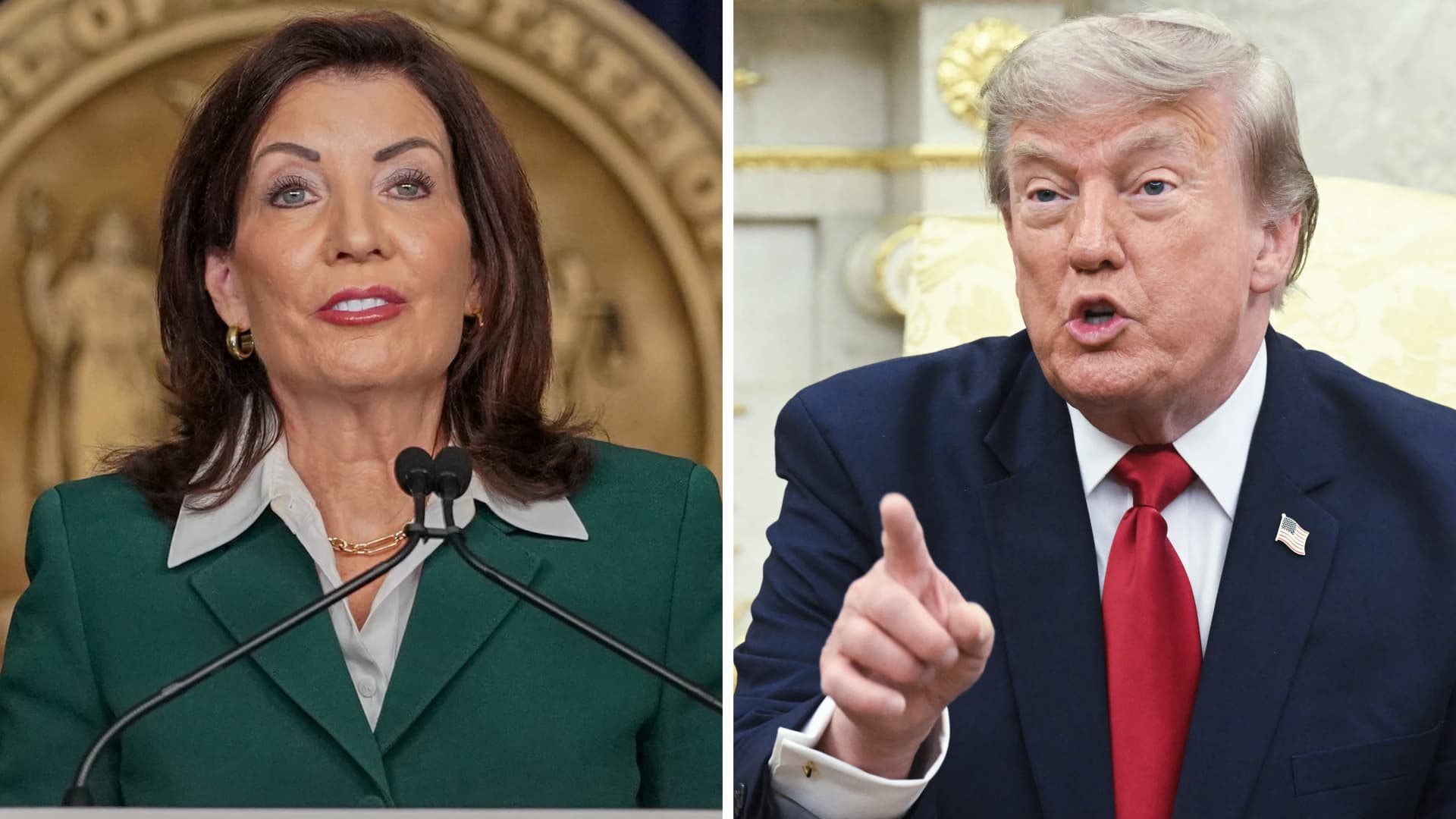
Donald Trump has strongly condemned a first-of-its-kind executive order in New York that bans AI data centers, demanding that the state reverse the policy immediately to avoid hindering technological progress.
Political Clash Over AI Infrastructure: Trump vs. New York
In a significant escalation of the tension between federal political figures and state-level governance, Donald Trump has launched a scathing critique of New York's recent decision to ban AI data centers. The move, enacted via a gubernatorial executive order, marks the first time a U.S. state has taken such a drastic regulatory stance against the physical infrastructure required to power artificial intelligence. Trump's demand that the state change its policy "immediately" underscores a fundamental ideological divide regarding the balance between environmental regulation and the aggressive pursuit of technological hegemony.
The Regulatory Friction: Why New York Banned Data Centers
While the provided text focuses on the political reaction, the underlying cause of such a ban typically stems from the immense resource demands of AI. Data centers are notorious for their massive electricity consumption and high water usage for cooling systems, often straining local grids and competing with residential needs. By implementing this ban, New York is likely attempting to prioritize sustainable energy goals or prevent the destabilization of its power infrastructure. However, by becoming the first state to do so, New York has positioned itself as a regulatory pioneer, potentially creating a blueprint for other states concerned with the environmental footprint of the AI boom.
Trump's Economic Doctrine and Tech Supremacy
Donald Trump's opposition to the ban is rooted in a broader economic philosophy that favors deregulation and the rapid expansion of industrial capacity. From his perspective, restricting the growth of AI data centers is not merely a local zoning or environmental issue, but a strategic error that could cede the AI race to global competitors, specifically China. By calling for an immediate reversal, Trump is framing the ban as an act of economic self-sabotage that discourages investment and stifles innovation within one of the world's most important financial and technological hubs.
Implications for the Tech Industry and Capital Flight
This policy shift creates a precarious environment for tech giants and venture capitalists. The AI industry relies on the availability of massive compute power, which requires the very data centers New York has now prohibited. There is a significant risk of "capital flight," where companies that were planning to expand in New York may instead pivot to states with more permissive environments, such as Texas or Virginia. This shift could lead to a loss of high-paying jobs and a decrease in the tax revenue that New York depends on, further fueling the arguments made by Trump and other critics of the ban.
The Broader Political Narrative
Beyond the technicalities of AI, this clash is a manifestation of the ongoing power struggle between state executive orders and national political ambitions. The use of an executive order by the governor allows for rapid implementation but also makes the policy a lightning rod for political attacks. Trump's intervention transforms a state regulatory decision into a national talking point, highlighting the friction between the "Green State" policies of New York's leadership and the "America First" industrialist approach. This dynamic suggests that AI infrastructure will become a key battleground in future political campaigns, blending energy policy with national security.
Conclusion: A Precarious Path Forward
As New York navigates the fallout of this ban, the state finds itself at a crossroads between environmental stewardship and economic competitiveness. The immediate pressure from high-profile political figures like Donald Trump ensures that this policy will remain under intense scrutiny. Whether the state maintains its stance or pivots toward a compromise, the outcome will likely set a precedent for how the United States manages the physical requirements of the AI revolution at the state level.