SIR in Delhi: Deadlines extended only 15 per cent forms digitised so far
Source Entity
Devansh Mittal
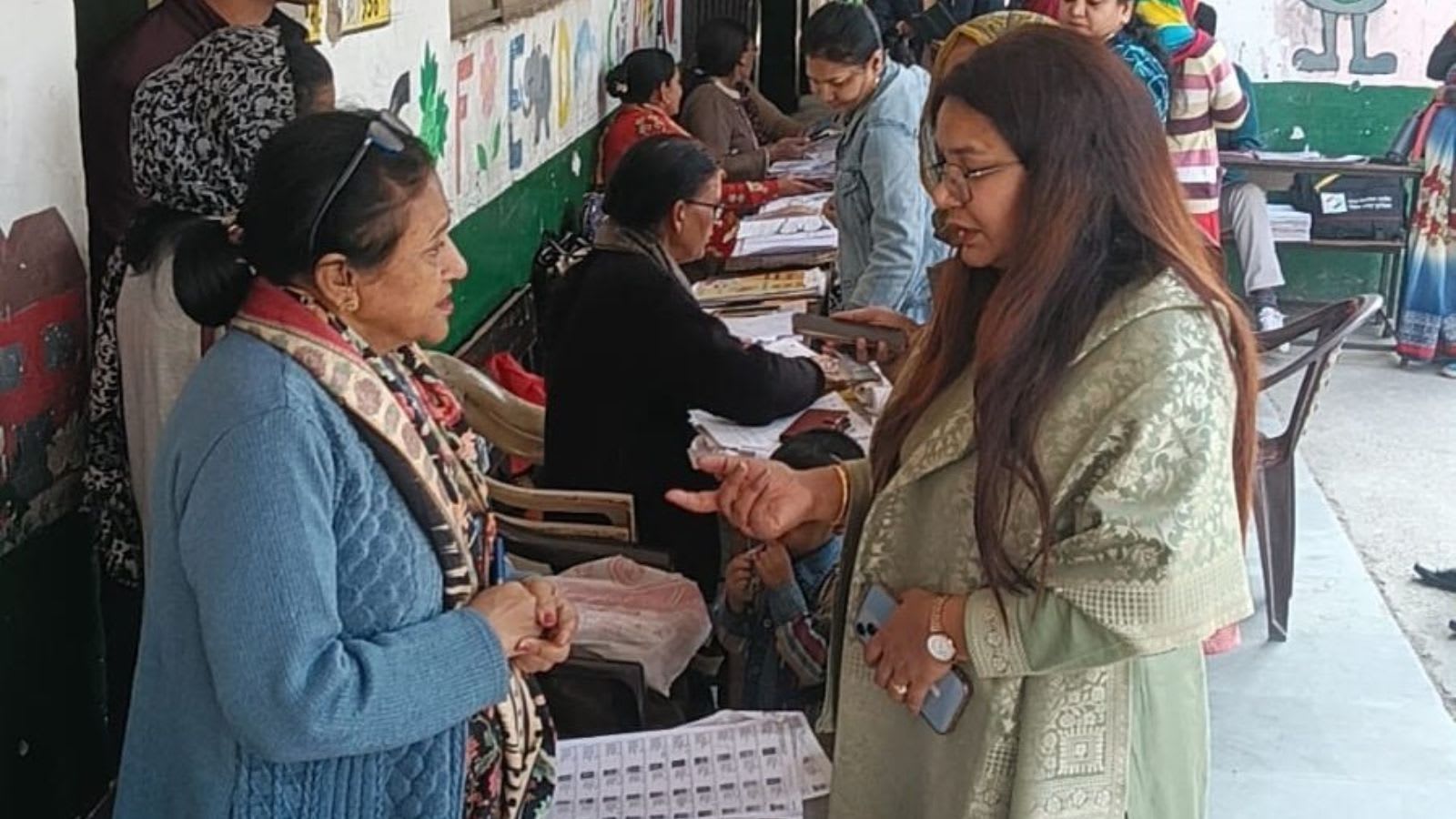
The Election Commission of India has extended the deadline for the publication of draft electoral rolls in Delhi to August 17, following reports that only 15% of the forms for the Special Intensive Revision (SIR) have been digitized.
Delay in Delhi's Electoral Roll Digitization: An Analytical Overview
The Election Commission of India (ECI) has announced a critical extension for the publication of draft electoral rolls in Delhi, moving the deadline from August 5 to August 17. This decision comes in response to a significant lag in the Special Intensive Revision (SIR) process, specifically regarding the digitization of voter forms. With only 15% of the required forms digitized, the ECI has been forced to recalibrate its timeline to ensure the integrity and accuracy of the voter list.
The Digitization Bottleneck and Administrative Hurdles
The revelation that only 15% of forms have been digitized highlights a severe operational bottleneck. The Special Intensive Revision is not a mere routine update; it is a comprehensive effort to scrub the rolls of deceased voters, remove duplicates, and incorporate new eligible citizens. The slow pace of digitization suggests either a shortage of technical manpower or inefficiencies in the data-entry pipeline. In a metropolis as densely populated and transient as Delhi, the volume of paperwork generated during an 'intensive' revision is staggering, and the gap between physical collection and digital processing represents a significant vulnerability in the administrative chain.
Implications for Democratic Legitimacy
Accurate electoral rolls are the bedrock of any democratic exercise. Any rush to meet a deadline without proper verification can lead to two primary failures: voter disenfranchisement (where eligible voters are missing) and the persistence of 'ghost voters' (where deceased or relocated individuals remain on the list). By extending the deadline to August 17, the ECI is prioritizing accuracy over speed. This is a necessary move, as flawed rolls often lead to legal challenges and disputes on polling day, which can undermine the perceived legitimacy of election results.
The Challenge of Urban Electoral Management
Managing the electoral rolls of the national capital presents unique challenges compared to rural districts. Delhi's high migration rate and frequent changes in residential addresses make the SIR process particularly volatile. The 'intensive' nature of this revision requires rigorous verification, which is time-consuming. The current delay underscores the difficulty of scaling manual verification processes into a digital format in real-time, reflecting a broader struggle within governance to bridge the gap between legacy bureaucratic methods and modern digital requirements.
Alignment with the 'Digital India' Trajectory
This incident occurs within the broader context of India's push toward complete digital governance. The ECI's reliance on digitization for electoral rolls is part of a larger strategy to make voter registration more transparent and accessible. However, the current struggle in Delhi serves as a cautionary tale: technology is only as effective as the infrastructure and personnel supporting it. The failure to meet the initial August 5 deadline suggests that the transition to digital rolls requires more robust contingency planning and perhaps a more decentralized approach to data entry to avoid such systemic delays.
Future Outlook and Expectations
Looking forward, the window between the current date and August 17 is narrow. To meet this new deadline, the ECI will likely need to deploy additional data-entry operators or implement streamlined verification protocols. If the digitization rate does not accelerate sharply, there is a risk of further extensions, which could potentially clash with other electoral schedules. The success of this extended timeline will be a litmus test for the ECI's ability to manage large-scale digital transitions under pressure.
Summary
The extension of the Delhi electoral roll deadline is a pragmatic response to a technical failure in digitization. While the delay is an administrative setback, it is a vital safeguard to ensure that the final rolls are comprehensive and error-free, thereby protecting the sanctity of the voting process in the national capital.