Order CBI probe in TVK MLA bribery case and other horse trading complaints, insists a PIL plea before Madras High Court
Source Entity
India Latest News: Top National Headlines Today & Breaking News | The Hindu
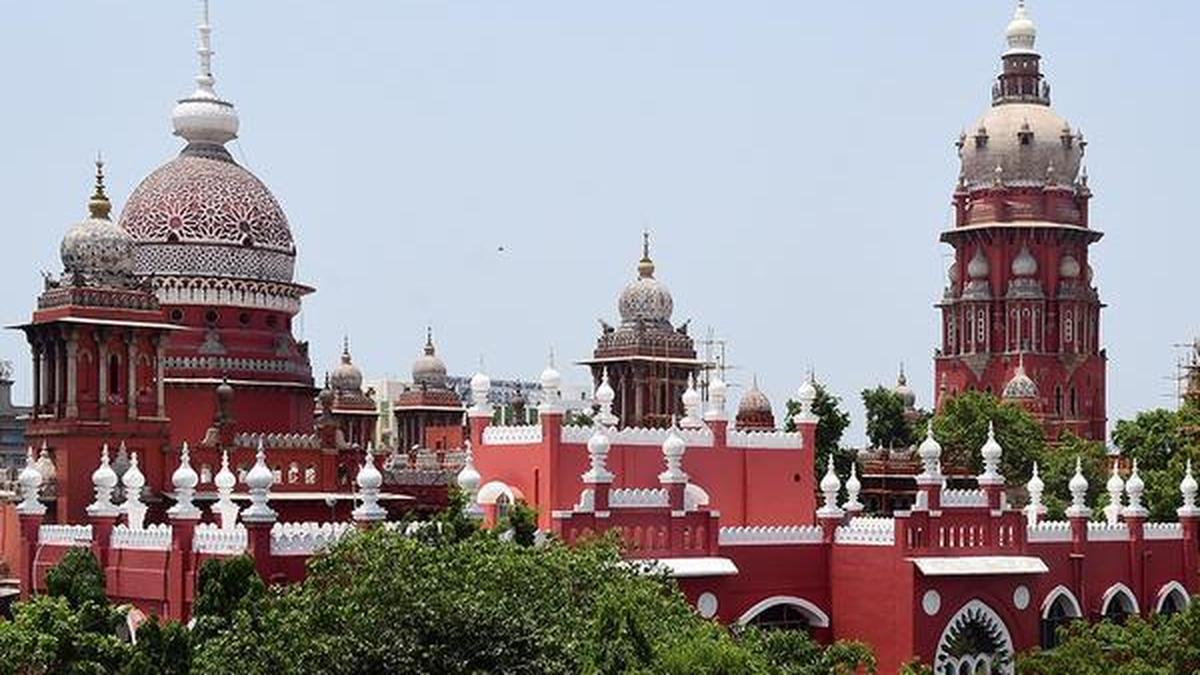
A Tiruppur-based lawyer has filed a Public Interest Litigation (PIL) in the Madras High Court seeking a CBI investigation into alleged bribery and horse trading involving TVK MLAs.
Legal Challenge Over Electoral Integrity: The TVK Bribery Allegations
The political landscape of Tamil Nadu is currently facing a significant legal challenge as a Tiruppur-based lawyer has approached the Madras High Court through a Public Interest Litigation (PIL). The petition explicitly demands a Central Bureau of Investigation (CBI) probe into allegations of bribery and 'horse trading' involving MLAs associated with the TVK. The case, which has been listed for hearing before Chief Justice Sushrut Arvind Dharmadhikari and Justice G. Arul Murugan, underscores a growing tension between political stability and the legal mandate for transparent governance.
The Core of the Controversy: Bribery and Horse Trading
At the heart of this PIL is the accusation of 'horse trading'—a colloquial term in Indian politics referring to the practice where legislators are induced, often through financial bribes or promises of power, to switch party affiliations or vote against their party's interests. In this specific instance, the petitioner alleges that bribery has played a role in the movements or actions of TVK MLAs. By requesting a CBI probe, the petitioner is signaling a lack of confidence in state-level investigative agencies, arguing that only a central agency can maintain the impartiality required to investigate high-ranking political figures without local executive interference.
The Significance of Judicial Intervention
The involvement of the Madras High Court, particularly under the scrutiny of the Chief Justice, adds a layer of gravity to the proceedings. When the judiciary is asked to intervene in matters of legislative conduct, it navigates a delicate balance between the separation of powers and the necessity of upholding the rule of law. The court's decision on whether to grant a CBI probe will set a critical precedent for how allegations of electoral malpractice are handled in the state. If the court finds merit in the PIL, it could lead to a wide-reaching investigation that might expose systemic vulnerabilities in the current political framework.
Broader Implications for Democratic Stability
This case reflects a broader, recurring theme in Indian democratic processes where the sanctity of the mandate is often questioned due to post-election shifts in loyalty. Horse trading not only undermines the will of the voters but also destabilizes the legislative process, often leading to government instability. By bringing these complaints to the High Court, the petitioner is attempting to shift the discourse from political maneuvering to legal accountability, asserting that bribery in the legislative sphere is a criminal offense that warrants the highest level of federal investigation.
Potential Future Trends and Legal Outcomes
Moving forward, the outcome of this hearing will likely dictate the political temperature in Tamil Nadu. If the CBI is brought in, it could lead to a period of intense political volatility as evidence is gathered and testimonies are recorded. Conversely, if the court dismisses the plea for lack of evidence, it may embolden political actors to continue such practices with perceived impunity. This case highlights a trend where legal practitioners are increasingly using PILs as a tool to enforce ethical standards within the political class, effectively turning the courtroom into a forum for electoral oversight.
Conclusion
The petition filed by the Tiruppur lawyer is more than a localized legal dispute; it is a challenge to the ethical conduct of elected representatives. As the Madras High Court deliberates on the request for a CBI probe, the case serves as a reminder of the fragile intersection between money, power, and the law in modern politics. The resolution of this matter will either reinforce the mechanisms of accountability or highlight the difficulties in policing the internal dealings of political parties.
Verification Required?