FCC to repeal 39% TV ownership cap in boost for Trump-friendly news orgs
Source Entity
Jon Brodkin
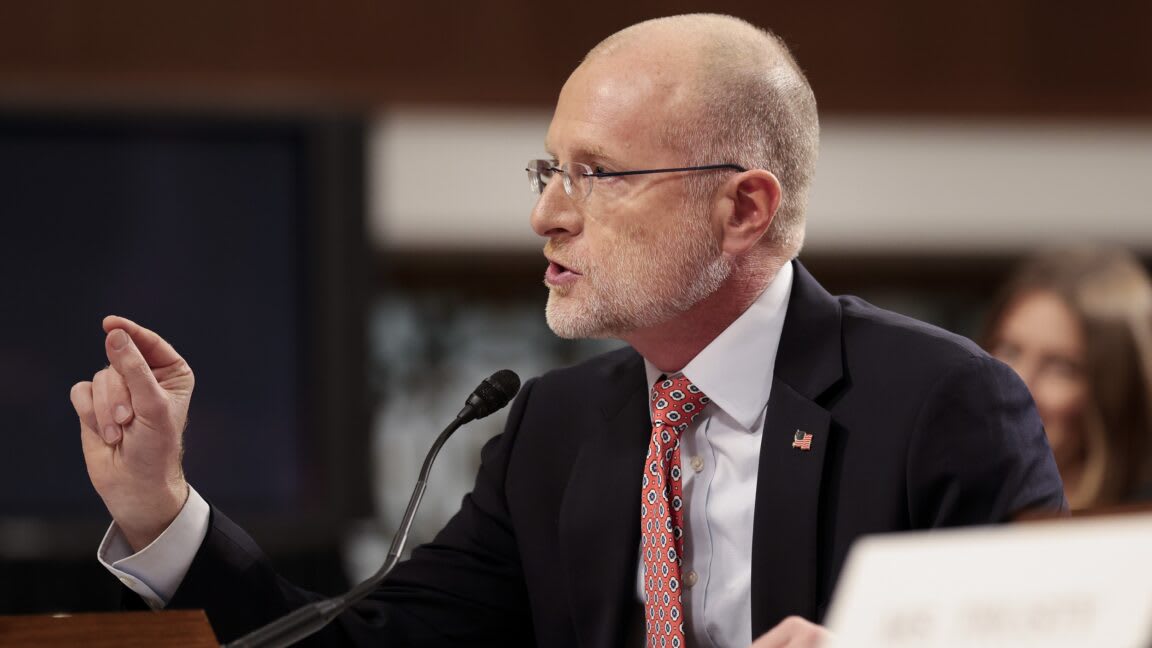
The FCC is moving to repeal the 39% national television ownership cap, with the FCC chairman asserting the authority to override limits previously set by Congress, a move expected to benefit Trump-aligned media organizations.
FCC Moves to Dismantle National TV Ownership Limits
In a move that signals a significant shift in the American media landscape, the Federal Communications Commission (FCC) is preparing to repeal the 39% national television ownership cap. This regulation has long served as a guardrail to prevent any single entity from controlling too large a share of the nation's broadcast television stations. The current push for repeal, led by the FCC chairman, suggests a strategic pivot toward deregulation that could fundamentally alter how news is disseminated and consumed across the United States.
The Legal Conflict: Agency Power vs. Congressional Mandate
At the heart of this development is a profound legal tension between the executive agency and the legislative branch. The 39% ownership limit was established by Congress to ensure a diversity of voices and prevent the monopolization of the airwaves. However, the FCC chairman is now claiming the regulatory power to repeal this limit. This assertion of authority challenges the traditional boundary of congressional oversight, suggesting that the FCC believes its administrative rulemaking capabilities can supersede statutory limits set by lawmakers. This clash is likely to trigger intense legal scrutiny and potential challenges in federal courts regarding the scope of agency power.
Implications for Media Consolidation
If the repeal proceeds, the immediate result will be an acceleration of media consolidation. For decades, the ownership cap forced media conglomerates to either sell off stations or operate through complex agreements to stay under the threshold. Removing this barrier allows large corporations to acquire vast networks of local stations, consolidating ownership and management under a single corporate umbrella. While proponents argue this creates efficiency and economic viability for local stations in a digital age, critics warn that it diminishes localism, as centralized corporate offices often replace local newsrooms with standardized, nationalized content.
Political Alignment and the "Trump-Friendly" Narrative
Central to this move is the perceived benefit to news organizations aligned with Donald Trump. By allowing a few large, ideologically aligned entities to own a dominant share of the national broadcast infrastructure, there is a significant potential for the centralization of political narratives. In a fragmented media environment, the ability to control a vast array of local affiliates allows for a more streamlined and potent delivery of specific political messaging. This could effectively create a powerful communication apparatus capable of shaping public opinion on a scale not seen since the early days of network television.
Historical Context of Media Deregulation
This push is not an isolated event but part of a broader historical trend toward deregulation in the communications sector. Since the Telecommunications Act of 1996, there has been a steady erosion of ownership limits across radio and television. Previous administrations have flirted with relaxing these rules to help traditional broadcasters compete with the rise of internet giants like Google and Meta. However, the current move is distinct in its direct challenge to a congressional limit and its explicit ties to political alignment, marking a shift from purely economic deregulation to strategically motivated regulatory changes.
Future Trends and the Erosion of Localism
Looking forward, the repeal of the 39% cap is likely to lead to a "homogenization" of local news. As ownership concentrates, the diversity of perspectives in local markets will likely shrink, replaced by syndicated content that mirrors the views of the parent company. We can expect a surge in mergers and acquisitions as media firms race to capture the newly available market share. Furthermore, this move may prompt Congress to attempt to pass new, more stringent legislation to reclaim its authority over the airwaves, leading to a protracted political battle over the future of the First Amendment and public interest obligations.
Conclusion
The FCC's attempt to repeal the national TV ownership cap represents more than just a regulatory change; it is a strategic realignment of media power. By challenging congressional limits to facilitate the growth of Trump-friendly media organizations, the FCC is steering the U.S. toward a more consolidated and politically charged broadcast environment. The outcome of this move will ultimately determine whether the American airwaves remain a diverse mosaic of local voices or become a centralized tool for national political influence.