Trump's DNI pick Jay Clayton won't tell senators Biden won the 2020 election
Source Entity
US Top News and Analysis
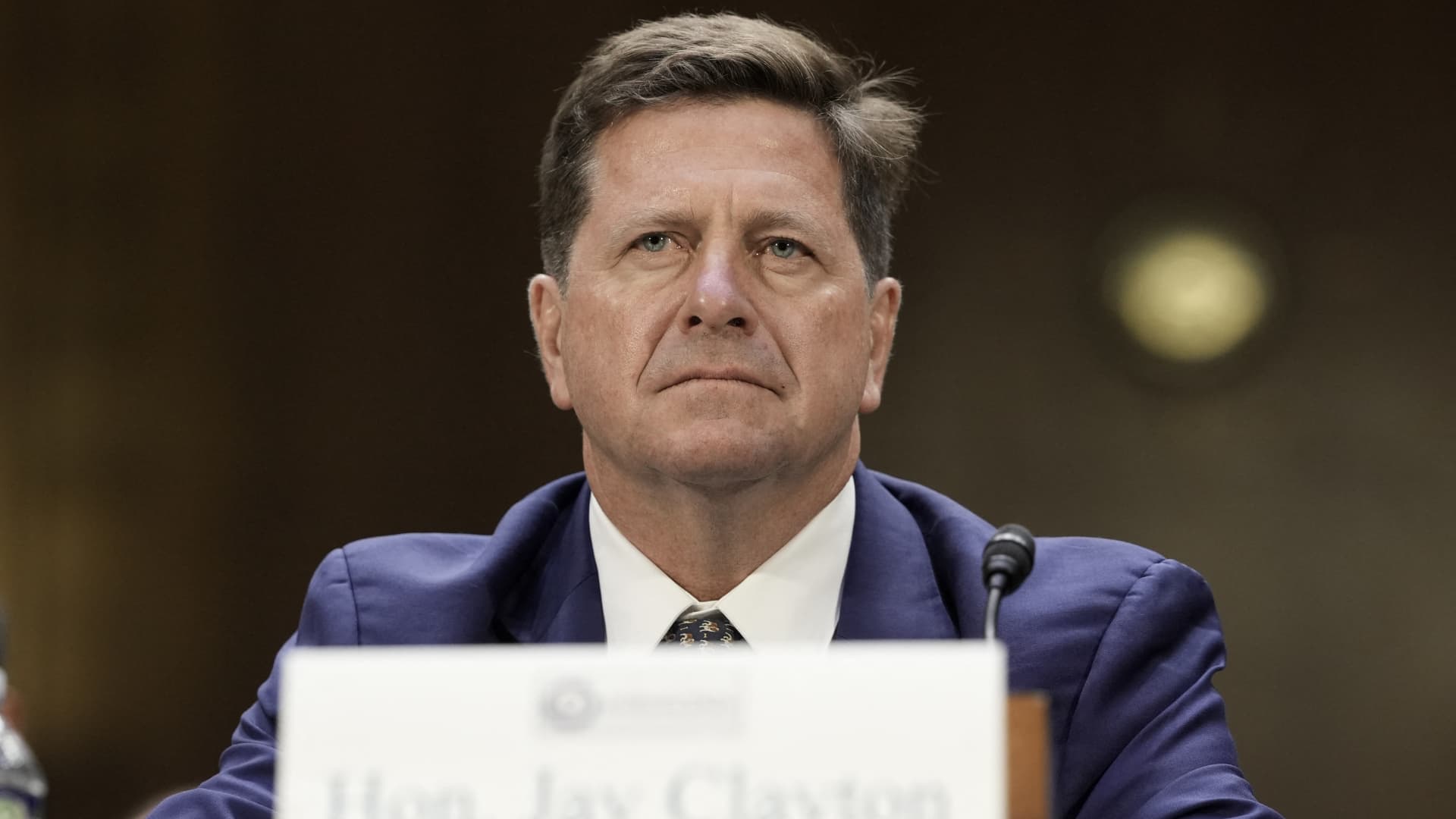
Jay Clayton, Donald Trump's nominee for Director of National Intelligence (DNI), is facing scrutiny from the Senate Intelligence Committee after refusing to acknowledge that Joe Biden won the 2020 presidential election.
The Intersection of Intelligence and Ideology: Jay Clayton's DNI Nomination
The nomination of Jay Clayton as the Director of National Intelligence (DNI) has become a flashpoint for political contention, centering on a fundamental question of democratic legitimacy. During his hearings before the Senate Intelligence Committee, Clayton’s refusal to explicitly acknowledge that Joe Biden won the 2020 presidential election has sparked a heated debate. This refusal is not merely a personal political stance but a critical point of scrutiny for a role that requires an unwavering commitment to factual accuracy and the unbiased synthesis of intelligence.
The Critical Mandate of the DNI
The Director of National Intelligence serves as the head of the U.S. Intelligence Community (IC), coordinating the efforts of 18 different agencies to provide the President with objective, timely, and accurate intelligence. The DNI is the primary conduit between the clandestine world of intelligence gathering and the executive branch's policy decisions. When a nominee refuses to acknowledge an event that the judiciary, state election officials, and the IC itself have verified as fact—such as the outcome of the 2020 election—it raises significant alarms regarding their ability to deliver "unvarnished" truth to the President, regardless of whether that truth is politically inconvenient.
Senate Scrutiny and the Legitimacy Gap
The Senate Intelligence Committee's focus on Clayton's stance reflects a broader institutional effort to safeguard the IC from politicization. The confirmation process is designed to vet not only the professional qualifications of a nominee—which, in Clayton's case, include a distinguished career in law and a tenure as SEC Chairman—but also their adherence to the norms of objective governance. By refusing to concede the 2020 result, Clayton creates a "legitimacy gap" that opposition senators argue could translate into a selective filtering of intelligence reports to suit a specific political narrative.
Historical Context of Intelligence Neutrality
Historically, the U.S. Intelligence Community has struggled with the tension between political loyalty and professional objectivity. From the era of the Cold War to the intelligence failures leading up to the Iraq War, the danger of "politicized intelligence" has been a recurring theme in national security discourse. The current controversy surrounding Clayton's nomination is a modern iteration of this struggle. The DNI role was created after 9/11 specifically to break down silos and ensure a unified, factual picture of threats; if the leader of this office is perceived as ideologically driven over fact-driven, the very purpose of the DNI position is called into question.
Future Implications for National Security
Looking forward, Clayton's confirmation—or failure thereof—will set a precedent for the standards of truth required for top-tier security clearances and leadership roles. If he is confirmed despite this refusal, it may signal a shift where personal political loyalty to the appointing President outweighs the traditional requirement for objective factual alignment with the broader intelligence community. This could potentially lead to internal friction within the IC, where career analysts may feel hesitant to provide candid assessments if they believe the DNI is predisposed to disregard evidence that contradicts a specific political worldview.
Conclusion: A Test of Democratic Norms
In summary, the impasse over Jay Clayton's nomination is a microcosmic representation of the deep polarization currently affecting American governance. The clash between the Senate Intelligence Committee and the nominee underscores the precarious balance between executive appointment power and legislative oversight. Ultimately, the resolution of this nomination will serve as a barometer for the value the U.S. government places on objective truth in the management of its most sensitive national security apparatus.