‘Party above nation for Congress’: BJP slams CWC’s Vande Mataram resolution
Source Entity
The Indian Express
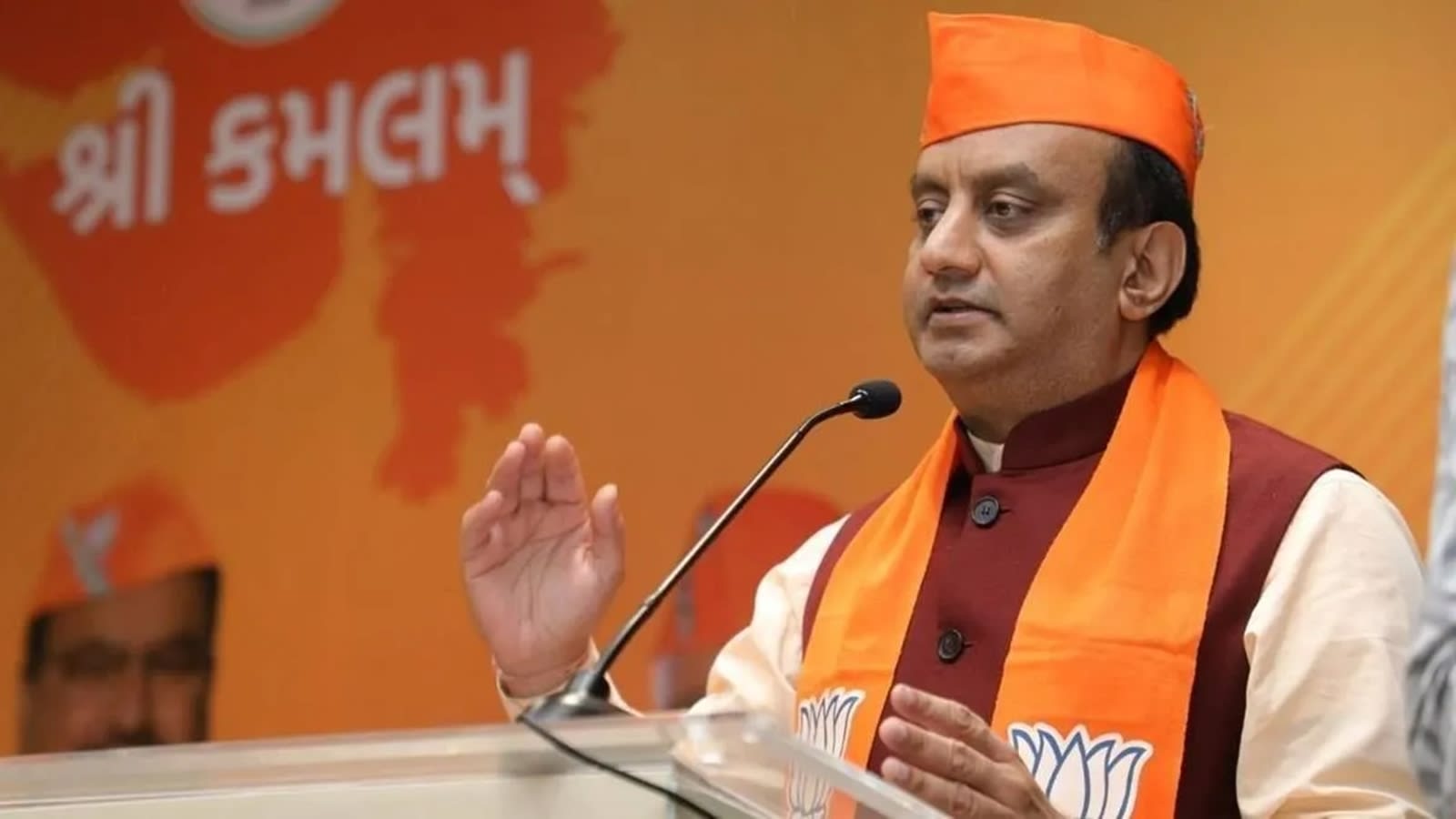
The Congress Working Committee has decided to restrict the rendition of Vande Mataram to its first two stanzas, citing historical 1937 precedents. The BJP has strongly criticized this decision, accusing the Congress of prioritizing party ideology over national sentiment and drawing parallels to historical controversies.
The Vande Mataram Controversy: A Clash of Ideology and History
The political landscape in India has been reignited by a recent decision from the Congress Working Committee (CWC) to limit the singing of the national song, Vande Mataram, to its first two stanzas during party functions. This decision, announced following a meeting led by AICC chief Mallikarjun Kharge, has sparked a fierce debate regarding national identity, historical precedent, and the ideological divide between the Congress and the Bharatiya Janata Party (BJP).
Historical Precedent vs. Contemporary Criticism
In defending its position, the Congress leadership pointed to a 1937 CWC resolution, arguing that prominent figures of the freedom movement—including Mahatma Gandhi and Rabindranath Tagore—had previously advocated for the truncation of the song to its initial two stanzas. By leaning on this historical context, the party aims to frame its decision not as a slight against the nation, but as an adherence to the wisdom of the founders of India's independence movement.
The BJP's Scathing Rebuttal
Conversely, the BJP has launched a robust offensive against this move. National spokesperson Sudhanshu Trivedi characterized the resolution as "extremely reprehensible," accusing the Congress of placing party dictates above constitutional and national values. The BJP’s rhetoric has been particularly sharp, with Trivedi drawing provocative parallels between the current Congress stance and the historical demands of the Muslim League, thereby questioning the party’s commitment to patriotic norms.
Internal Tensions and Social Concerns
Beyond the Vande Mataram controversy, the CWC meeting also revealed underlying internal frustrations. Party president Mallikarjun Kharge expressed personal anguish regarding a lack of vocal support from fellow party members concerning a "purification" (shuddhikaran) ritual that took place following his visit to Haldwani, Uttarakhand. Kharge highlighted that the silence of his colleagues on this incident—which the Congress has labeled a display of a "casteist mindset"—has caused him significant distress.
Broader Political Implications
The intersection of these two events—the symbolic debate over the national song and the internal party dynamics regarding caste-based discrimination—highlights the complex challenges currently facing the Congress. The party is attempting to balance its historical legacy with modern political optics, all while managing internal cohesion. Meanwhile, the BJP is utilizing these controversies to consolidate its narrative that the Congress is increasingly disconnected from the national mainstream.
Future Trends in Political Discourse
As the political climate in India remains highly polarized, these incidents suggest that symbolic and cultural nationalism will continue to be a primary battleground for major political parties. The conflict over the rendition of Vande Mataram is unlikely to fade quickly, as it serves as a potent tool for the BJP to challenge the Congress on its ideological foundations. Similarly, the issue of caste and social justice, underscored by Kharge’s remarks, indicates that the discourse on identity politics will remain central to the upcoming legislative and electoral cycles.
Multiple Citing Sources