I-Day row: Punjab teachers say most schools held function a day earlier, cite national holiday
Source Entity
Divya Goyal
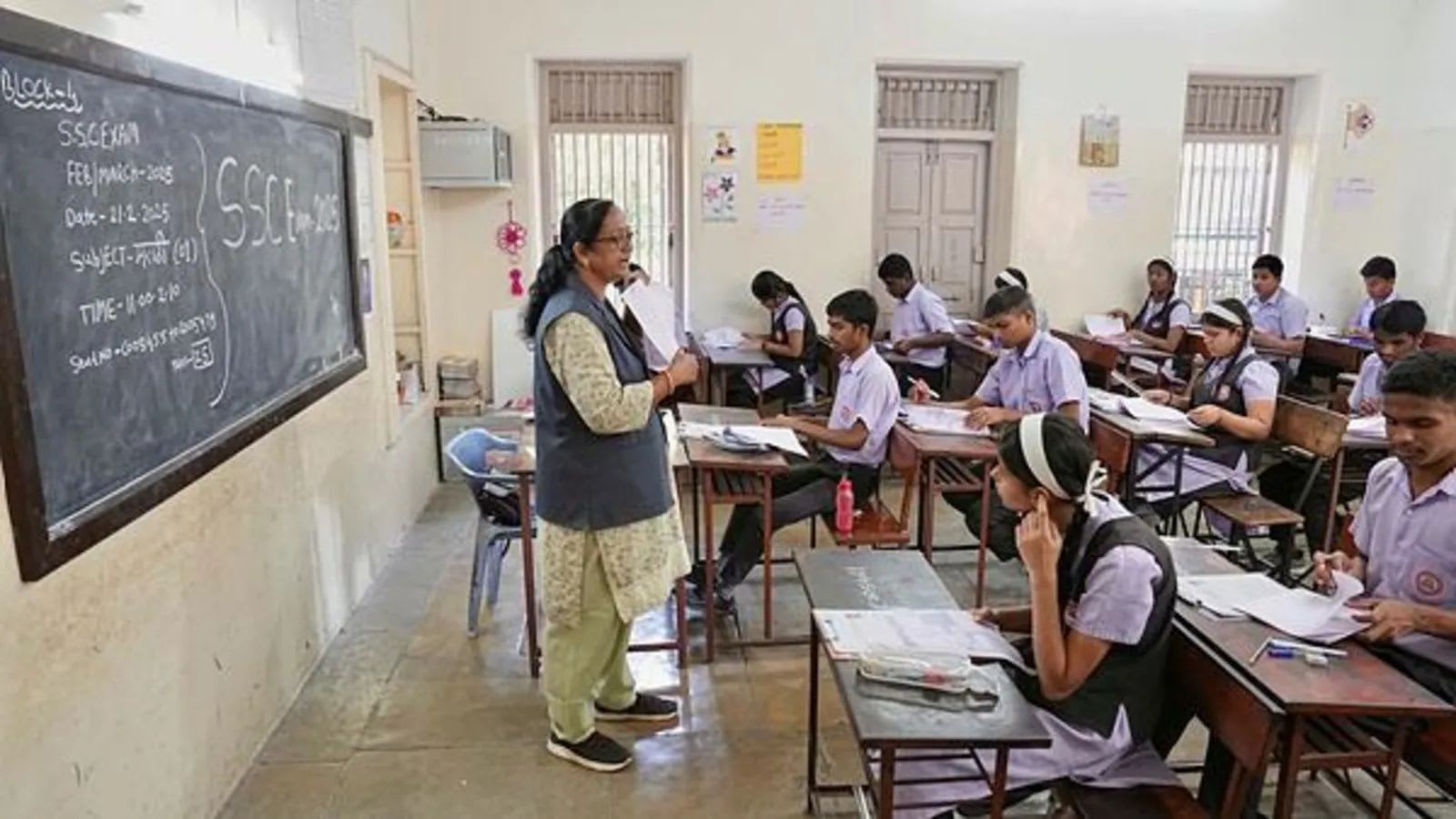
The NHRC has demanded an action report from the Punjab government regarding allegations that Independence Day celebrations were neglected in border and remote schools. Teachers argue that logistical constraints and national holiday protocols necessitated holding functions a day early instead.
NHRC Scrutinizes Independence Day Observance in Punjab Schools
The National Human Rights Commission (NHRC) has initiated a formal inquiry into the alleged failure of government schools in Punjab to observe Independence Day according to mandated governmental instructions. Specifically focusing on remote and border regions, the commission has demanded a comprehensive report from the Punjab state government to ascertain whether the national holiday was commemorated with the requisite protocol. This investigation follows a complaint that suggested a lapse in the expected standard of national celebrations in these sensitive areas.
The Administrative Directive
In proceedings dated August 18, a bench led by NHRC member Priyank Kanoongo directed the Punjab Chief Secretary to provide a detailed, granular account of school-level compliance. The commission has mandated a "state-wide, district-wise, and school-wise" report to be submitted within a four-week timeframe. Furthermore, the Secretary of the Department of School Education has been explicitly called upon to provide documentation and explanations regarding the status of these celebrations, underscoring the severity with which the commission views the allegations.
The Perspective of Educators
Conversely, the teaching community in Punjab has offered a practical counter-narrative. Educators have clarified that the decision to shift celebrations was largely driven by logistical necessity rather than negligence. Teachers noted that because August 15 is a national holiday, many students and faculty members are required to attend larger, centralized functions at the district or tehsil level. Consequently, holding events within individual school buildings on the day itself is often deemed impractical, leading many institutions to conduct their observances on the preceding day.
Broader Implications for Border Regions
The focus on "remote and border areas" adds a layer of geopolitical significance to this inquiry. In regions where national identity and state presence are vital, the manner of celebrating Independence Day is often viewed as a barometer for civic engagement. The NHRC’s intervention highlights the delicate balance between maintaining rigid administrative protocols and acknowledging the practical constraints faced by schools operating in geographically challenging or sparsely populated areas.
Future Trends in Compliance Oversight
This case signals a potential shift toward more rigorous oversight of national commemorative events in public institutions. By requesting documented evidence—such as photographs, attendance records, or reports of events held—the NHRC is moving toward a more empirical method of ensuring compliance with national directives. Moving forward, state education departments may need to standardize their procedures to ensure that local logistical decisions are formally documented to prevent future misunderstandings or administrative friction with central human rights bodies.
Conclusion
The tension between the NHRC’s push for standardized, nationwide observance and the practical realities reported by Punjab’s educators remains the core of this dispute. As the Punjab government prepares its four-week action taken report, the outcome will likely hinge on whether the state can reconcile its decentralized celebration practices with the formal, instruction-based expectations of the commission. This case serves as a reminder of the complexities involved in governing and celebrating national identity across diverse and remote administrative districts.