Congress appeals to allies to stick to two stanzas of Vande Mataram
Source Entity
India Latest News: Top National Headlines Today & Breaking News | The Hindu
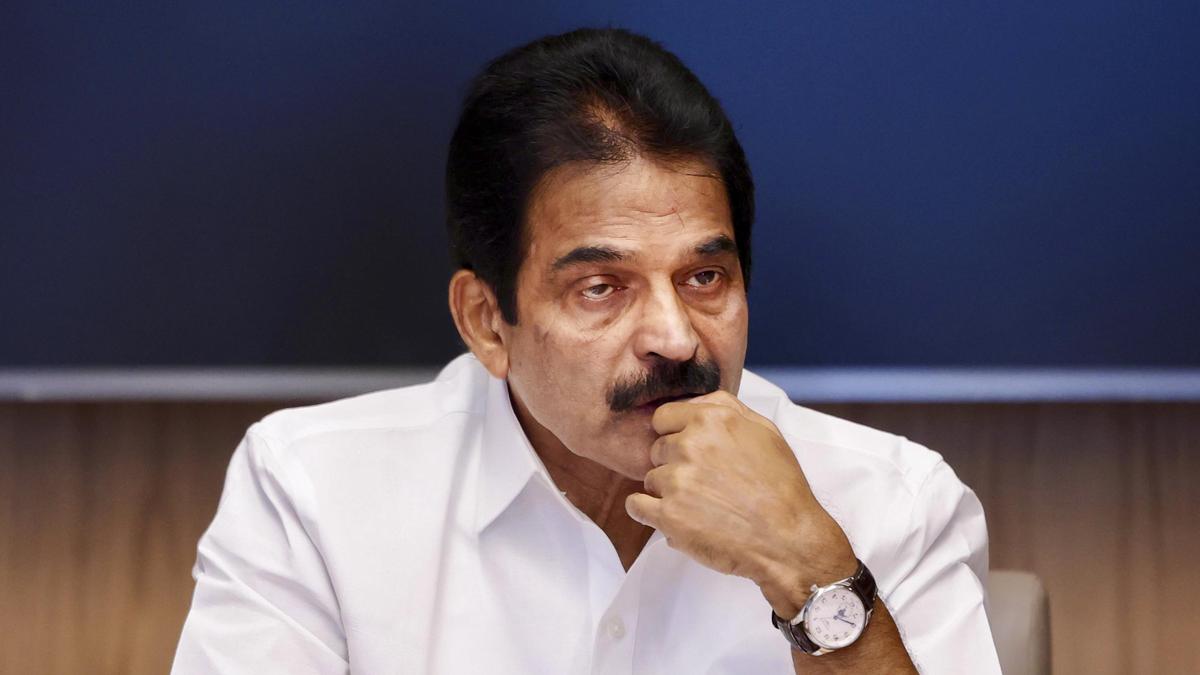
Congress leader K.C. Venugopal has requested INDIA bloc allies to limit Vande Mataram renditions to the first two stanzas. This follows controversy after NC leaders attended a full rendition at a film festival in Srinagar.
The Vande Mataram Debate: Political Discord within the INDIA Bloc
A Question of National Symbolism
On September 8, 2026, Congress general secretary K.C. Venugopal issued a formal directive to the party's political allies, urging them to adhere to the Congress party's long-standing policy of singing only the first two stanzas of Vande Mataram. This move highlights a burgeoning ideological friction within the opposition INDIA bloc, as the Congress seeks to enforce a unified stance on national symbols that it believes aligns with the "syncretic and pluralist ethos" of India’s freedom movement.
The Srinagar Incident
The catalyst for this internal pressure was an event at the Sher-e-Kashmir International Convention Centre in Srinagar on September 6, 2026. During the inaugural International Film Festival of Jammu and Kashmir, Chief Minister Omar Abdullah and National Conference (NC) President Farooq Abdullah stood through the full rendition of the song. Given that the National Conference is a key constituent of the INDIA bloc and maintains a supportive governing relationship with the Congress, this act of participation was interpreted by many as a departure from the Congress party's established protocol.
Historical Context and Ideological Nuance
The debate regarding Vande Mataram is rooted in complex historical discourse. The Congress party’s preference for the first two stanzas stems from concerns that the subsequent verses contain imagery or references that may not be universally palatable in a diverse, secular democracy. By explicitly citing the "syncretic and pluralist ethos," Venugopal is framing the party's position not merely as a matter of time or convenience, but as a commitment to maintaining the inclusive spirit that characterized the Indian independence movement.
Broader Implications for the Opposition
This incident underscores the inherent challenges of managing a coalition as diverse as the INDIA bloc. While the alliance is united by broader political goals, individual member parties often maintain distinct regional identities and cultural stances. The Congress’s attempt to harmonize these positions suggests a desire to project a singular, controlled narrative to the national electorate. However, it also reveals the potential for friction when regional leaders, such as those in Jammu and Kashmir, act in ways that prioritize local sentiments or diplomatic decorum over the central party's ideological guidelines.
Future Trends and Political Alignment
Moving forward, the ability of the INDIA bloc to maintain cohesion will depend on its capacity to navigate these cultural and symbolic disagreements. If the Congress continues to insist on uniformity regarding national songs, it may face resistance from regional partners who value autonomy in how they engage with national symbols in their own states. This incident serves as a bellwether for the internal negotiations that will define the alliance's future, particularly as it balances the need for a national platform against the specific, often divergent, interests of its member parties.
Conclusion
The tension surrounding the rendition of Vande Mataram at the Srinagar film festival is a microcosm of the larger struggle for ideological consensus within the Indian opposition. As Congress pushes for adherence to its specific interpretation of the song, the response from the National Conference and other allies will determine whether the INDIA bloc can successfully manage internal dissent or if these symbolic disagreements will continue to create cracks in their political facade.
Verification Required?