Container ship hit by projectile sinks in Strait of Hormuz, Singapore says
Source Entity
BBC News
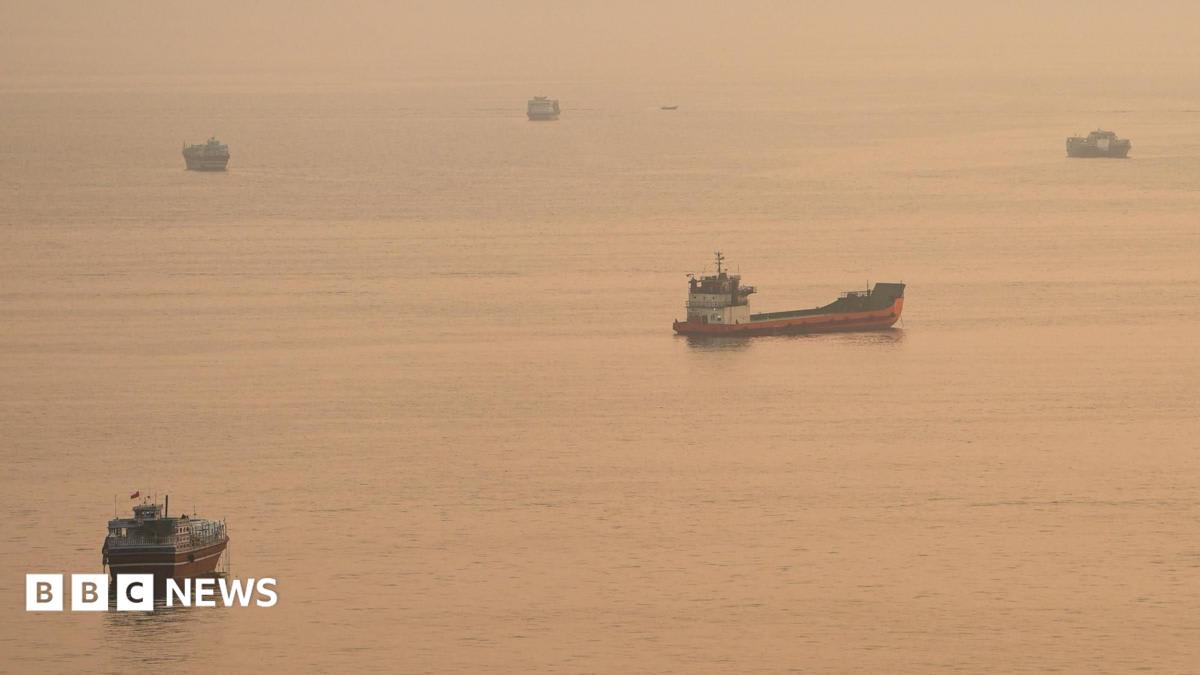
The Singapore-flagged vessel GFS Pride has sunk in the Strait of Hormuz following a projectile strike amidst escalating regional tensions. While Singaporean authorities condemn the act as a breach of international law, Iran's Revolutionary Guards allege the ship struck a naval mine.
Maritime Security Crisis in the Strait of Hormuz
The sinking of the Singapore-flagged container ship GFS Pride in the Strait of Hormuz represents a significant escalation in the ongoing conflict following the outbreak of the US-Iran war on February 28. According to the Maritime and Port Authority of Singapore, the vessel was struck by an unidentified projectile, resulting in a fire and its subsequent loss. While all 21 crew members were safely evacuated, the incident underscores the extreme volatility currently defining one of the world's most critical maritime chokepoints.
Conflicting Narratives and Regional Friction
The incident has sparked a diplomatic and narrative clash between international maritime authorities and Tehran. While the Maritime and Port Authority of Singapore has explicitly labeled the strikes as unprovoked, unjustifiable, and a clear breach of international law, Iran’s Revolutionary Guards maintain a different account. Iranian state media, including the Tasnim agency, reported that the vessel sank after striking a naval mine while navigating an "unauthorised" route. This contradiction highlights the broader information warfare accompanying the kinetic engagements in the region.
Operational Impact on Global Shipping
The threat to commercial shipping has been compounded by a second incident involving the GFS Giselle, another Singapore-flagged vessel that sustained hull damage from a projectile strike on Wednesday. Despite the damage, the Giselle managed to reach a safe anchorage with its 22 crew members intact. These back-to-back attacks signal a calculated effort to disrupt commercial transit, which analysts suggest is part of an Iranian strategy to choke off a rebound in crude oil exports and exert economic pressure on the international community.
Strategic Importance of the Strait
The Strait of Hormuz serves as a vital artery for global energy supplies, and the current escalation threatens to destabilize global oil markets. As Iran intensifies its strikes on commercial vessels near its southern port city of Bandar Abbas, the risk to global supply chains grows exponentially. The sinking of the GFS Pride marks the second such loss in this conflict, indicating that commercial vessels are no longer shielded by traditional maritime norms in these contested waters.
Future Implications and Maritime Security
Looking ahead, the international community faces the challenge of maintaining freedom of navigation in the face of persistent asymmetric threats. The classification of these strikes as violations of international law sets the stage for potential diplomatic fallout and increased naval presence from international coalitions. The ability of crews to safely evacuate is a testament to emergency protocols, but the systematic targeting of civilian vessels suggests that the Strait of Hormuz will remain a high-risk zone for the foreseeable future, likely leading to increased insurance premiums, rerouting of major trade paths, and heightened regional military posturing.