Why COP31 marks the end of an era of climate compromises
Source Entity
Amitabh Sinha
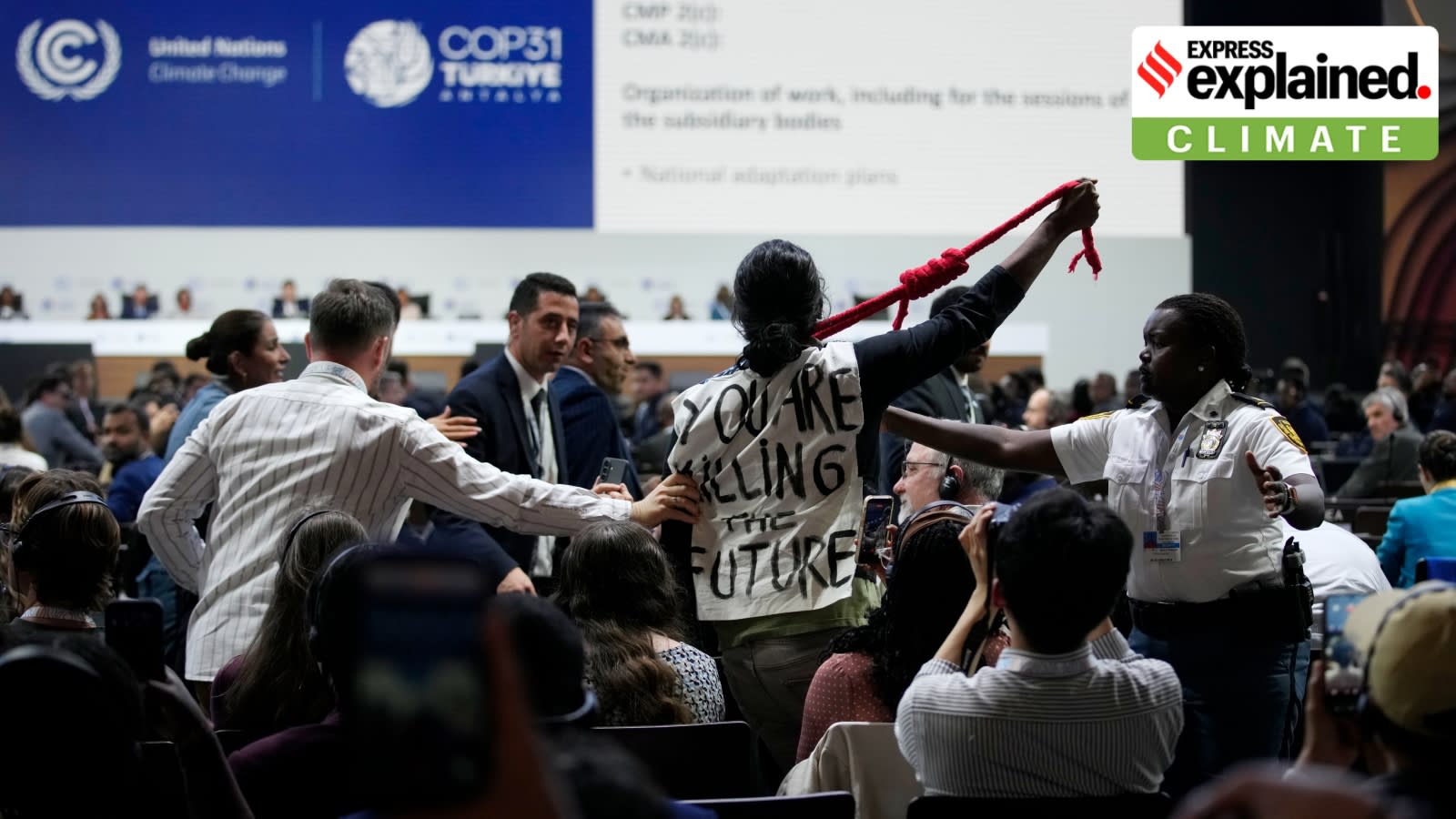
COP31 in Antalya, Turkey, marked a historic shift as nations rejected a weak climate deal, ending a long-standing tradition of settling for suboptimal compromises. This departure signals a fundamental change in global climate power dynamics and sets new, more constrained expectations for future conferences.
The Turning Point at COP31: A Departure from Tradition
For decades, the global climate change negotiation process has been defined by a strategy of incrementalism, where the avoidance of failure was prioritized over the pursuit of ambitious outcomes. At annual climate meetings, when faced with the binary choice between no deal and a weak deal, nations historically opted for the latter to maintain the momentum of the process. This approach, while effective at preventing total deadlock, often resulted in diluted agreements that fell short of the urgent actions required to address the climate crisis.
The Antalya Shift: Rejecting the Weak Deal
The just-concluded COP31 meeting in Antalya, Turkey, represents a stark departure from this legacy. For the first time, major players, including the European Union and several other nations, consciously chose not to agree to a deal that they deemed insufficient to address their core demands. By refusing to accept a weak compromise, these countries have essentially signaled that the era of 'any deal is better than no deal' has reached its conclusion.
Evolving Power Dynamics and Realities
This refusal is not merely a procedural disagreement but a reflection of the substantially changed realities of the last few years. The geopolitical landscape surrounding climate action has shifted significantly, with domestic pressures, economic competition, and the intensifying physical impacts of climate change creating new, more rigid negotiation boundaries. The power dynamics within these conferences are no longer static; they are being recalibrated as nations reassess their own national interests against the collective necessity of climate action.
Historical Context and the Limits of Multilateralism
Disagreements have always been a staple of climate conferences, but the nature of these disputes has evolved. Historically, these tensions were managed through the 'weak deal' mechanism, which acted as a safety valve. By breaking this pattern, COP31 has exposed the inherent limitations of the current multilateral framework. The expectation that these annual summits can serve as a universal cure for climate change is being tempered by the reality that divergent national interests may no longer be easily reconciled through broad, watered-down consensus.
Future Implications for Climate Diplomacy
Looking ahead, this development suggests that future climate conferences will likely be more volatile and less predictable. If the 'lowest common denominator' approach is no longer acceptable to key stakeholders, the international community must prepare for a future where deals are either more ambitious or non-existent. This shift forces a move toward coalition-based diplomacy, where smaller, like-minded groups of nations may pursue climate progress outside of the traditional, all-encompassing consensus model, potentially rendering the traditional COP format increasingly symbolic rather than substantive.