Corn and wheat prices jump to highest prices in more than three years
Source Entity
US Top News and Analysis
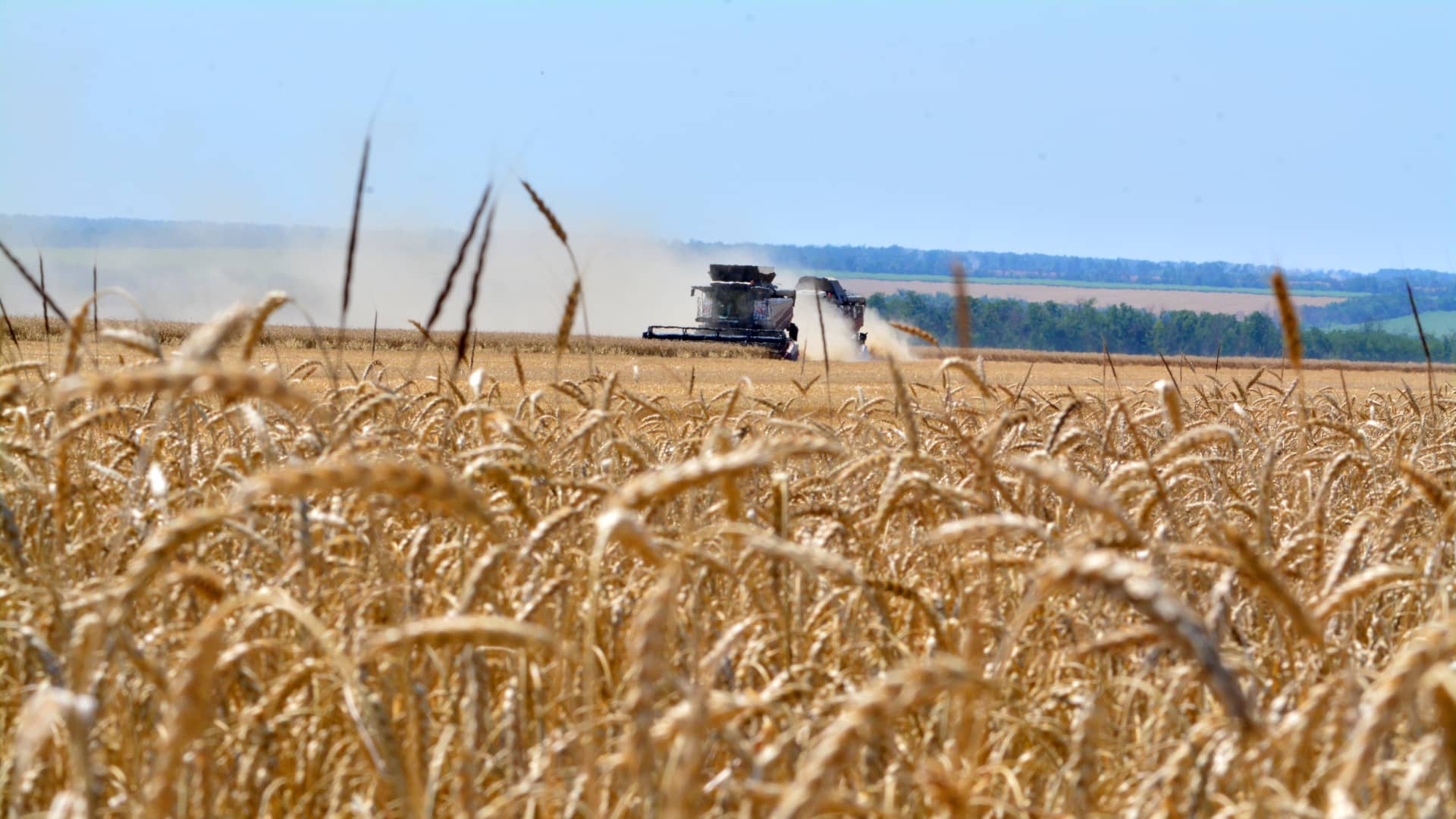
Corn and wheat prices have reached three-year highs, driven by distinct market pressures. While wheat is surging due to geopolitical conflict in the Black Sea, corn's rally reflects different underlying supply and demand dynamics.
Agricultural Commodities Hit Three-Year Price Peaks
The global agricultural market is currently experiencing significant volatility, with corn and wheat futures surging to their highest levels in over three years. This sharp upward trend has caught the attention of traders and food security experts alike, as both grains represent fundamental pillars of the global food supply chain. While the price increases for both commodities are concurrent, market analysts emphasize that the catalysts driving these rallies are fundamentally distinct, necessitating a nuanced look at the current agricultural landscape.
The Geopolitical Pressure on Wheat
Wheat has seen an aggressive climb, settling at 784 cents per bushel on Friday after testing highs near 790 cents. This represents a staggering 12.1% gain in a single week—the largest weekly increase since March 2022—and a year-to-date surge of over 54.5%. The primary driver behind this instability is the escalation of Russia-Ukraine tensions within the Black Sea region. As two of the world's largest wheat exporters, any disruption in this corridor creates immediate supply concerns, triggering speculative buying and panic pricing across international markets.
Corn’s Domestic and Seasonal Rallies
In contrast to the geopolitical focus of the wheat market, corn futures are exhibiting a different pattern of growth. Settling at 536.5 cents per bushel, corn has reached its highest level since July 2023. With a 5.5% weekly gain and a 15.6% increase throughout August, corn is currently on pace for its strongest monthly performance since April 2021. Unlike wheat, which is reacting to immediate conflict, corn’s rise is often tied to shifting domestic demand, ethanol production requirements, and seasonal planting or harvesting cycles that influence short-term supply availability.
Historical Context and Market Implications
Comparing these levels to historical milestones, such as the benchmarks set in February 2023 for wheat and July 2023 for corn, it is clear that the market is currently testing its upper limits. The last time wheat saw such volatility was during the initial shocks of the Russia-Ukraine conflict. The current rally suggests that traders are pricing in the possibility of prolonged supply chain disruptions, which could have long-term implications for global food inflation and the cost of essential staples.
Future Trends and Food Security
Looking ahead, the divergence in these price drivers suggests that while corn may stabilize if seasonal supply metrics align, wheat prices remain highly sensitive to the unpredictable nature of Black Sea geopolitics. If the current tensions continue to escalate, global food importers may face sustained high costs, potentially impacting everything from livestock feed to consumer bread prices. Policy makers and investors should continue to monitor these developments closely, as the synergy between these two grains remains critical to global economic stability.