Corning Just Signed a Multibillion-Dollar Fiber Deal for AI and Broadband With Verizon. What That Means for GLW Stock.
Source Entity
Yahoo Finance
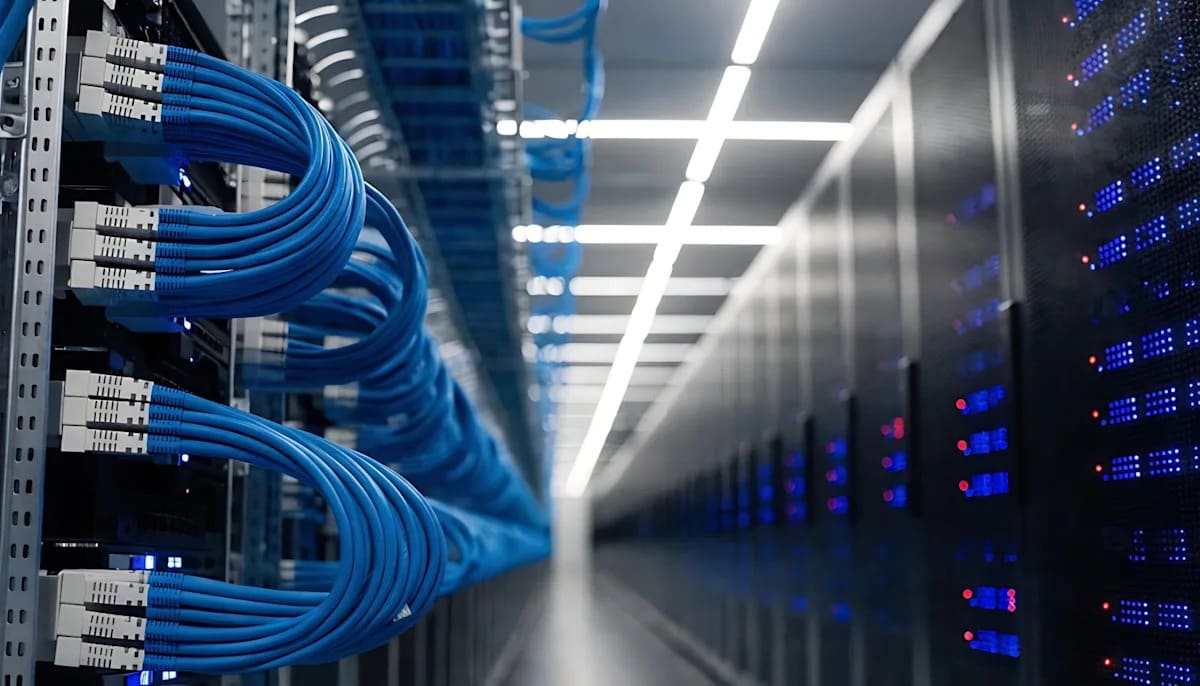
Corning has secured a massive multibillion-dollar deal with Verizon to supply 80 million miles of optical fiber through 2032. This partnership is essential for expanding broadband access and building the high-speed, low-latency infrastructure required for modern AI data centers.
Corning’s Strategic Expansion in Fiber Infrastructure
On September 8, Corning (GLW) solidified its position as a cornerstone of modern telecommunications infrastructure by entering into a multibillion-dollar supply agreement with Verizon (VZ). This deal mandates the delivery of over 80 million miles of high-density optical fiber and advanced connectivity solutions, scheduled to be fulfilled through 2032. This partnership represents a critical milestone in the ongoing efforts to modernize national telecommunications networks, providing the physical foundation necessary for both consumer broadband and enterprise-grade connectivity.
The Intersection of AI and Physical Infrastructure
While fiber optics have long been synonymous with internet speed, their role has evolved significantly with the rise of artificial intelligence. The agreement with Verizon specifically addresses the urgent need for long-haul, low-latency networks. AI models require massive computational power, and the data centers housing these systems must be interconnected with near-instantaneous transmission capabilities. By securing this contract, Corning is positioning itself as a vital hardware provider for the backbone of the AI revolution, ensuring that data can flow between massive server farms without the bottlenecks of legacy infrastructure.
Diversification and Market Momentum
Corning’s current market strategy is characterized by a rapid expansion of its high-profile client base. The Verizon deal is not an isolated success; it follows a similar multibillion-dollar arrangement with Amazon (AMZN) and a strategic initiative tied to Nvidia (NVDA) infrastructure. By aligning with these technology giants, Corning has effectively diversified its revenue streams, moving beyond traditional telecommunications into the hyper-growth sector of AI infrastructure construction. This multi-layered approach provides the company with a significant competitive advantage as the demand for high-density fiber continues to outpace supply.
Broader Economic and Industrial Implications
The scale of this agreement, encompassing 80 million miles of fiber, highlights the massive capital expenditure currently flowing into physical network construction. For the broader market, this suggests that the AI boom is not merely a software or chip-based phenomenon but one that requires immense physical hardware investment. As companies like Verizon upgrade their networks, the ripple effects are expected to stabilize the supply chain for fiber optics, potentially setting a new standard for data transmission speeds across the United States over the next decade.
Future Outlook and Conclusion
Looking ahead, Corning's ability to execute these large-scale contracts will likely serve as a barometer for the health of the infrastructure sector. As the company continues to integrate its products into the ecosystems of Nvidia and Amazon, it cements its role as an indispensable partner in the digital age. The long-term nature of this deal, extending through 2032, provides both parties with stability in an otherwise volatile tech landscape. Ultimately, the partnership underscores that while AI is the engine of modern digital progress, fiber optics remain the essential tracks upon which that engine runs.