2020 Delhi riots case: Court allows Umar Khalid 2 family video meetings every week
Source Entity
TOI NEWS DESK
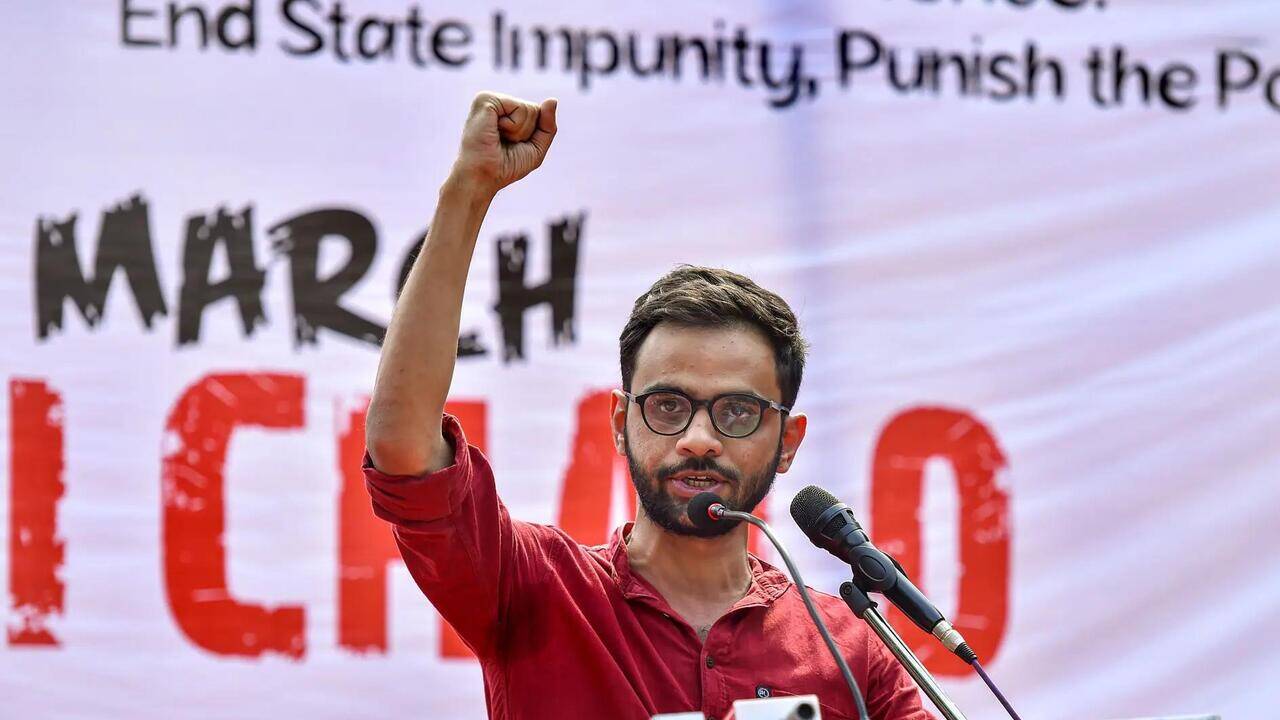
A Delhi court has ordered jail authorities to restore activist Umar Khalid's weekly video meetings with his family to two sessions per week, stating there was no justification for the previous reduction to a single session.
Judicial Intervention in Prisoner Rights: The Case of Umar Khalid
In a recent development concerning the ongoing legal proceedings of the 2020 Northeast Delhi riots conspiracy case, a Delhi court has intervened to restore the frequency of video meetings between activist Umar Khalid and his family. The court's decision specifically reverses a move by jail authorities to reduce these meetings from two per week to one. By ruling that there was no valid justification for this reduction, the court has reaffirmed the importance of maintaining familial ties for incarcerated individuals, even those facing severe charges.
The Legal Dispute Over Communication
The core of this specific legal skirmish lies in the administrative discretion of jail authorities versus the fundamental rights of an undertrial prisoner. The reduction of video calls is often framed by prison administrations as a security measure or a matter of logistical convenience. However, the court's finding that there was "no justification" suggests a critical look at how arbitrary these restrictions can become. In the context of long-term incarceration, such as that experienced by Khalid, communication with family serves as a vital psychological lifeline, and the court's insistence on restoring the original frequency highlights a judicial commitment to preventing unnecessary isolation.
The Broader Context of the 2020 Delhi Riots Case
To understand the gravity of this order, one must look at the broader legal framework surrounding the 2020 Northeast Delhi riots case. Umar Khalid is being held under the Unlawful Activities (Prevention) Act (UAPA), a stringent anti-terror law that makes obtaining bail exceptionally difficult. The prosecution alleges a larger conspiracy to incite the riots, while the defense maintains that the charges are politically motivated. The slow pace of the trial, coupled with repeated rejections of bail pleas, has turned Khalid's detention into a symbol of the tension between state security laws and individual liberties in India.
Implications for Undertrial Prisoners
This ruling carries implications beyond the specific case of Umar Khalid. It reinforces the principle that the rights of an undertrial—someone who has not yet been convicted of a crime—must be protected against administrative overreach. The restoration of these meetings underscores the legal standing that prison rules cannot be modified on a whim without a demonstrable security threat. This sets a precedent that jail authorities must provide a rational, evidence-based reason if they intend to curtail the communication rights of prisoners, ensuring that administrative convenience does not override human rights.
The Interplay Between Bail Denials and Procedural Victories
It is noteworthy that this procedural victory regarding video meetings comes on the heels of the rejection of Khalid's recent bail pleas. This creates a complex legal narrative where the defendant suffers major setbacks regarding his overall freedom (bail) but achieves minor victories regarding his conditions of confinement (visitation). This pattern reflects a judicial environment where the courts may be hesitant to grant release under the strict mandates of the UAPA but remain vigilant in ensuring that the state does not exceed its authority in the treatment of detainees.
Historical and Social Resonance
Historically, the 2020 Delhi riots represented one of the most volatile periods of communal tension in the capital's recent history. The subsequent legal battles involving activists, students, and community leaders have been closely watched by international human rights organizations. The focus on small details, such as the number of weekly video calls, reflects the high stakes of the case. For the supporters of the accused, these legal battles are viewed as a fight against the "criminalization of dissent," while for the state, they are essential steps in maintaining national security and law and order.
Conclusion and Future Outlook
While the restoration of two weekly video meetings is a modest win, it serves as a critical check on the executive power of prison administrations. Moving forward, the trajectory of Umar Khalid's case will likely continue to be a bellwether for how Indian courts balance the stringent requirements of the UAPA with the basic rights of the accused. As the trial progresses, the focus will shift back to the substantive evidence of the conspiracy, but the current ruling ensures that, in the interim, the basic human need for family connectivity is preserved.