Strictest action will be taken against guilty in Badrinath temple theft: CM Dhami
Source Entity
Latest News: Today's Latest News Headlines from India & World | Hindustan Times | Hindustan Times
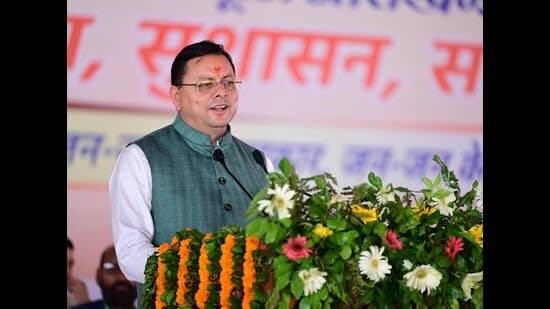
Uttarakhand Chief Minister Pushkar Singh Dhami has announced that the strictest possible action will be taken against those responsible for the theft at the Badrinath temple, while firmly stating that the government will not tolerate any political exploitation of the incident.
Analysis of the Badrinath Temple Theft and Government Response
Introduction to the Incident
The Badrinath temple, one of the most revered shrines in the Hindu faith and a critical pillar of the Chardham Yatra, has recently been the site of a theft. The incident has sparked immediate concern across the state of Uttarakhand and among devotees nationwide. In response to the breach, Chief Minister Pushkar Singh Dhami has issued a stern warning, declaring that the "strictest action" will be taken against the perpetrators. This response indicates that the state government views the theft not merely as a criminal act of larceny, but as an assault on the spiritual and cultural sanctity of one of India's most significant religious landmarks.
The Spiritual and Cultural Stakes
To understand the gravity of this event, one must consider the historical and religious context of Badrinath. As a primary destination for millions of pilgrims annually, the temple is seen as a gateway to salvation. Theft within such a sanctified space is often perceived by the public as a profound desecration. The emotional weight of this incident means that the government cannot treat it as a routine police matter; the psychological impact on the devotee community necessitates a high-profile and transparent legal resolution to restore faith in the temple's security and sanctity.
Analyzing the Political Dimension
Chief Minister Dhami's explicit statement that the government "will not allow any kind of politics over it" is a revealing piece of political strategy. In the high-stakes environment of Uttarakhand politics, security lapses at major pilgrimage sites are frequently weaponized by opposition parties to question the administration's competence. By preemptively shutting down the possibility of political maneuvering, Dhami is attempting to isolate the criminal nature of the theft from the political narrative, signaling that the administration is focused on justice rather than image management, while simultaneously warning opponents against exploiting the situation.
Security Implications and Systemic Failures
This theft highlights a critical vulnerability in the management of high-traffic religious sites. The incident raises urgent questions regarding the efficacy of current surveillance systems, the vetting process for temple staff, and the overall security protocols implemented during the Yatra season. It is likely that this event will trigger a comprehensive security audit across all Chardham shrines. The government will be under pressure to implement modernized security measures, such as advanced CCTV integration and stricter access controls, to ensure that such a breach does not occur again in other sensitive zones.
Impact on Tourism and the Local Economy
The Char Dham Yatra is not only a spiritual journey but also the backbone of Uttarakhand's tourism economy. Perceptions of insecurity at a site as prominent as Badrinath could potentially dampen the enthusiasm of future pilgrims or create an atmosphere of anxiety. Therefore, the CM's commitment to "strictest action" serves a dual purpose: it satisfies the demand for justice and reassures the tourism sector that the state remains a safe destination for millions of visitors.
Conclusion and Future Outlook
In summary, the theft at Badrinath temple is a multifaceted crisis involving criminal law, religious sentiment, and political stability. Chief Minister Dhami's firm stance is a necessary first step in mitigating the fallout. Moving forward, the success of the government's response will be measured not just by the arrest of the guilty parties, but by the implementation of systemic reforms to protect the state's spiritual heritage. The resolution of this case will set a precedent for how the Uttarakhand government handles security breaches at its most sacred sites.
Verification Required?