One prison escapee arrested after police open fire in Kalaburagi
Source Entity
India Latest News: Top National Headlines Today & Breaking News | The Hindu
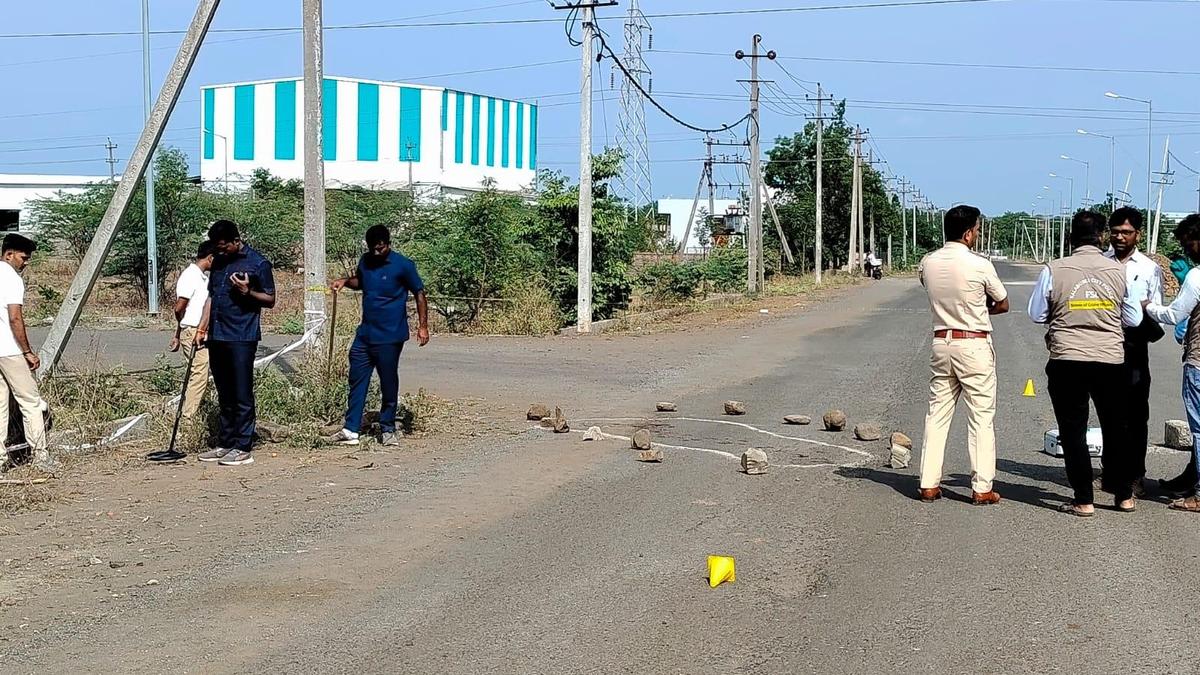
Police in Kalaburagi have successfully recaptured a prison escapee who was previously incarcerated under the Protection of Children from Sexual Offences (POCSO) Act, following an operation that involved the use of firearms.
Recapture of POCSO Fugitive in Kalaburagi: A Detailed Analysis
In a high-stakes operation, law enforcement agencies in Kalaburagi have successfully apprehended a prison escapee who had been fleeing justice. The situation escalated significantly during the arrest, necessitating the use of firearms by the police to secure the suspect. The arrested individual was not a petty criminal but was lodged in prison facing serious charges under the Protection of Children from Sexual Offences (POCSO) Act, making his escape a matter of urgent public safety and legal priority.
The Tactical Operation and Police Response
The decision by the Kalaburagi police to open fire indicates a volatile confrontation. In fugitive recovery operations, the use of force is typically reserved for situations where the suspect resists arrest or poses an immediate threat to the officers or the surrounding public. The fact that the police had to resort to gunfire suggests that the escapee may have attempted to evade capture through aggression or flight, highlighting the desperation often associated with individuals facing long-term imprisonment for heinous crimes.
Understanding the Legal Gravity of the POCSO Act
To understand the severity of this case, one must look at the nature of the charges. The POCSO Act is one of India's most stringent pieces of legislation, designed specifically to protect children from sexual assault, harassment, and pornography. Because the act carries heavy penalties and a societal stigma of extreme severity, suspects charged under it are often viewed as high-risk. The escape of such an individual creates an immediate security vacuum, as the potential for recidivism or the intimidation of witnesses in the original case becomes a primary concern for the judiciary.
Implications for Prison Security and Management
This incident raises critical questions regarding the security protocols of the correctional facility from which the prisoner escaped. A breach in prison security—especially involving a high-priority offender—points toward systemic vulnerabilities, whether they be due to inadequate surveillance, personnel negligence, or structural failures. This event will likely prompt an internal audit of the Kalaburagi prison system to determine how the escape occurred and to implement stricter monitoring measures to prevent future lapses.
Public Safety and Community Impact
For the residents of Kalaburagi, the news of a POCSO fugitive on the loose likely caused significant anxiety. The nature of the crime associated with the suspect makes the recapture not just a legal victory, but a restoration of community safety. The swift action of the police in tracking and arresting the fugitive serves as a deterrent to others and reinforces the state's commitment to ensuring that offenders of child abuse cannot evade the legal process.
Conclusion and Future Outlook
The recapture of the escapee brings a temporary close to a dangerous episode, but the broader implications remain. Moving forward, the focus will shift toward the legal proceedings of the original POCSO case, now compounded by the additional charge of escaping legal custody. This event underscores the necessity for a dual approach in criminal justice: the rigorous enforcement of protective laws like POCSO and the unwavering security of the institutions tasked with holding those who violate them.
Verification Required?