MSRTC extends 10% bus fare hike till July 31, cites rising diesel prices
Source Entity
Ishika Gupta
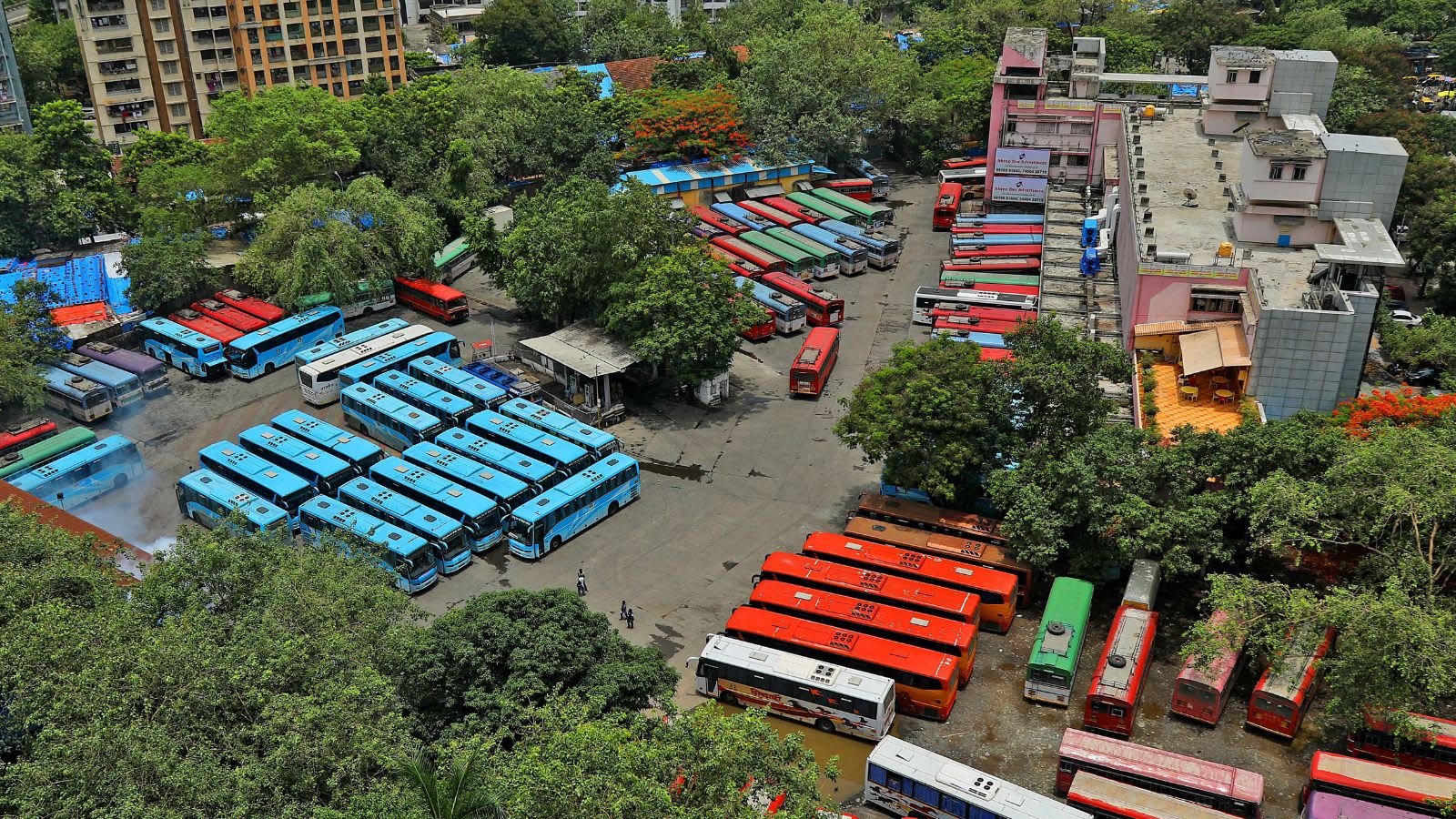
The Maharashtra State Road Transport Corporation (MSRTC) has extended a 10% fare increase for its ordinary bus services until July 31, citing the continued rise in diesel prices as the primary driver for the decision.
MSRTC Extends Fare Hike: A Response to Fuel Volatility
The Maharashtra State Road Transport Corporation (MSRTC), one of the largest state-run transport undertakings in India, has announced the extension of a 10% fare hike for passengers utilizing its ordinary bus services. This price adjustment, which was initially intended to be temporary, will now remain in effect until July 31. The decision is fundamentally rooted in the escalating cost of diesel, which serves as the primary energy source for the corporation's massive fleet of ordinary buses.
The Economic Burden of Fuel Costs
Fuel expenses represent the most significant operational overhead for any state transport undertaking. When global crude oil prices fluctuate or domestic taxes increase, the impact is felt immediately in the operating margins of MSRTC. By extending the 10% fare hike, the corporation is attempting to hedge against the volatility of diesel prices to ensure that its daily operations remain viable. This move highlights a critical challenge faced by public utilities: the struggle to balance affordable public transit with the reality of rising commodity costs. The decision to target 'ordinary' buses specifically suggests that the corporation is seeking to recover costs from its most high-volume segments to maintain a baseline of service stability.
Socio-Economic Impact on Rural Commuters
While a 10% increase may seem marginal to some, the impact is disproportionately felt by the demographic that relies most on ordinary bus services. These passengers typically include rural laborers, students, and low-income commuters who depend on MSRTC for essential connectivity between villages and urban centers. Because ordinary buses are the most affordable tier of transport, any price hike directly affects the disposable income of the state's most vulnerable populations. This creates a tension between the corporation's financial necessity and its mandate to provide accessible public transportation across the diverse geography of Maharashtra.
MSRTC's Financial Sustainability and Debt
Historically, MSRTC has grappled with significant financial instability, often burdened by mounting debts and operational inefficiencies. The extension of fare hikes is rarely an isolated event but rather a symptom of a broader struggle for financial solvency. State-run transporters often operate on thin margins, and when fuel prices spike, the resulting deficit can lead to poor vehicle maintenance or reduced frequency of trips. By extending this hike, MSRTC is attempting to stabilize its cash flow to prevent a further decline in service quality, reflecting a strategy of cost-recovery over state-subsidized losses.
Broader Implications for Public Transit Policy
This event underscores the fragility of fossil-fuel-dependent public transport systems. The recurring need to raise fares in response to diesel prices suggests that the current model is unsustainable in the long term. This situation likely accelerates the discourse around the transition to Electric Vehicles (EVs) and Compressed Natural Gas (CNG) for state fleets. If MSRTC continues to be at the mercy of global oil markets, the state government may be forced to either increase direct subsidies to freeze fares or invest heavily in green energy infrastructure to decouple transportation costs from diesel price swings.
Summary and Future Outlook
In conclusion, the extension of the 10% fare hike until July 31 is a pragmatic, albeit unpopular, measure to ensure the continued operation of MSRTC's ordinary bus services amidst rising diesel costs. While it provides short-term financial relief to the corporation, it places a burden on the rural and lower-income population of Maharashtra. Looking forward, the corporation will likely continue to monitor fuel trends closely; if diesel prices remain high or continue to climb, further extensions or additional price revisions may become inevitable unless there is a strategic shift toward alternative fuels or increased government funding.