KSTDC mulls rolling out 40 electric buses for safari operations at Bannerghatta Biological Park
Source Entity
India Latest News: Top National Headlines Today & Breaking News | The Hindu
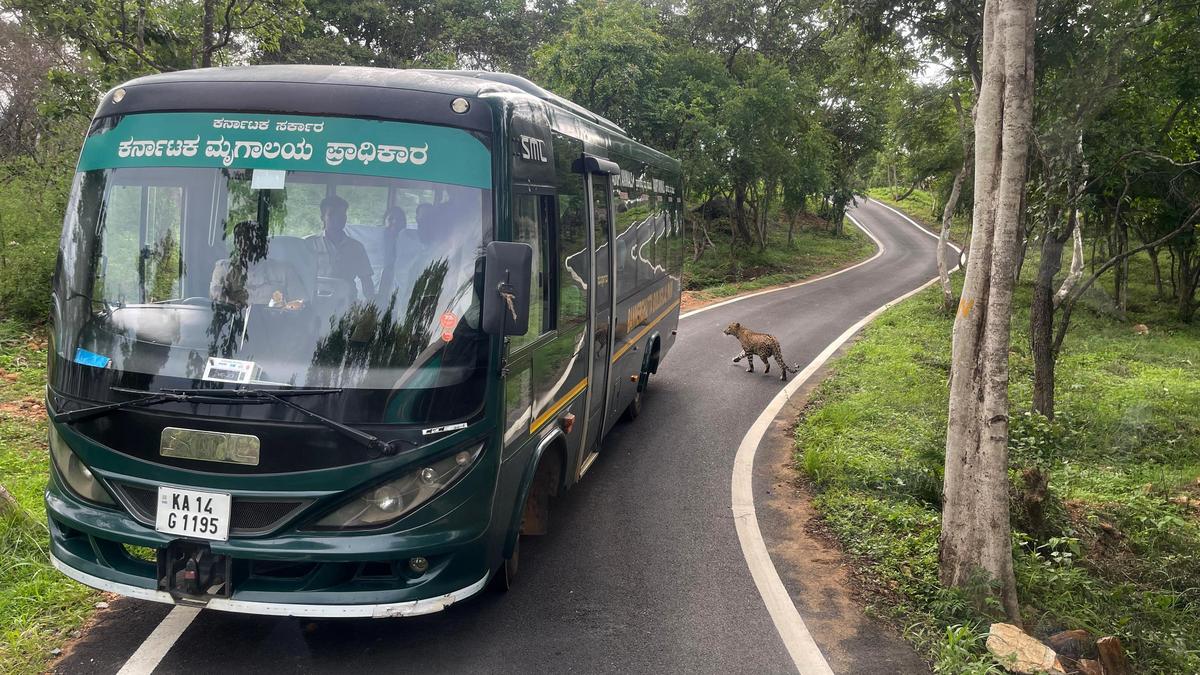
The Karnataka State Tourism Development Corporation (KSTDC) is planning to introduce 40 electric buses for safari operations at Bannerghatta Biological Park in Bengaluru to reduce pollution and improve the visitor experience.
Transitioning to Green Tourism: KSTDC's Electric Shift at Bannerghatta
In a significant move toward sustainable tourism, the Karnataka State Tourism Development Corporation (KSTDC) is exploring the deployment of 40 electric buses for safari operations at the Bannerghatta Biological Park (BBP) in Bengaluru. This initiative represents a strategic pivot from traditional internal combustion engine vehicles to eco-friendly alternatives, aiming to align the park's operational logistics with modern environmental standards. By integrating electric mobility into one of the city's most visited biological parks, KSTDC is attempting to balance the high demand for wildlife tourism with the urgent need for ecological preservation.
Reducing the Ecological Footprint on Wildlife
Bannerghatta Biological Park serves as a critical sanctuary for various species, and the introduction of electric buses is primarily a response to the negative externalities associated with diesel-powered safari vehicles. Traditional engines emit significant amounts of carbon dioxide and particulate matter, which can degrade the air quality within the sanctuary. More importantly, the noise pollution generated by combustion engines can cause significant stress to the animals, potentially altering their natural behavior and disrupting their breeding and feeding patterns. The shift to electric buses will provide a near-silent transit experience, allowing visitors to observe wildlife with minimal disturbance, thereby enhancing the ethical standards of the safari experience.
Operational Modernization and KSTDC's Role
The proposal to roll out 40 electric buses indicates a larger effort by KSTDC to modernize the infrastructure of Karnataka's tourism hubs. Transitioning a fleet of this size requires not only the procurement of vehicles but also the installation of robust charging infrastructure within the park's boundaries. This move suggests that KSTDC is looking beyond mere transport and is investing in a sustainable ecosystem. By managing the transition, the corporation is positioning itself as a leader in "green tourism," demonstrating that state-run entities can successfully implement large-scale EV transitions in sensitive environmental zones.
Alignment with National Green Energy Goals
This initiative does not exist in a vacuum; it is closely aligned with India's broader national goals to increase EV penetration across all sectors. With the central government's push through various schemes to reduce dependency on fossil fuels, the adoption of electric buses in a high-visibility area like Bengaluru serves as a public demonstration of the technology's viability. The move at Bannerghatta mirrors a global trend where national parks and biological reserves are phasing out petrol and diesel vehicles to protect fragile ecosystems, signaling a shift in how India manages its protected areas in the 21st century.
Future Implications for Wildlife Tourism in India
If the rollout of these 40 electric buses proves successful at Bannerghatta, it is highly likely to serve as a blueprint for other biological parks and tiger reserves across India. The success of this project will be measured not just by the reduction in emissions, but by the operational efficiency and the reaction of the wildlife. We can predict a future trend where 'Silent Safaris' become the industry standard, forcing private operators and other state boards to upgrade their fleets to remain competitive and compliant with stricter environmental regulations.
Conclusion
The KSTDC's plan to introduce electric buses at Bannerghatta Biological Park is a forward-thinking step that addresses the inherent conflict between tourism and conservation. By reducing noise and air pollution, the initiative protects the wellbeing of the park's inhabitants while offering a more serene experience for tourists. Ultimately, this transition marks a critical milestone in Bengaluru's journey toward urban sustainability and sets a promising precedent for the future of wildlife tourism across the country.
Verification Required?