Review: Coyote vs. Acme is an unabashed love letter to Looney Tunes
Source Entity
Jennifer Ouellette
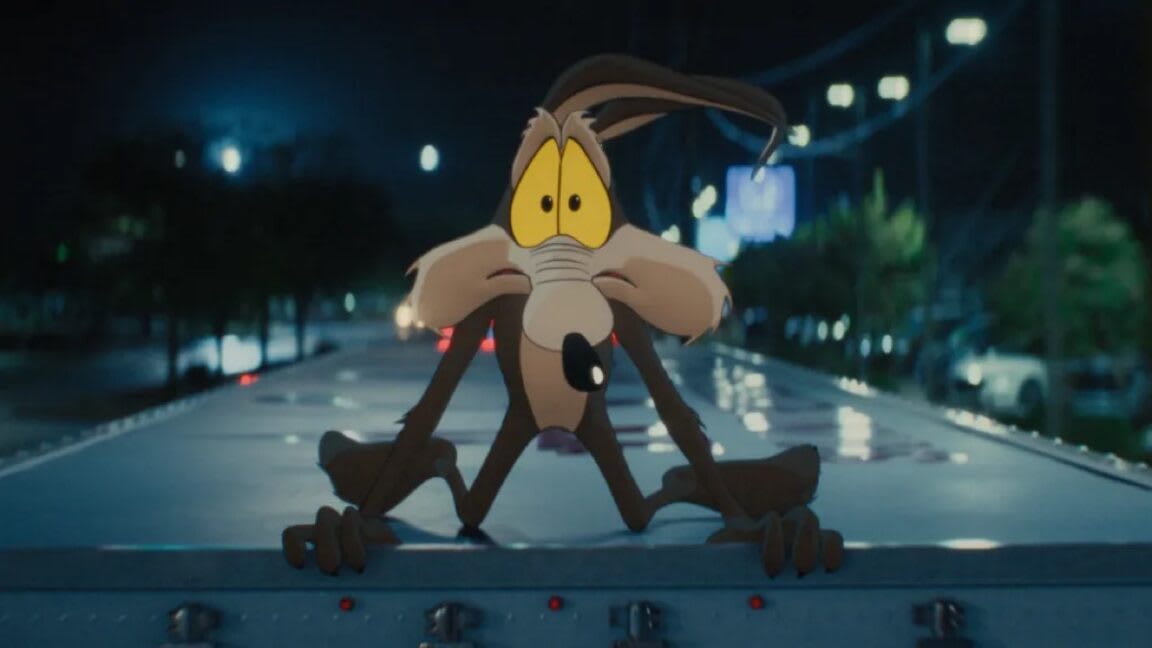
Coyote vs. Acme has finally debuted, earning praise for its blend of slapstick humor and satire. The film's release follows a controversial 2023 decision by Warner Bros. to shelve the project for tax purposes.
A Triumph Over Corporate Shelving
Director Dave Green’s Coyote vs. Acme has emerged as a rare cinematic victory, marking a successful transition from a project trapped in corporate limbo to a celebrated theatrical release. By blending live-action elements with the frantic, classic energy of Looney Tunes animation, the film succeeds in capturing the subversive spirit that has defined Wile E. Coyote for generations. The film’s arrival in theaters serves as a testament to the enduring appeal of these legendary characters and their capacity to adapt to modern storytelling formats.
The Literary Roots of a Legal Battle
The film finds its creative foundation in Ian Frazier’s iconic 1990 New Yorker article. Frazier’s piece served as a brilliant legal satire that gave a voice to the perpetual frustration of Wile E. Coyote, framing his failures as a consumer protection case against the Acme Corporation. Adapting this specific source material required a delicate balance of wit and nostalgia, a task bolstered by the involvement of high-profile talent such as James Gunn, whose influence on the script helped bridge the gap between classic animation tropes and contemporary narrative structures.
The 2023 Controversy and Industry Backlash
The road to the screen was far from smooth. In 2023, Warner Bros. made the highly controversial decision to shelf the completed film, intending to utilize it as a tax write-off. This move sent shockwaves through the entertainment industry, igniting a fierce debate regarding the value of artistic labor versus corporate accounting. The backlash from both industry professionals and the fanbase was immediate, highlighting a growing tension between creative output and the financialization of intellectual property within major studios.
Analyzing the Hybrid Format
At its core, Coyote vs. Acme succeeds because it respects the source material’s “smart, subversive weirdness.” By utilizing a live-action/animated hybrid format, Green honors the slapstick legacy while grounding the absurdity in a world that feels tangible. This approach prevents the film from feeling like a mere gimmick, instead allowing for a deeper exploration of themes like perseverance, failure, and the absurdity of the corporate-industrial complex as represented by the fictional Acme Corporation.
Future Implications for Intellectual Property
The successful release of this film may influence how major studios handle completed projects that they deem commercially risky. The public outcry that ultimately pressured the studio to reverse its decision suggests that audience advocacy can serve as a potent check against the erasure of creative work. As digital libraries and tax-incentive strategies evolve, the case of Coyote vs. Acme will likely remain a landmark example of how fan engagement can rescue art from the cutting room floor.
Conclusion: An Unabashed Love Letter
Ultimately, Coyote vs. Acme is an unabashed love letter to the Looney Tunes universe. It manages to be both a nostalgic homage and a fresh, satirical take on one of animation’s most enduring rivalries. By overcoming a tumultuous development cycle and corporate opposition, the film stands as a triumph of creative integrity, providing audiences with the slapstick joy and genuine heart that fans of the franchise have long anticipated.