C++26 Contracts: Introduction to Preconditions and Postconditions
Source Entity
Hacker News
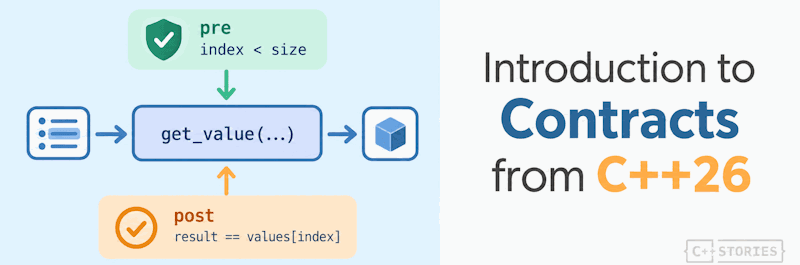
The C++26 standard is set to introduce formal support for contracts, allowing developers to define preconditions and postconditions directly within their code. This evolution aims to improve software safety and reliability by replacing traditional assertion methods with robust, compiler-supported checks.
The Evolution of C++: Introducing Contracts in C++26
As the C++ ecosystem continues to evolve, the upcoming C++26 standard is poised to introduce a significant paradigm shift in how developers handle software reliability: the formal integration of "contracts." Building upon previous efforts to enhance Standard Library hardening, the C++ standards committee is shifting focus toward enabling developers to express their own requirements—preconditions and postconditions—directly within their source code.
Moving Beyond Traditional Assertions
Historically, C++ developers have relied on cassert to manage runtime checks. While functional, these assertions often lack the semantic depth required for modern, complex software development. By transitioning toward native contract support, C++26 aims to standardize how these checks are declared and verified. This transition is not merely cosmetic; it represents a move toward a language-level understanding of function requirements, which can facilitate better optimization and safer code execution.
Structuring Code with Preconditions and Postconditions
At the heart of this change is the ability to define exactly what a function expects (preconditions) and what it guarantees (postconditions). By moving these requirements from loose comments or disparate header files into the function definitions themselves, C++26 aims to reduce ambiguity. This approach ensures that the contract is an integral part of the API, allowing the compiler to enforce or monitor these constraints more effectively during both development and production cycles.
Implementation and Compiler Integration
One of the most critical aspects of the C++26 contracts is the interplay between declarations and definitions. As developers begin to implement these checks, they must navigate how the compiler interprets these rules under various optimization settings. Unlike older methods, which were often stripped out in release builds, the new contract model provides a more nuanced approach to how checks are handled, allowing for potential performance gains without sacrificing the ability to catch critical errors during debugging.
Broader Implications for Software Safety
The introduction of contracts is part of a larger, long-term effort within the C++ community to prioritize memory safety and runtime correctness. By providing a standardized way to define function behaviors, the language is effectively reducing the surface area for common vulnerabilities associated with invalid container access or out-of-bounds errors. This evolution makes C++ more competitive with newer systems languages that feature built-in safety mechanisms.
Future Trends and Conclusion
Looking ahead, the adoption of C++26 contracts will likely lead to a new generation of static and dynamic analysis tools that leverage these formal definitions. As developers move away from manual cassert implementations, we can expect a shift toward more robust, self-documenting codebases. While there may be a learning curve regarding compiler options and usage details, the long-term benefit is a more predictable, safer, and more maintainable C++ ecosystem.