Crickets as Pets
Source Entity
Hacker News
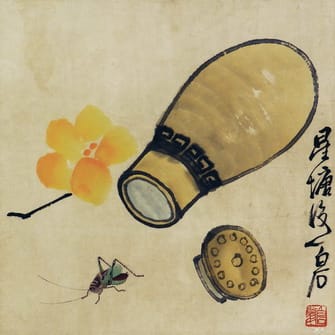
While crickets are often kept as pets in Western cultures, their short lifespans and specific care requirements make them more common as feeder insects. In contrast, Chinese tradition elevates the cricket to a symbol of cultural significance, highlighting a major divide in how these insects are perceived globally.
The Dual Identity of the Common Cricket
In modern Western households, the cricket is increasingly viewed through a utilitarian lens. While some hobbyists keep them as pets in small, transparent terrariums, their role is largely overshadowed by their utility as a primary food source for exotic animals. Providing a habitat requires at least two inches of soil for burrowing and artificial shelters like egg-crate shells, yet the inherent fragility and short life cycle of the insect often relegate them to the background of the pet trade.
The Lifecycle Constraint
A primary factor limiting the popularity of the cricket as a long-term companion in the West is its biological timeline. From egg to imago, the development process takes only one to two months, followed by a brief adult lifespan of approximately one month. This rapid turnover necessitates constant replacement of the colony, whether through captive breeding or wild collection, making them less appealing as stable, long-term pets compared to more traditional choices.
Industrial Utility vs. Domestic Companionship
Due to their ease of breeding and rapid growth rates, crickets have become a cornerstone of the pet industry as an inexpensive, nutrient-dense food source for birds, reptiles, and spiders. This industrial-scale production has cemented their status in the Western market as 'feeder' insects rather than sentient companions. The necessity of maintaining a constant supply for predatory pets reinforces the perception of crickets as a commodity rather than a household pet.
Cross-Cultural Divergence
There exists a stark contrast between this Western utilitarian view and the rich, historical tapestry of Chinese cricket culture. While the West focuses on the cricket’s life cycle as an obstacle to pet ownership, Chinese tradition has long celebrated the cricket for its song and its role in competitive sport. This cultural divide illustrates how geography and history dictate the value placed on even the smallest of creatures.
Future Trends and Perspectives
As interest in sustainable protein sources and entomophagy grows, the perception of crickets may undergo a shift. However, for the average hobbyist, the logistical burden of the cricket's short lifespan suggests that their primary role will remain tied to industrial feeder production. Future trends in pet care will likely continue to prioritize animals with longer lifespans, leaving the cricket to occupy its dual role as a biological curiosity and a dietary staple for larger exotic pets.