When Will Crude Oil Prices Stabilize?
Source Entity
Yahoo Finance
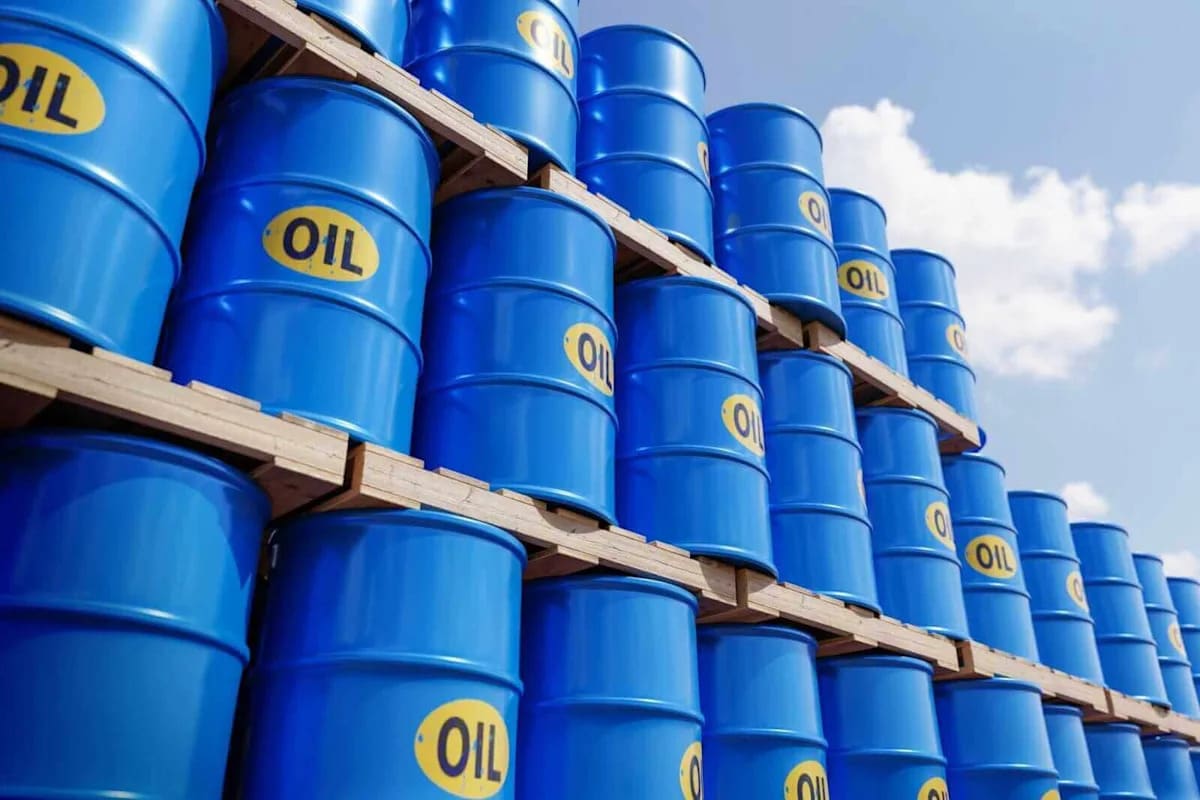
Crude oil prices remain volatile as U.S.-Iran tensions fluctuate between diplomatic efforts and regional military escalations. While prices retreated from July peaks, ongoing geopolitical uncertainty continues to threaten market stability.
The Volatility of Global Energy Markets Amid U.S.-Iran Tensions
The Direct Link Between Geopolitics and WTI Futures
The recent trajectory of West Texas Intermediate (WTI) crude oil futures serves as a stark reminder of how sensitive global energy markets are to Middle Eastern geopolitical instability. When tensions between the United States and Iran escalated—characterized by periodic Iranian attacks and retaliatory strikes against neighboring countries hosting U.S. military infrastructure—the market reacted with significant volatility. On July 23, this uncertainty drove WTI futures up by 39.5%, reaching a peak of $93.50 per barrel. This rapid price appreciation illustrates the 'risk premium' that energy traders immediately price into the market whenever the prospect of supply chain disruptions in the Persian Gulf emerges.
Diplomatic Efforts and Economic Deterrence
By late August 2026, the price of crude had moderated to approximately $81.75 per barrel, reflecting a period where the U.S. administration opted to prioritize diplomacy and the enforcement of severe economic sanctions over immediate kinetic action. This shift in strategy highlights the delicate balance policymakers must maintain: the desire to deter Iranian aggression without triggering an uncontrollable regional conflict that could choke off vital oil transit chokepoints. The decline from the July peak suggests that the market initially priced in a worst-case scenario that has, thus far, been averted by active diplomatic engagement.
The IRGC Perspective and the Perception of Patience
A significant challenge to this stabilization effort is the conflicting signal emanating from the Islamic Revolutionary Guard Corps (IRGC). There is evidence to suggest that the IRGC has interpreted U.S. restraint as a sign of weakness, potentially emboldening them to continue or escalate their regional activities. This perception gap creates a dangerous feedback loop where diplomatic patience is viewed not as a virtue, but as a strategic opening, thereby threatening the fragile de-escalation that has allowed oil prices to pull back from the $90+ range.
Technical Market Indicators and Historical Context
Looking at the daily continuous NYMEX futures contract, the market has exhibited a pattern of lower highs and lower lows following the peak recorded on March 9. This technical trend was largely catalyzed by coordinated U.S. and Israeli actions against Iranian interests. These market movements reinforce the historical reality that energy prices are rarely governed by supply and demand fundamentals alone; rather, they are heavily influenced by the 'on-again-off-again' nature of conflict in the Middle East, which keeps investors in a perpetual state of vigilance.
Future Outlook and Market Stability
Looking ahead, the stabilization of crude oil prices remains contingent upon whether the current diplomatic framework can overcome the IRGC’s confrontational posture. If the cycle of attacks continues, the volatility seen in July could easily return. However, if the current sanctions regime and diplomatic pressure succeed in curbing regional hostilities, we may see a period of sustained price consolidation. Investors and global economies must remain prepared for continued fluctuation, as the underlying drivers of this conflict remain unresolved.