Cyclospora fears lead consumers to lose their appetite for salads
Source Entity
US Top News and Analysis
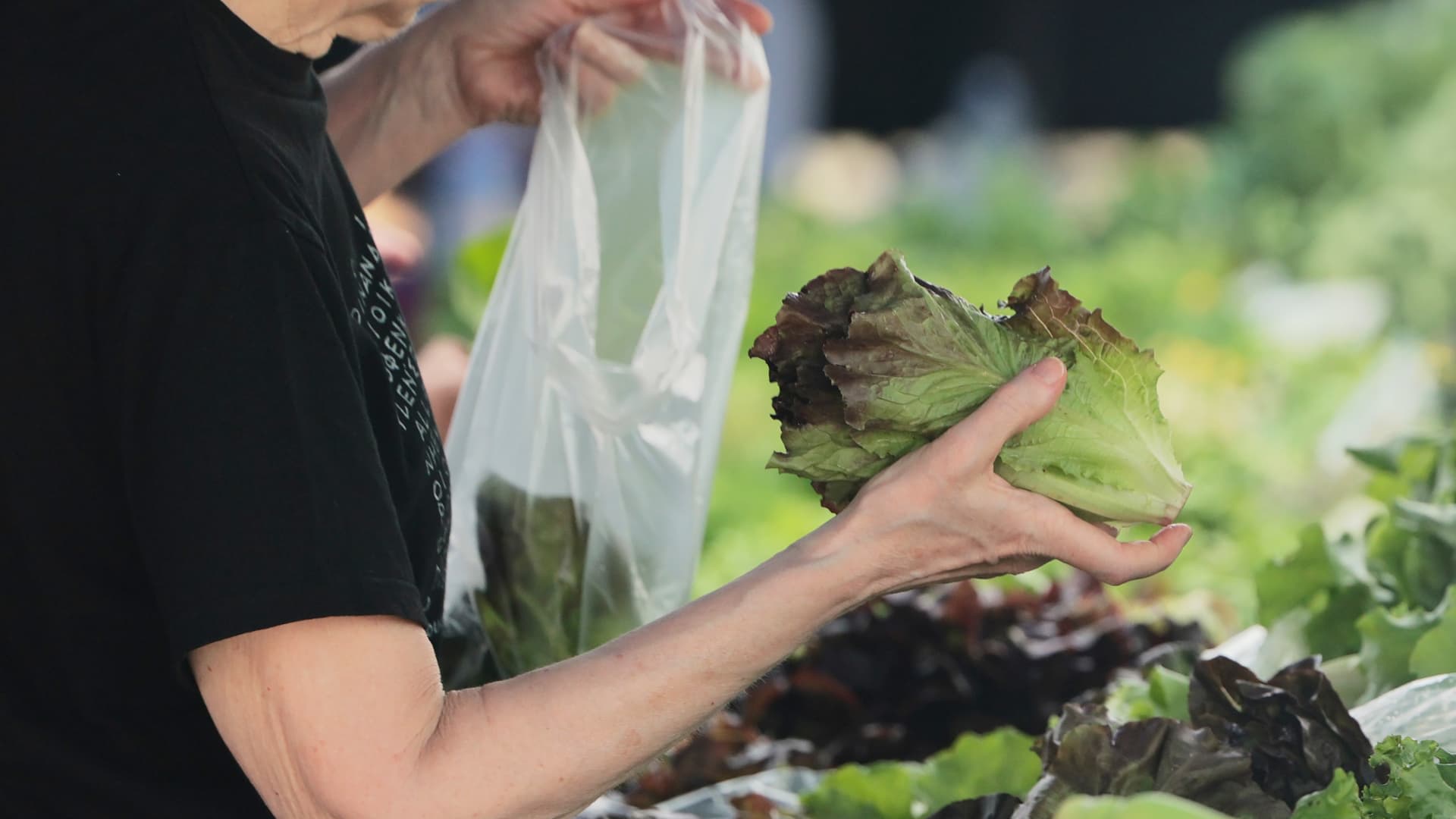
Ongoing Cyclospora outbreaks have significantly impacted the U.S. salad industry, causing sharp declines in foot traffic and sales for major chains. Companies like Sweetgreen have lowered financial outlooks, while Salad and Go has filed for bankruptcy amid the consumer shift away from leafy greens.
The Impact of Foodborne Illness on the Salad Industry
A Summer of Stagnation for Fresh Greens
Typically, the summer months represent the peak season for the salad industry, as warmer weather historically drives consumer demand toward lighter, fresh produce. However, the current summer has been marked by a significant shift in consumer behavior driven by fear. Widespread reports of Cyclospora outbreaks across the United States have created a climate of uncertainty, leading many patrons to actively avoid lettuce and prepackaged salads. This shift is not merely anecdotal; it is reflected in tangible data that highlights the fragility of food-service business models when public health concerns arise.
Quantifying the Decline in Traffic and Sales
Data provided by Placer.ai underscores the immediate and severe impact of health warnings on consumer habits. Following an announcement by the Food and Drug Administration (FDA) regarding the Cyclospora outbreak, traffic to Chopt Creative Salad Co. locations plummeted by 24% on July 18 alone. This rapid decline indicates that consumers are highly reactive to federal health alerts, prioritizing safety over convenience or dietary preferences when news of contamination breaks.
Corporate Financial Repercussions
The financial fallout extends beyond simple foot traffic. Sweetgreen, a prominent player in the salad sector, reported that concerns regarding the outbreak accounted for a 6 percentage point impact on same-store sales throughout July. Consequently, the company was forced to revise its full-year outlook downward, signaling to investors that the health crisis has tangible, long-term fiscal implications for the industry. This adjustment highlights how quickly a public health event can disrupt corporate growth trajectories and shareholder value.
The Collapse of Salad and Go
Perhaps the most dramatic indicator of the industry's instability is the recent bankruptcy filing of Salad and Go. The company cited the Cyclospora outbreak as a factor that exacerbated pre-existing business challenges, ultimately leading to the closure of all its locations. This event serves as a stark reminder that smaller or more vulnerable chains may lack the capital or brand resilience to weather both market competition and sudden, health-related drops in consumer demand.
Broader Implications for Grocery and Retail
The crisis is not confined to quick-service restaurants; the grocery sector is also feeling the strain. Dollar sales for prepackaged salads experienced a 14% plunge during the four-week period ending July 25. This suggests a widespread loss of consumer trust in the safety of the supply chain, as shoppers retreat from both prepared salad meals and raw produce aisles. As retailers and restaurants grapple with this decline, the industry must focus on restoring confidence through enhanced transparency and rigorous safety protocols to regain the market share lost during this turbulent summer.