UPI stays free for users, vast majority of transactions to remain free for merchants as well, says government
Source Entity
India Latest News: Top National Headlines Today & Breaking News | The Hindu
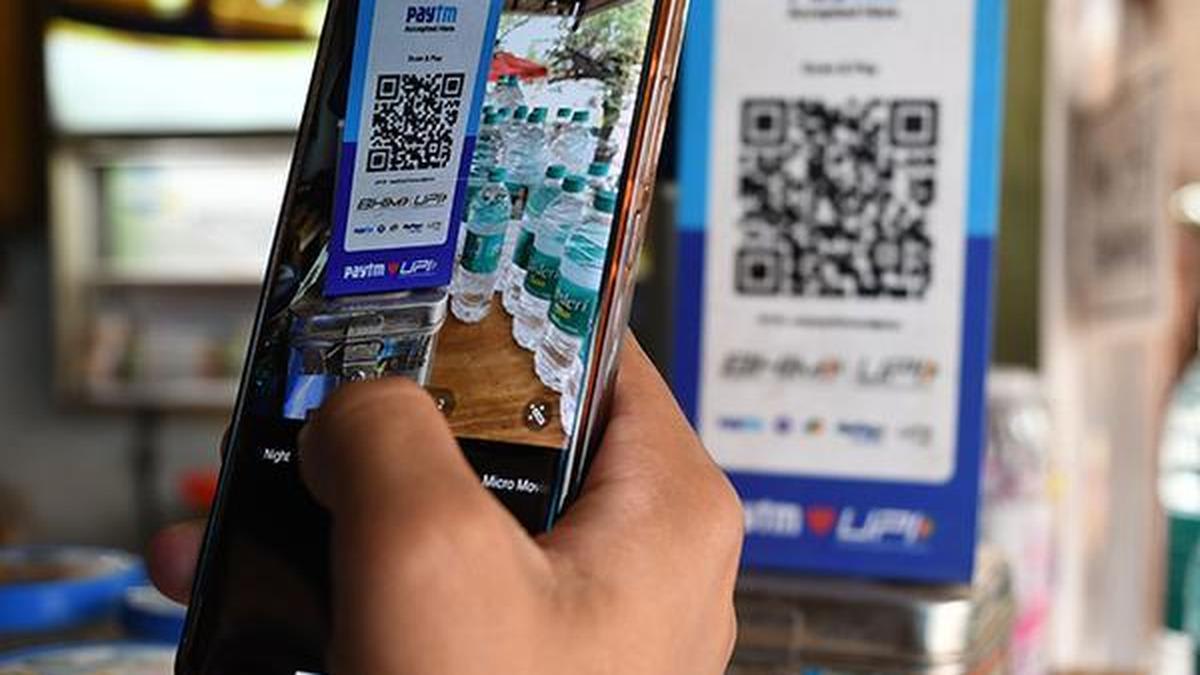
The Indian government has officially confirmed that UPI transactions will remain free for users and most merchants. Any future merchant discount rates would only target a limited set of high-value transactions at nominal, competitive rates.
Government Reaffirms Commitment to Free UPI Transactions
On August 8, 2026, the Indian government issued a definitive clarification regarding the Unified Payments Interface (UPI), aiming to quell growing market speculation and public anxiety surrounding potential transaction fees. By explicitly stating that UPI remains free for end-users and the vast majority of merchants, the administration has sought to protect the momentum of India’s digital payment ecosystem, which has become the backbone of the nation's informal and formal economy.
Contextualizing the Regulatory Clarification
The confusion stemmed from recent amendments to the Payment and Settlement Systems Act, 2007. These legislative updates inadvertently sparked a public debate, with many stakeholders fearing that the government might move toward a Merchant Discount Rate (MDR) model similar to traditional credit and debit card networks. By addressing these concerns directly, the government has signaled that the policy priority remains the expansion of financial inclusion rather than immediate revenue generation through transaction fees.
The Future of Merchant Discount Rates (MDR)
While the government has maintained the status quo, it has provided a nuanced framework for how potential future charges might look. If an MDR is ever introduced, the government has guaranteed it will be limited to a specific subset of high-value merchant transactions. This threshold-based approach ensures that small-scale vendors and everyday consumers remain insulated from the costs of maintaining digital infrastructure, distinguishing UPI from the more expensive legacy payment rails.
Economic Implications and Market Stability
By promising that any future MDR will be lower than typical debit and credit card fees, the government is effectively incentivizing the continued adoption of UPI over traditional plastic cards. This policy choice reflects a strategic desire to reduce the cost of digital acceptance for merchants, thereby encouraging more businesses to transition into the formal tax net. This stability is crucial for the millions of small and medium enterprises that rely on UPI to facilitate daily commerce.
Protecting Person-to-Person Transfers
The government's explicit guarantee that all person-to-person (P2P) UPI transactions will remain entirely free is a significant pillar of its digital economy strategy. P2P transfers have become the primary method for remittances, social transfers, and household payments across India. By keeping these free, the government ensures that the network effect of UPI continues to grow without the friction of transaction costs, which could otherwise discourage adoption among lower-income demographics.
Conclusion and Future Outlook
In summary, the government's intervention serves as a necessary anchor for market expectations. By balancing the need for sustainable digital infrastructure with the mandate for financial accessibility, the current policy framework avoids the pitfalls of premature monetization. As India continues to lead the global stage in real-time retail payments, this commitment to a free-to-use architecture will likely remain a cornerstone of the nation’s ongoing digital transformation.
Verification Required?