Who is D4vd's new defense lawyer Walid Fouad Kandeel? Singer turns to public defender after losing Blair Berk
Source Entity
Latest News: Todays Latest News Headlines from India & World | Hindustan Times | Hindustan Times
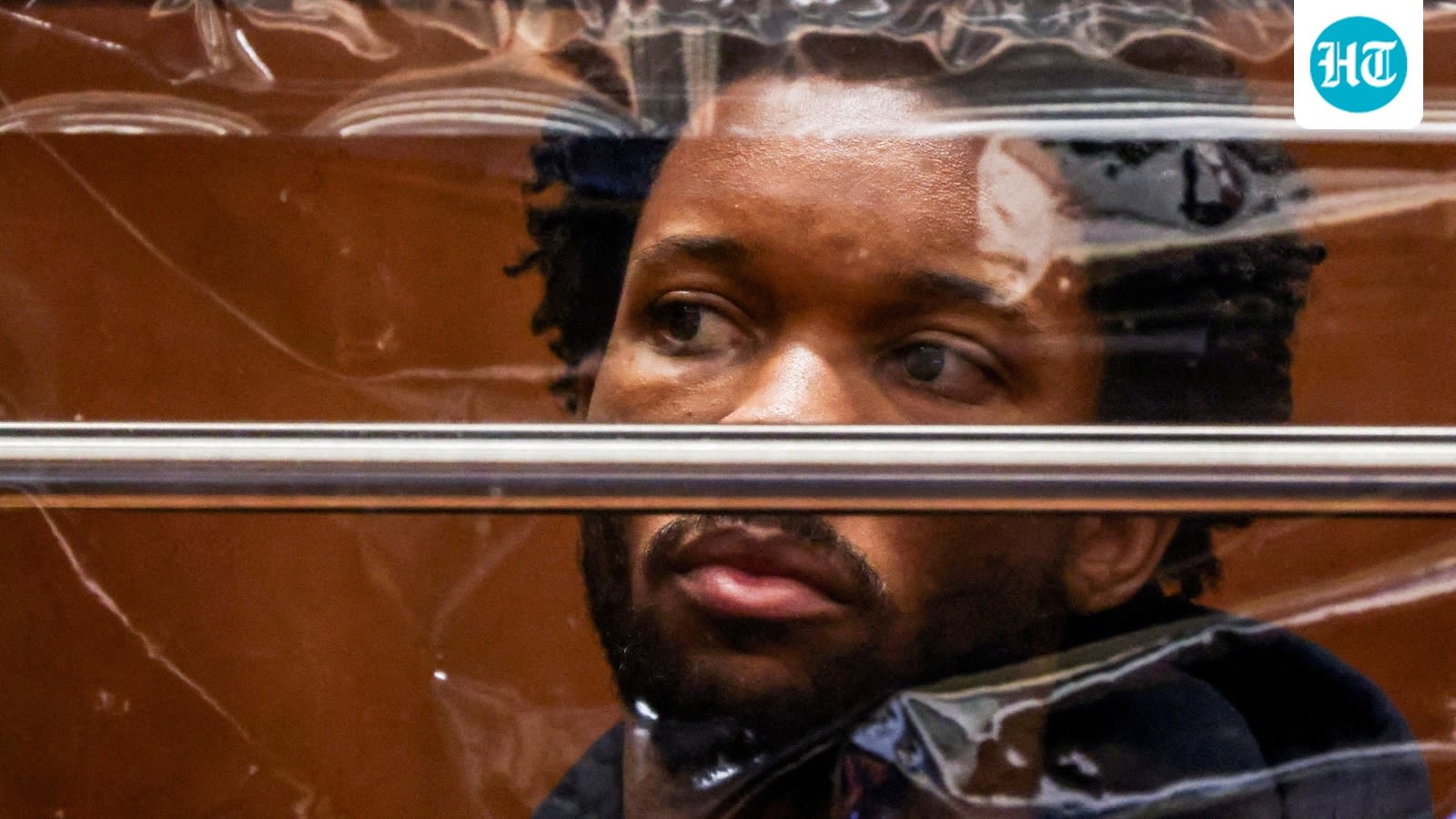
Singer David Anthony Burke, known as D4vd, has transitioned to public defense representation following the withdrawal of his high-profile private legal team. The 21-year-old faces serious charges regarding the death of 14-year-old Celeste Rivas Hernandez in Los Angeles.
Legal Transition in the D4vd Murder Case
The legal proceedings concerning David Anthony Burke, the 21-year-old singer professionally known as D4vd, have reached a significant turning point in the Los Angeles Superior Court. During a recent appearance before Judge Charlaine Olmedo, it was confirmed that Burke is parting ways with his established private defense team, which previously included high-profile attorney Blair Berk, along with colleagues Marilyn Bednarski and Regina Peter. This shift in counsel marks a pivotal moment in a case that has garnered substantial public and media attention.
The Role of Public Defense
Following the departure of his private counsel, Burke has been assigned Walid Fouad Kandeel, a Deputy Public Defender with the Los Angeles County Public Defender’s Office. In the American judicial system, the transition from private to public representation is a significant procedural change. While private attorneys are retained through personal financial means, the public defender system is designed to uphold the constitutional right to legal counsel for those who may no longer have, or choose not to utilize, private representation, ensuring that the defendant's rights remain protected throughout the trial process.
Understanding the Charges
The underlying gravity of this case stems from the charges filed against Burke, which involve the killing and dismemberment of 14-year-old Celeste Rivas Hernandez. The nature of these allegations has placed the case under intense scrutiny, as the court navigates the complexities of a high-stakes criminal proceeding. The withdrawal of a private team of the caliber of Berk, Bednarski, and Peter—who are known for handling complex, high-profile litigation—leaves observers and legal analysts speculating on the internal dynamics and strategic shifts that often precede such a change in representation.
Judicial Oversight and Procedure
During the recent arraignment at the Clara Shortridge Foltz Criminal Justice Center, Judge Charlaine Olmedo ensured that the change in counsel was explicitly confirmed by the defendant himself. By directly asking, “Is that your wish, Mr. Burke?” and receiving an affirmative response, the court documented the voluntary nature of the transition. This procedural rigor is essential in maintaining the integrity of the record, particularly in cases involving severe criminal allegations where the quality and continuity of legal defense are paramount.
Broader Implications and Future Outlook
As Kandeel steps into the role of lead counsel, the trajectory of the defense strategy may undergo a comprehensive review. The transition to a Deputy Public Defender does not diminish the complexity of the trial, but rather shifts the resources and legal approach behind Burke’s defense. Moving forward, the court will likely focus on discovery, evidentiary motions, and setting a timeline for trial. The legal community will be watching closely to see how this transition impacts the timeline of the proceedings and the eventual presentation of the defense’s case in what remains a deeply sensitive and tragic matter for the family of Celeste Rivas Hernandez.
Verification Required?