The influence of Dalit voters in Uttar Pradesh
Source Entity
India Latest News: Top National Headlines Today & Breaking News | The Hindu
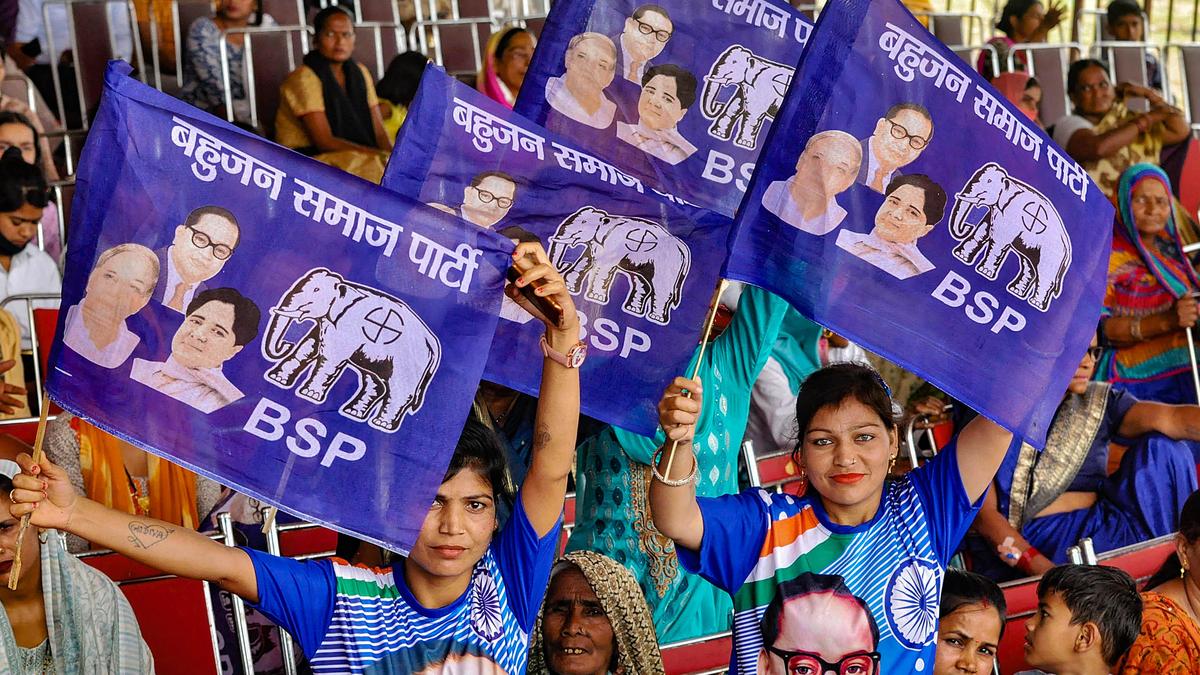
Political parties are actively courting Dalit voters in Uttar Pradesh ahead of the 2027 assembly elections. While the BSP remains a traditional choice, the BJP is making inroads among non-Jatav communities, prompting strategic shifts from other parties like the Congress.
The Strategic Pivot: Dalit Politics in Uttar Pradesh
As the political landscape in Uttar Pradesh begins to solidify ahead of the 2027 Assembly elections, the mobilization of the Dalit electorate has once again emerged as a central pillar of campaign strategy. With over six months remaining until the polls, political entities are scanning for symbolic and substantive issues that can consolidate their base or fracture their opponents' support. The recent events at the Ramlila Ground in Haldwani, involving a rally addressed by Congress President Mallikarjun Kharge followed by a controversial 'shuddhikaran' (purification) ritual, have become a focal point of this early political maneuvering.
The Shifting Dynamics of Dalit Allegiance
Historically, the Bahujan Samaj Party (BSP) has been the preeminent political home for Dalit voters in Uttar Pradesh. However, the current electoral environment suggests a significant fragmentation of this traditional loyalty. The Bharatiya Janata Party (BJP) has been systematically gaining ground within the state, with a specific focus on the non-Jatav Dalit sub-castes. This demographic shift represents a broader trend in Indian politics where the monolith of 'Dalit identity' is being challenged by smaller, sub-caste-specific political alignments that prioritize localized representation over broad ideological appeal.
Congress and the Struggle for Relevance
For the Congress party, the challenge is twofold: overcoming a diminished footprint and re-establishing trust within a community that has largely migrated to other regional players. By highlighting the 'shuddhikaran' controversy, Congress is attempting to frame the narrative around social justice and the indignity of caste-based discrimination. While the party acknowledges that its current Dalit support base in Uttar Pradesh is relatively minuscule, the tactical focus on this incident indicates an attempt to leverage symbolic politics to expand its appeal among marginalized groups who feel alienated by current power structures.
The Question of Vote Transferability
Beyond the headline-grabbing rallies, the critical analytical question for the 2027 cycle remains the 'transferability' of the Dalit vote. In previous decades, the BSP possessed a high degree of organizational control over its voter base, allowing for predictable block voting. Today, that influence has waned, leading to a more volatile electoral environment. Political analysts must consider whether the Dalit electorate will continue to vote as a collective bloc or if the internal fissures within the community—particularly the distinction between Jatav and non-Jatav interests—will lead to a highly contested and fragmented outcome.
Future Trends and Electoral Projections
Looking toward 2027, the trend of micro-targeting sub-castes will likely intensify. As parties compete for the non-Jatav vote, we can expect a surge in promises related to social welfare, infrastructure development in Dalit-dominated areas, and the appropriation of historical symbols. The ability of any party to synthesize these disparate demands into a coherent platform will determine the final tally. Ultimately, the battle for Uttar Pradesh will be defined by which party can best navigate the complex intersection of historical caste grievances and modern aspirations for socio-economic mobility.
Verification Required?