‘Notices going almost mechanically’: CJI-led bench asks EC to address SIR concerns among voters
Source Entity
Latest News: Todays Latest News Headlines from India & World | Hindustan Times | Hindustan Times
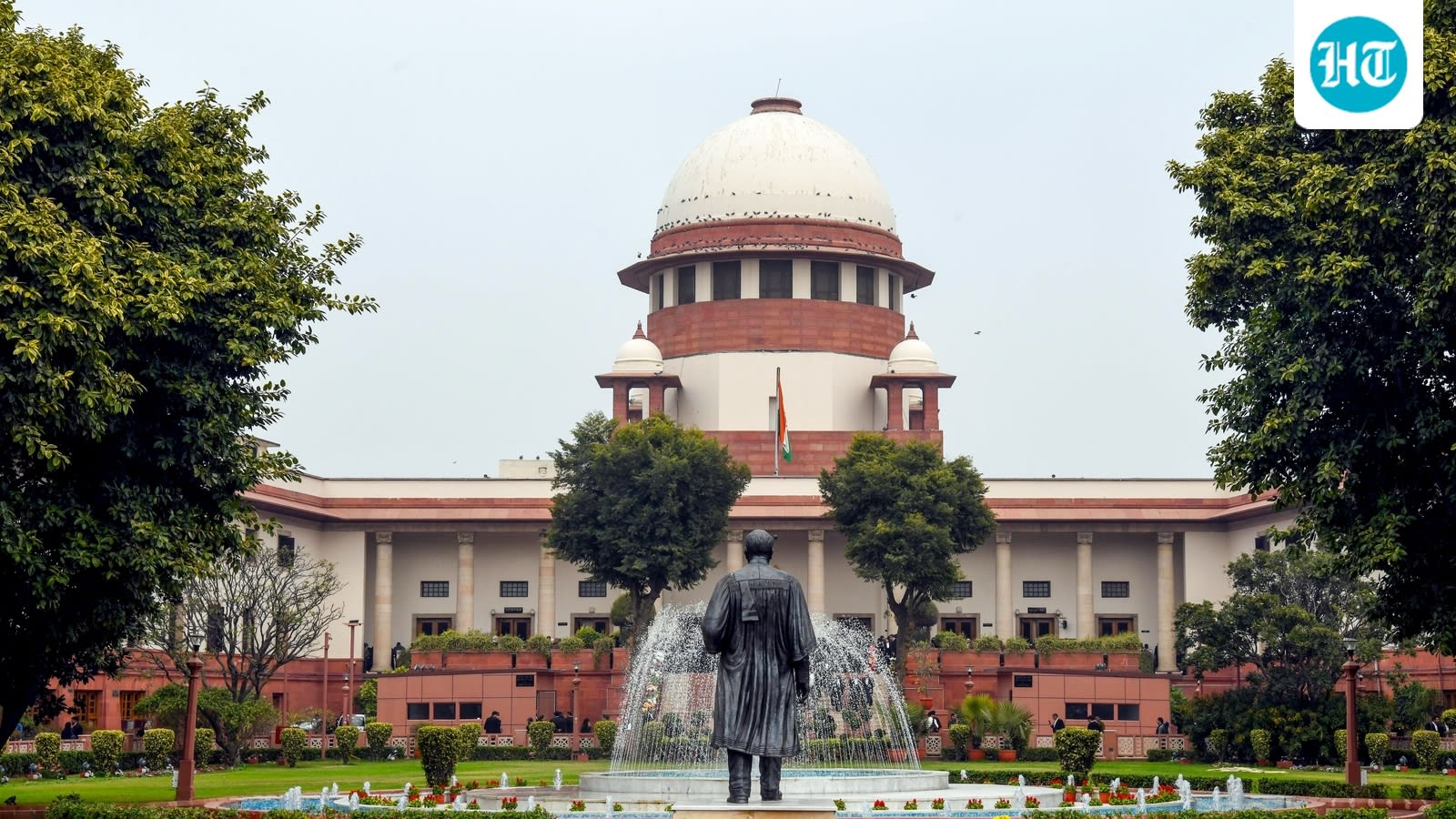
The Supreme Court of India has criticized the Election Commission for issuing machine-generated notices to over 33 lakh Delhi voters citing 'logical discrepancies.' The court questioned the lack of clarity provided to citizens, while the ECI clarified that a notice does not equate to immediate deletion from electoral rolls.
Judicial Scrutiny of Delhi's Electoral Roll Revision
The Supreme Court of India has recently intervened in the administrative process of the Special Intensive Revision (SIR) of electoral rolls in Delhi. A three-judge Bench, led by Chief Justice Surya Kant and including Justices Joymalya Bagchi and V. Mohana, expressed significant concern regarding the issuance of notices to over 33 lakh voters. These notices, triggered by vague reasons such as 'logical discrepancies' or 'no mapping' with previous records, have sparked a legal and political firestorm regarding the integrity of the voter registration process.
The 'Machine-Generated' Critique
During the proceedings, Justice Joymalya Bagchi characterized the notices as appearing 'machine-generated' and lacking the necessary human oversight. The core of the judiciary's concern lies in the ambiguity of the terminology used by the Election Commission of India (ECI). Petitioners have argued that the ECI failed to define what constituted a 'logical discrepancy,' leaving millions of citizens confused and unable to effectively address the claims against their registration status.
ECI's Stance and Political Implications
The Aam Aadmi Party (AAP) has been at the forefront of questioning the SIR process, particularly in light of reports that the draft electoral roll excluded approximately 47 lakh names. In response to the growing public and political pressure, the ECI has issued a clarification, emphasizing that the receipt of a notice does not automatically imply the deletion of a name from the electoral roll. This distinction is vital for maintaining public trust in the democratic process, as it suggests the notice is intended to initiate a verification process rather than act as a final punitive measure.
Broader Implications for Electoral Integrity
The scale of this issue—impacting millions of voters—highlights the complexities of digitizing and maintaining massive electoral databases. When automated systems flag records, the lack of transparent, user-friendly communication can lead to mass disenfranchisement. The Supreme Court's demand that the ECI consider additional filters and human review suggests a shift toward requiring higher standards of administrative accountability in digital governance.
Path Forward and Conclusion
As the ECI prepares to address the Court's directives, the challenge remains to balance the necessity of cleaning electoral rolls with the fundamental right to vote. The judiciary’s insistence on clarity and the removal of 'mechanical' processes marks a significant check on administrative power. Moving forward, the ECI must refine its communication protocols to ensure that every citizen understands the nature of discrepancies in their records, thereby safeguarding the electoral process against both technical error and potential systemic bias.
Multiple Citing Sources
Verification Required?