Dark patterns, last-minute add-on charges: How online transactions hit your wallet at checkout
Source Entity
Soumyarendra Barik, Anil Sasi
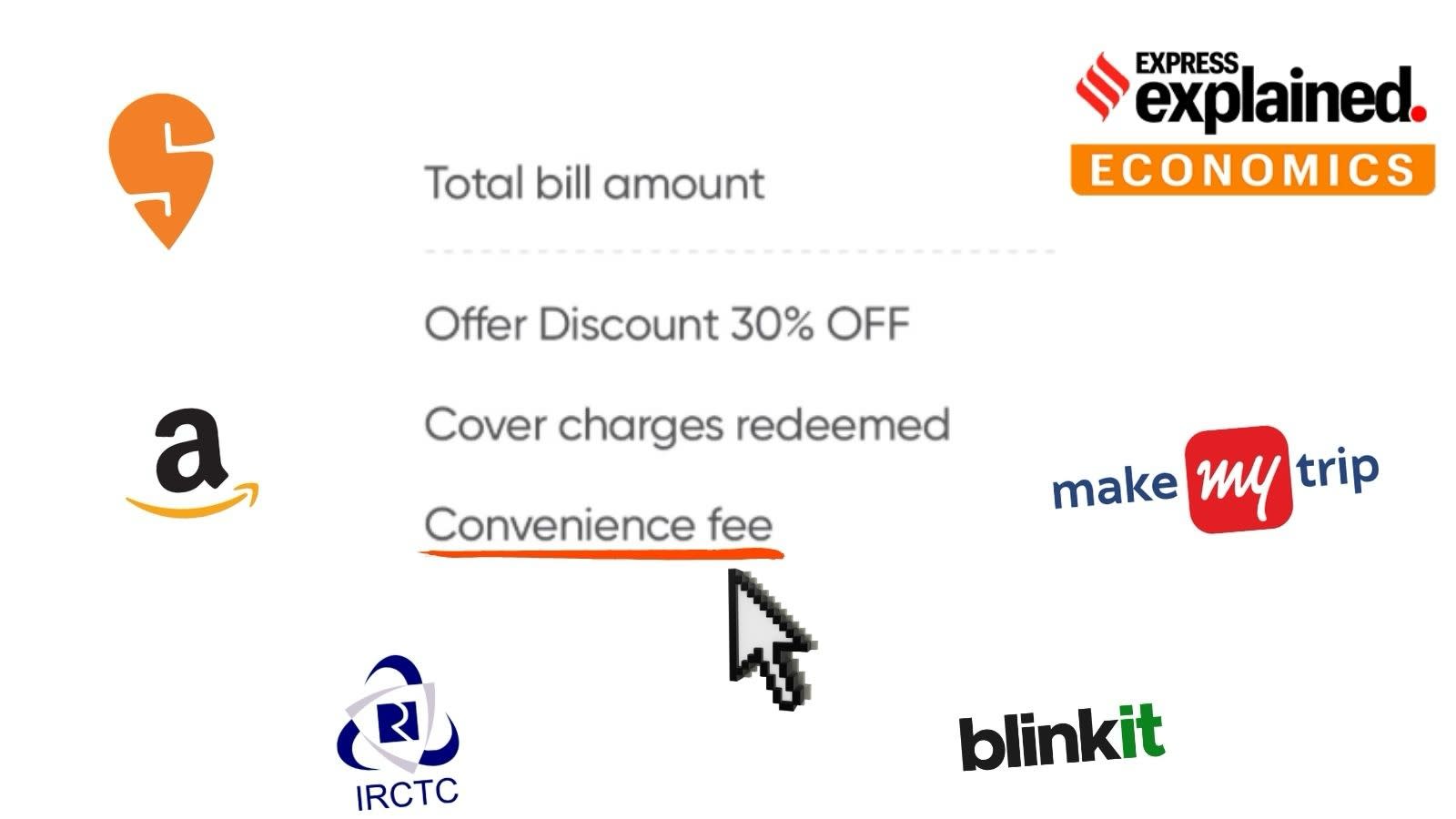
Online platforms are increasingly utilizing hidden 'dark patterns' and non-transparent fees to inflate transaction costs. These practices risk undermining consumer trust and the broader growth of India's digital economy.
The Hidden Costs of Digital Convenience
The landscape of Indian e-commerce is facing a significant reckoning as consumers and regulators alike scrutinize the proliferation of 'platform fees' and 'convenience charges.' What began as a niche experiment—specifically Swiggy’s introduction of a nominal Rs 2 surcharge three years ago—has rapidly metastasized into a standard industry practice. Today, these add-on costs are ubiquitous across food delivery, grocery apps, entertainment ticketing, and travel booking platforms, fundamentally altering the perceived price of digital transactions.
The Mechanics of 'Dark Patterns'
The true concern lies not just in the existence of these fees, but in the deceptive architecture used to levy them. Known as 'dark patterns,' these user-interface design choices are intentionally crafted to obfuscate the final cost of a purchase until the very last stage of the checkout process. By burying these charges, platforms effectively trap consumers who have already invested the time to curate their carts, making them significantly more likely to accept the hidden costs rather than abandon the transaction entirely.
Impact on India’s Digital Ecosystem
These practices stand in direct contradiction to the national objective of fostering a frictionless digital economy. While the Merchant Discount Rate (MDR) on UPI transactions has been a focal point of debate, the rise of opaque platform fees threatens to erode the very trust that drove India’s digital adoption. When consumers feel that the final price at checkout deviates significantly from the advertised rate, the psychological barrier to online shopping increases, potentially stalling the growth of the digital marketplace.
Regulatory and Consumer Implications
The normalization of adding services without explicit user consent represents a dangerous precedent in consumer protection. By automating the inclusion of additional items or fees, platforms are exploiting consumer inertia. This necessitates a robust regulatory framework that mandates price transparency, ensuring that the total cost is visible from the onset of the transaction rather than revealed as a surprise during payment.
Future Outlook for E-commerce
As the industry matures, the reliance on such 'add-on' revenue streams may prove counterproductive. If platforms continue to prioritize short-term revenue gains through obfuscation, they risk inviting stringent government oversight and a long-term decline in brand loyalty. A shift toward transparent pricing models will be essential for these companies to maintain their market position and support the sustainable expansion of India’s digital infrastructure.