Property Play: Data center construction costs soar 13% in 2026
Source Entity
US Top News and Analysis
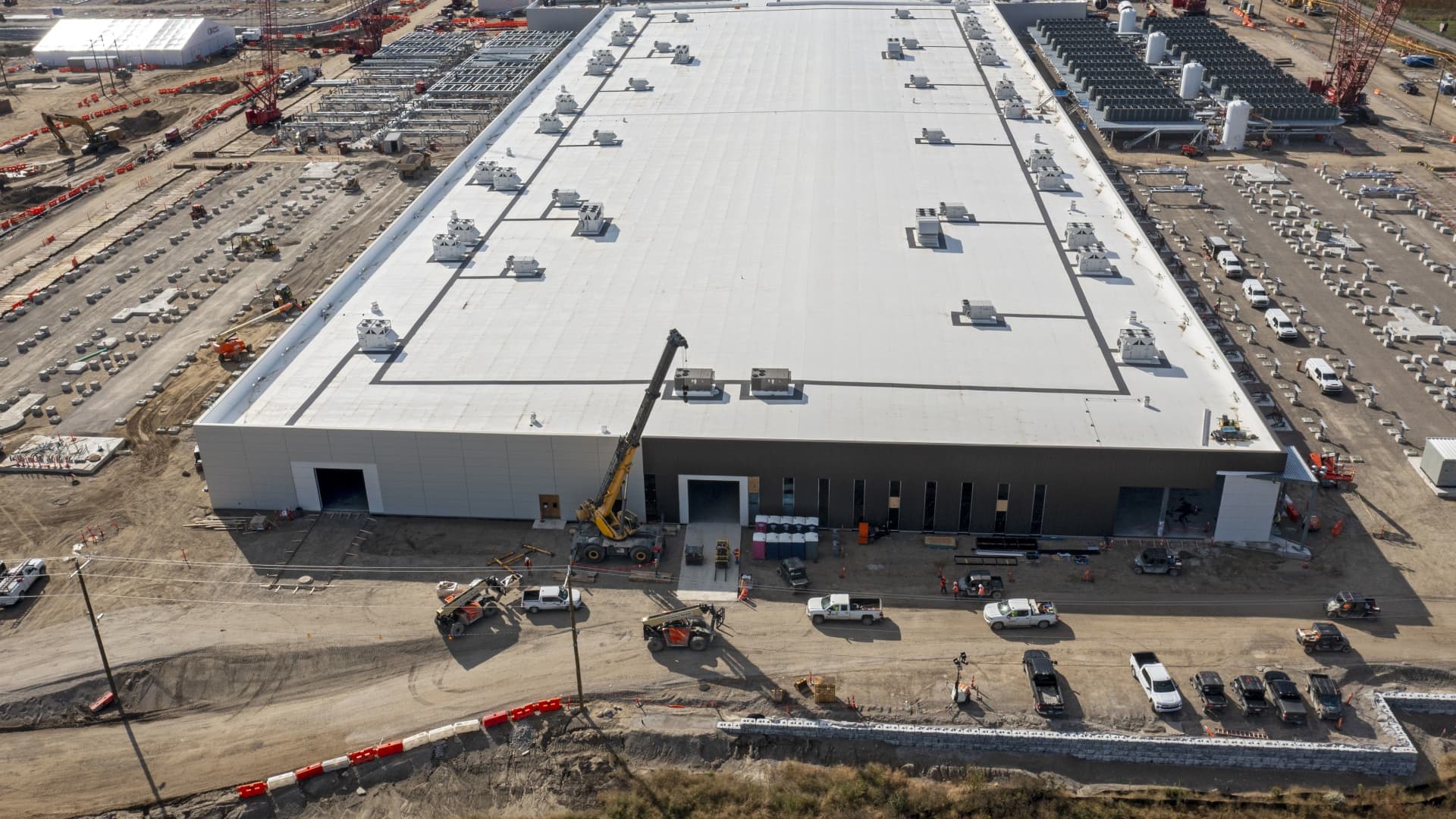
Surging demand for AI-driven data center infrastructure has outpaced supply, leading to a 13% increase in construction costs across the U.S. This trend reflects critical shortages in powered land and skilled labor, significantly impacting project timelines and investment risk.
The Infrastructure Bottleneck: Why Data Center Costs Are Skyrocketing
The AI-Driven Construction Surge
The rapid proliferation of artificial intelligence has fundamentally altered the commercial real estate landscape in the United States. As corporations scramble to secure the computing power necessary to train and deploy large language models, the demand for large-scale data centers has eclipsed the existing supply of available infrastructure. This hunger for digital real estate is not merely a trend but a structural shift in the global economy, directly resulting in a 13% year-over-year increase in construction costs for 2026.
Supply Chain and Labor Constraints
The primary drivers behind these escalating costs are the severe limitations in 'powered land'—sites equipped with the necessary electrical grid access—and a tightening labor market. Building a hyperscale data center is a complex endeavor that requires specialized engineering talent and massive energy throughput. When demand outstrips the availability of these specific site requirements, the resulting competition drives up prices for materials, site acquisition, and specialized labor, pushing costs in the U.S. to more than double the global average.
Impact on Timelines and Project Risk
For contractors and project managers, these constraints have introduced unprecedented volatility into the development cycle. According to reports from Turner & Townsend, the current market environment has significantly lengthened project timelines. Extended construction schedules increase the exposure to interest rate fluctuations and supply chain disruptions, forcing investors and developers to re-evaluate the risk-reward profile of new data center projects.
Implications for Real Estate Investors
The 'Property Play' context highlights that this surge is not limited to institutional giants but affects a broad spectrum of stakeholders, including private equity funds, family offices, and venture capitalists. As the cost to build rises, the barrier to entry for new players increases, potentially favoring established firms with existing land banks and long-term energy utility agreements. Investors must now navigate a landscape where the scarcity of shovel-ready sites is the most significant hurdle to capital deployment.
Future Trends and Outlook
Looking ahead, the tension between AI development and infrastructure capacity is likely to persist. Unless there is a significant breakthrough in energy distribution or a stabilization in the skilled labor market, the premium on data center construction is expected to remain high. Stakeholders will likely pivot toward retrofitting existing industrial spaces or investing in regions with more robust electrical infrastructure to mitigate the high costs associated with greenfield projects. Ultimately, the cost of building the 'physical brain' of AI is becoming a defining economic indicator of the current technological era.