Ex-Fauci adviser David Morens pleads guilty to conspiring to conceal Covid-19 records in US
Source Entity
Latest News: Todays Latest News Headlines from India & World | Hindustan Times | Hindustan Times
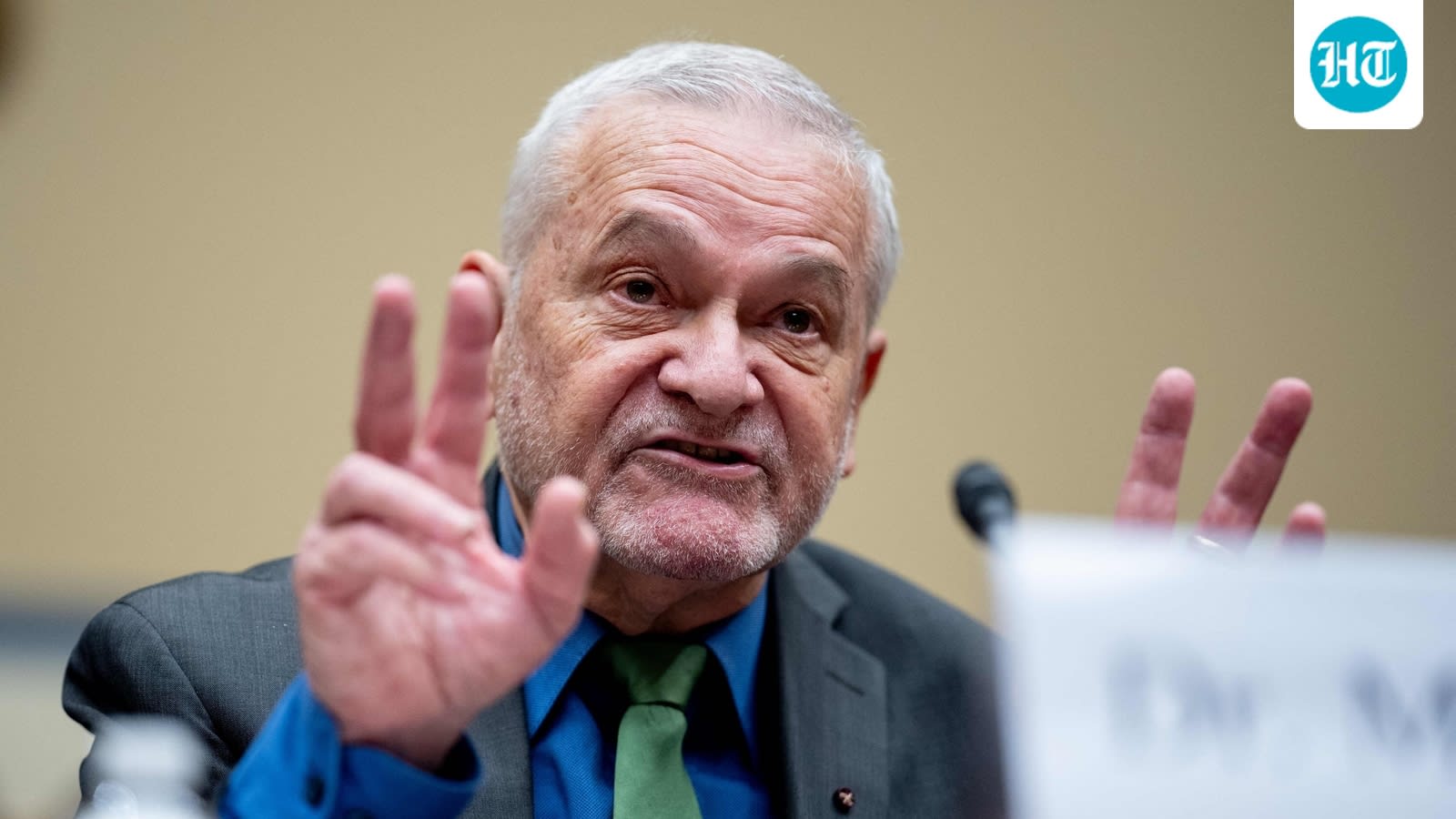
Former NIH official David Morens has pleaded guilty to conspiring to hide government records concerning COVID-19 research funding. This case highlights significant transparency issues within the National Institute of Allergy and Infectious Diseases during the pandemic.
The Legal Consequences of Concealing Pandemic Records
David Morens, a 78-year-old former senior adviser to Dr. Anthony Fauci at the National Institute of Allergy and Infectious Diseases (NIAID), has officially pleaded guilty to a conspiracy charge in a federal court in Greenbelt, Maryland. The plea marks a pivotal development in a case that centers on the deliberate evasion of public records laws during one of the most critical health crises in modern history. By admitting to this conspiracy, Morens has acknowledged his role in a calculated effort to withhold government documents related to grant research funding and the onset of the COVID-19 pandemic.
The Mechanics of the Conspiracy
The indictment, which was initially filed in April, alleged that Morens engaged in a systematic scheme to thwart Freedom of Information Act (FOIA) requests starting as early as April 2020. As a high-ranking official within the NIAID, Morens held a position of significant public trust. Prosecutors argue that he utilized his authority to obscure the paper trail regarding how research grants were managed and distributed during the pandemic. This obstruction of transparency essentially prevented the public and oversight bodies from scrutinizing the decision-making processes that governed critical scientific funding.
Impact on Public Trust and Institutional Transparency
The implications of this guilty plea extend far beyond the individual actions of a single official. During the COVID-19 pandemic, public trust in health agencies was paramount to the success of mitigation strategies. When senior officials are found to be conspiring to conceal information—particularly regarding the origins of research or the allocation of taxpayer-funded grants—it erodes the credibility of the entire public health infrastructure. This case serves as a stark reminder of the necessity for rigorous accountability within government agencies, even under the pressure of a global emergency.
Historical Context and FOIA Compliance
Federal public records laws are designed to ensure that the government remains accountable to the citizenry it serves. The FOIA process is a cornerstone of democratic governance, allowing journalists, researchers, and the public to examine the internal workings of federal agencies. By actively working to circumvent these laws, Morens undermined the very mechanism intended to provide oversight. Historically, the misuse of personal email or private channels to conduct official business—a tactic often associated with the concealment of public documents—has become a recurring subject of legal scrutiny in federal administration.
Future Trends in Administrative Accountability
Looking forward, this case is likely to spur renewed interest in how federal agencies manage and archive digital communications. There is an increasing pressure on government bodies to adopt more transparent record-keeping practices to prevent the "siloing" of information that occurred in this instance. As legal systems continue to address the intersection of digital privacy and public transparency, we may see stricter enforcement of document retention policies and potential revisions to how senior advisers interact with sensitive research data.
Conclusion
The guilty plea by David Morens is a significant milestone in the ongoing effort to hold public officials accountable for their actions during the pandemic. As the legal proceedings conclude, the focus will undoubtedly remain on the broader systemic failures that allowed such a conspiracy to take root. This case serves as a definitive case study in the dangers of prioritizing convenience or political maneuvering over the legal and ethical mandates of transparency in public office.
Verification Required?