Unauthorised construction to be demolished within 72 hrs of detection: DDA issues SOP
Source Entity
Devansh Mittal
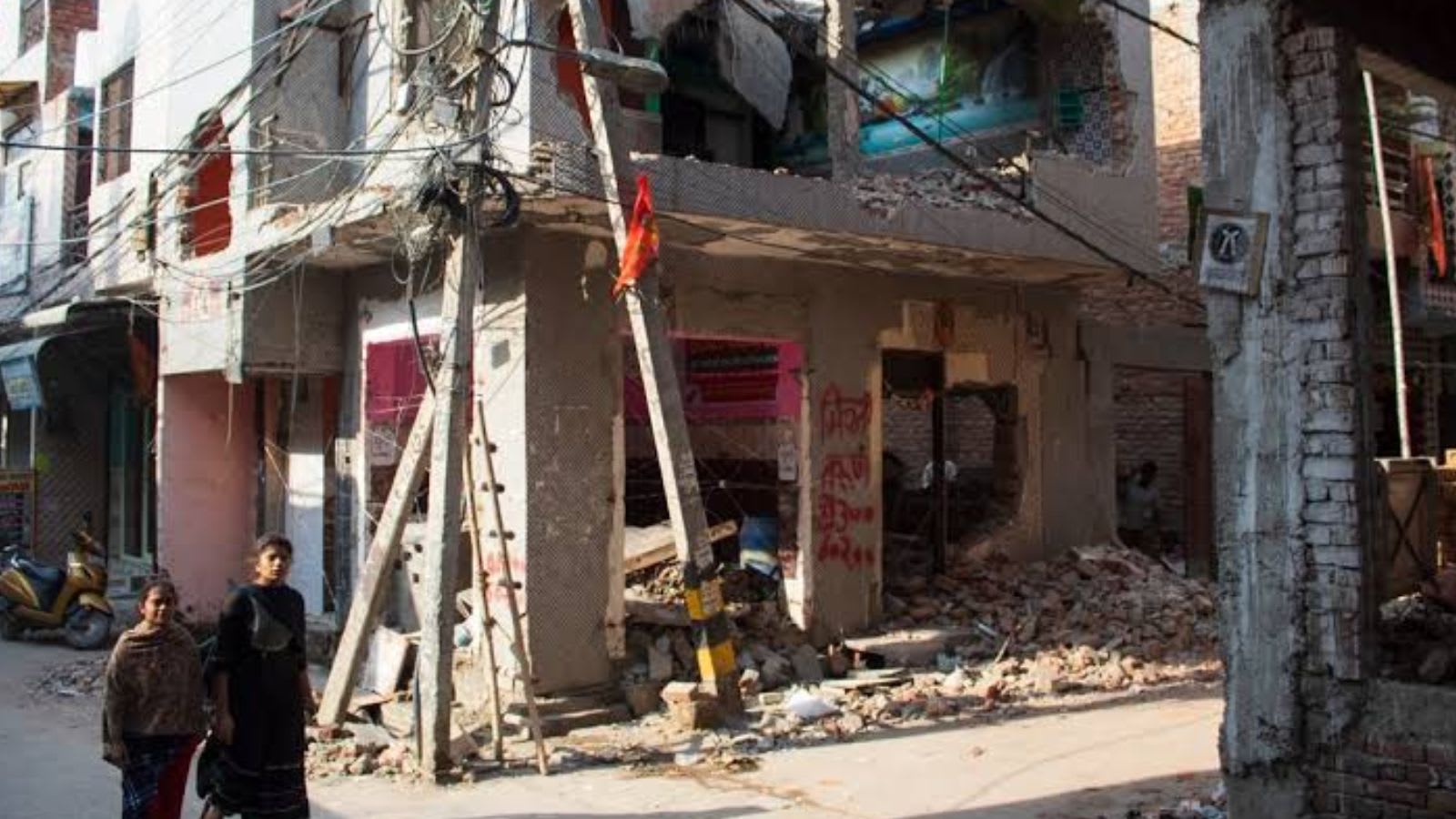
The DDA has introduced a new SOP to demolish unauthorised construction and encroachments within 72 hours of detection. (Representative image) Unauthorised construction and encroachment on Delhi Devel...
Rapid Urban Enforcement: Analyzing the DDA's 72-Hour Demolition Mandate
In a decisive move to curb the proliferation of unplanned urban sprawl and illegal land occupation, the Delhi Development Authority (DDA) has issued a stringent new Standard Operating Procedure (SOP). The core of this directive is a high-velocity enforcement mechanism: any unauthorized construction or encroachment detected on DDA land must now be demolished within a strict 72-hour window. This policy represents a significant shift from previous administrative patterns, where bureaucratic delays and prolonged notice periods often allowed illegal structures to be completed or legally entrenched before enforcement agencies could act.
The Strategy of Immediate Action
By implementing a 72-hour deadline, the DDA is attempting to eliminate the "window of opportunity" that unauthorized builders typically exploit. Historically, the gap between the detection of a violation and the actual demolition allowed owners to seek temporary stay orders from courts or simply finish the construction, making subsequent demolition more politically and socially volatile. This new SOP prioritizes rapid response, signaling a "zero-tolerance" approach to land encroachment. The administrative focus has shifted toward preemptive strikes—stopping a structure while it is still in its nascent stage—thereby reducing the cost of demolition and the potential for violent confrontations during eviction drives.
Historical Context of Delhi's Urban Struggle
To understand the necessity of such a drastic measure, one must look at the historical trajectory of Delhi's development. For decades, the DDA has struggled to implement its Master Plans against the tide of rapid migration and an acute shortage of affordable housing. This discrepancy led to the rise of "unauthorized colonies," where land was carved up and sold without official sanctions. These areas often lack basic infrastructure, such as proper sewage, fire safety access, and planned roads, creating systemic vulnerabilities across the capital. The current SOP is a direct response to the failure of slower, traditional regulatory methods to keep pace with the speed of illegal construction.
Legal and Social Implications
While the move aims for urban discipline, it is likely to trigger significant legal and social friction. The 72-hour timeframe may be challenged in courts on the grounds of "due process," with critics arguing that it leaves little room for property owners to prove ownership or appeal the detection. Furthermore, there is a critical social dimension: many of these encroachments are inhabited by the urban poor who lack access to formal housing markets. The rapid demolition of these structures without a clear rehabilitation plan could exacerbate the city's homelessness crisis and lead to intensified conflicts between the state and marginalized communities.
Broader Trends in Indian Urban Governance
This move by the DDA mirrors a broader trend seen across various Indian states, where "bulldozer justice" or rapid-response demolition has become a tool for urban management. The objective is often to clear space for infrastructure projects—such as highways and metro lines—or to reclaim public land. By streamlining the SOP, the DDA is aligning itself with a governance model that values swift execution over prolonged deliberation. This trend suggests a future where urban planning is enforced through high-visibility, rapid-action tactics designed to act as a deterrent to future violators.
Future Outlook and Predictions
Looking ahead, the success of this SOP will depend on the DDA's ability to maintain consistent enforcement without bias. If applied selectively, the policy could be viewed as discriminatory; however, if applied universally, it may force a shift in the real estate market toward legalized and approved housing. We can expect an increase in litigation in the short term as the courts define the boundaries of the "72-hour rule." In the long run, this may compel the government to accelerate the regularization of existing colonies to prevent a perpetual cycle of construction and demolition.
Conclusion
The DDA's new SOP is a bold attempt to reclaim the city's planned layout and stop the hemorrhage of public land to illegal occupants. While the efficiency of a 72-hour turnaround is administratively impressive, the ultimate victory for Delhi's urban planning will depend on whether this enforcement is paired with the creation of more accessible, affordable, and legal housing options for its residents.