I’ve spent my life defending Bihar. Jamui made it harder.
Source Entity
Vaishnawi Sinha
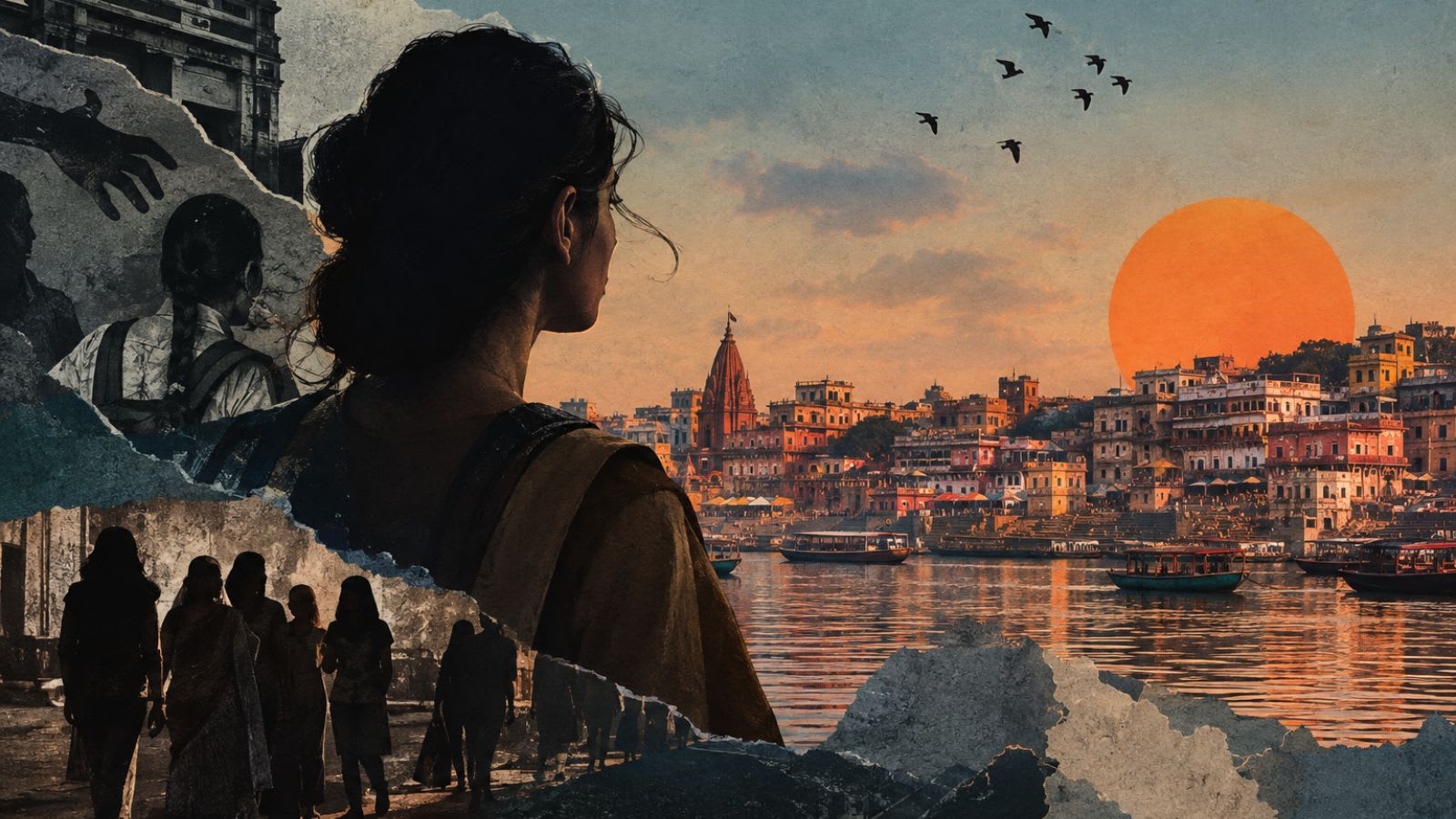
The narrative explores the personal struggle of defending Bihar against deep-seated stereotypes and caricatures. It highlights the disconnect between external perceptions of the state and the complex reality experienced by its diaspora.
The Burden of Representation: Challenging the Bihar Stigma
For decades, individuals from Bihar living outside the state have faced a persistent and often derogatory societal caricature. The common refrain—expressed through surprise when a Bihari speaks fluent English or defies regional stereotypes—serves as a painful reminder of how deeply the 'Bihari' identity has been maligned. This phenomenon is not merely an anecdotal grievance but a reflection of how cultural biases are embedded in the national consciousness, reducing a complex, historically rich state to a singular, narrow trope.
The Internal Conflict of the Diaspora
The author’s experience highlights a unique internal conflict: the need to defend a home state that one may not have lived in, but which remains culturally omnipresent. For families who migrated, Bihar exists as a lived heritage—preserved through language, culinary traditions, and familial narratives. This creates a dissonance where the private reality of a vibrant, multifaceted culture clashes with the public perception of the state as something to be mocked or pitied.
Deconstructing the 'Bihari' Caricature
The perception of 'Bihari' as a pejorative term is a systemic issue that impacts social mobility and identity formation. When the state is reduced to a 'gaali' (slur), it strips millions of their individual agency, forcing them to constantly perform or disprove a stereotype. The author’s rejection of the compliment 'you don’t look like a Bihari' is a critical stance against the idea that being Bihari is inherently synonymous with a lack of sophistication or education.
Historical Context and Regional Misconception
Historically, Bihar has been the cradle of profound intellectual and political movements, yet modern discourse often ignores this, focusing instead on economic struggles and administrative challenges. The tendency to caricature Bihar ignores the state’s complex socio-political landscape and its significant contributions to the Indian fabric. By ignoring these nuances, society perpetuates a cycle of alienation that affects those who identify with the region, regardless of their current place of residence.
Future Trends in Identity Politics
As the diaspora becomes more vocal, we are likely to see a shift in how regional identities are negotiated in urban India. The refusal to accept stereotypes is a form of cultural resistance that forces the mainstream to confront its own biases. Moving forward, the goal for many will be to reclaim the narrative of Bihar—moving away from the caricature and toward a more honest, multifaceted understanding of the state’s reality.
Conclusion
The struggle to defend one's roots in the face of widespread prejudice is a testament to the resilience of the Bihari identity. By challenging the reductive labels imposed by others, individuals are not just defending a geography, but asserting their right to be perceived as individuals defined by their actions rather than by a flawed, inherited caricature.