Why did Deion Sanders dismiss players after Northwestern loss? Colorado coach explains reasoning behind roster changes
Source Entity
Latest News: Todays Latest News Headlines from India & World | Hindustan Times | Hindustan Times
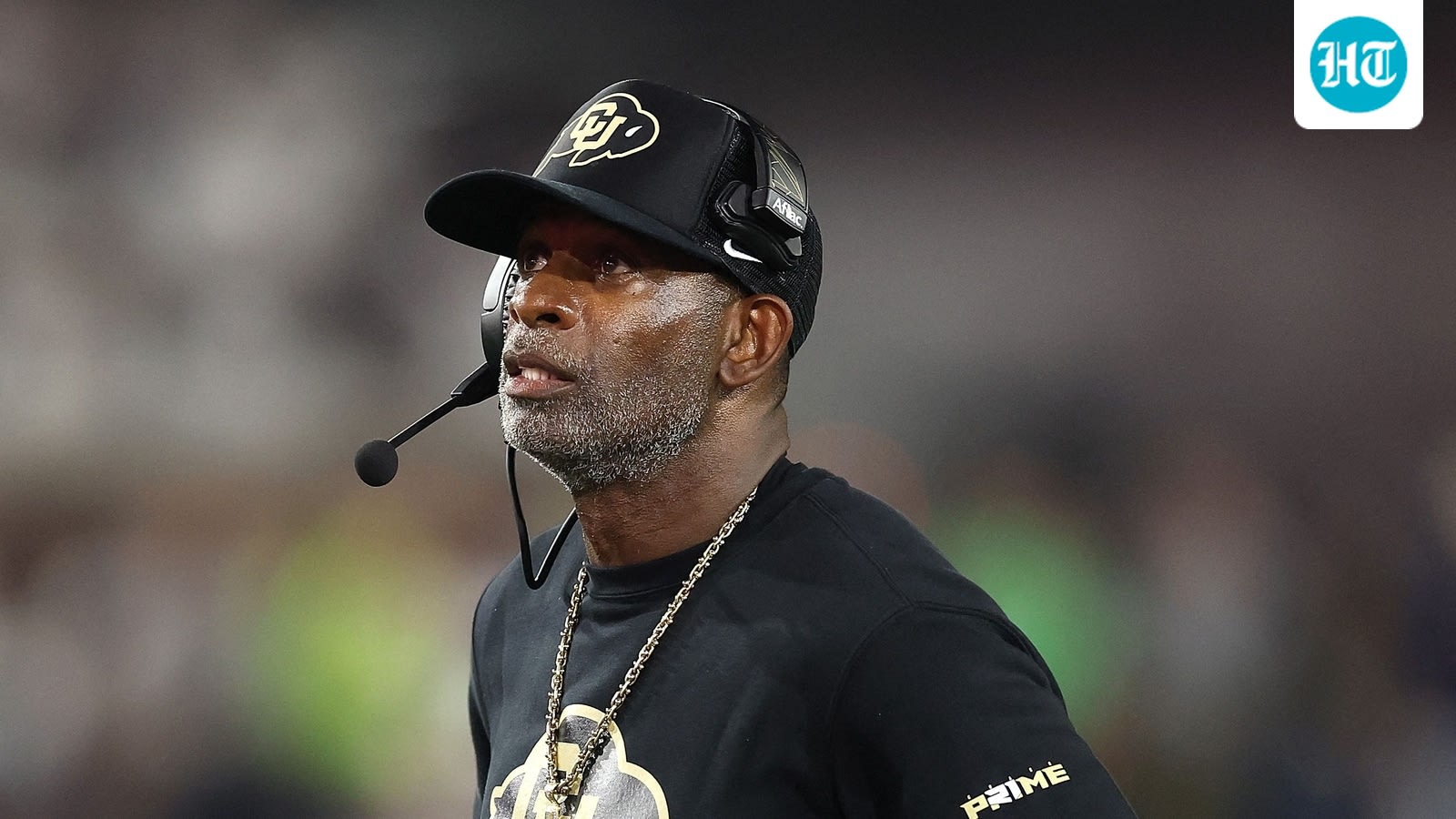
Colorado Buffaloes head coach Deion Sanders has dismissed several players from the program following a 41-7 loss to Northwestern. Sanders cited a pattern of behavior detrimental to the team as the primary cause for the roster changes.
Assessing the Roster Shakeup at Colorado
In a significant move for the Colorado Buffaloes football program, head coach Deion Sanders has confirmed the removal of several players from the roster. This decision follows a lopsided 41-7 defeat against Northwestern, a loss that brought the team's internal culture under intense scrutiny. While the timing of the announcement aligns with a difficult game, Sanders has been clear that these personnel changes are the culmination of a persistent pattern rather than a reactionary measure to a single performance.
The Concept of Conduct Detrimental
Coach Sanders has characterized the dismissals as a response to "conduct detrimental to the team." In the context of collegiate athletics, this term typically refers to behaviors that undermine the collective goals of the squad, such as violations of team policy, lack of accountability, or a failure to uphold the program’s established standards. The inclusion of footage showing players laughing following the Northwestern loss served as a focal point for public concern, highlighting a potential disconnect between the coaching staff's expectations and the players' demeanor after a significant defeat.
Moving Beyond the Single Loss
It is essential to understand that Sanders explicitly dismissed the notion that this action was solely a response to the Northwestern defeat. By stating, "It’s never one thing," the head coach emphasized that these players had exhibited problematic behavior over an extended period. This suggests that the dismissals are part of an ongoing effort by Sanders to instill a specific culture of discipline and professionalism within the Buffaloes' locker room, signaling that individual performance on the field does not exempt players from behavioral accountability.
Cultural Transformation and Expectations
Since taking the helm at Colorado, Deion Sanders has been vocal about his desire to reshape the program's identity. His approach involves a high level of scrutiny regarding player conduct, and these recent departures demonstrate a willingness to prune the roster to ensure alignment with his vision. This strategy is common in high-stakes collegiate programs where coaches seek to eliminate distractions and foster a highly competitive, focused environment where every member is fully committed to the team's success.
Implications and Future Trends
By keeping the identities of the dismissed players private, Sanders has maintained a level of internal control while sending a clear message to the remaining roster. This approach reflects a broader trend in modern college football, where coaches are increasingly prioritizing team chemistry and accountability as foundational pillars of success. Looking forward, the Buffaloes will likely continue to face pressure to perform, but this move suggests that Sanders is prioritizing long-term cultural stability over short-term roster depth, setting a precedent that continued success requires a unified and disciplined locker room.
Verification Required?