POCSO case against foreign coach over sexual assault of minor athlete in Patiala
Source Entity
Nitin Sharma
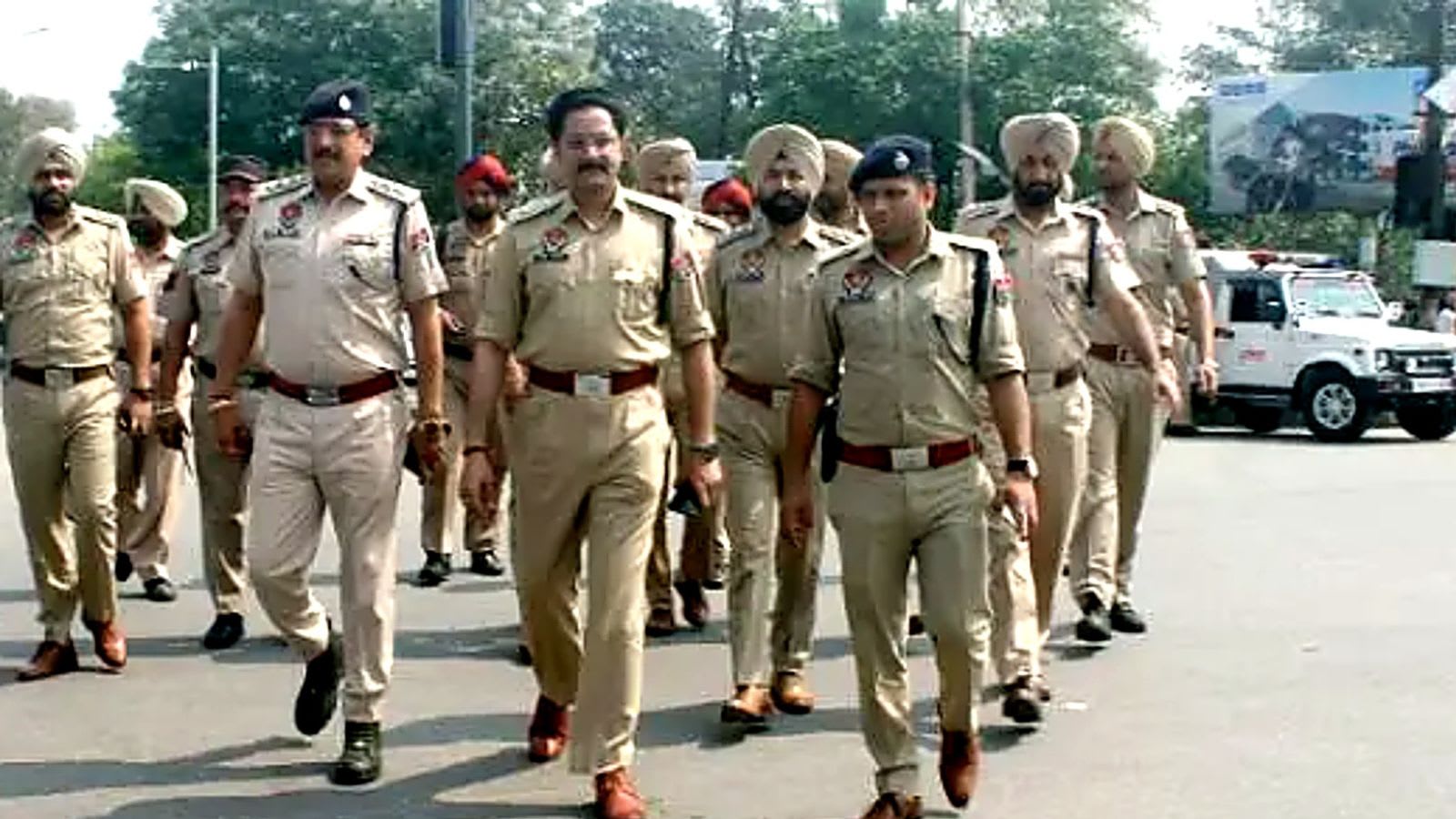
A 34-year-old Kazakh cycling coach, Maxat Ayazbayev, has been booked under the POCSO Act for the alleged rape of a minor athlete in Patiala. Authorities have issued a lookout circular and seized his passport as a manhunt continues following his disappearance.
Serious Allegations Rock Indian Cycling
The sports fraternity is reeling following reports that Maxat Ayazbayev, a 34-year-old coach from Kazakhstan attached to the Indian cycling squad, has been booked under the Protection of Children from Sexual Offences (POCSO) Act. The allegations center on the sexual assault of a minor cyclist during a training camp held at the National Centre of Excellence (NCOE) in Patiala. The gravity of these charges has triggered an immediate and widespread response from law enforcement and sports administrative bodies.
Timeline of the Incident and Reporting
According to official details, the alleged assault took place on September 13. While the incident occurred in mid-September, the matter was formally reported to the key officials of the Cycling Federation of India (CFI) on September 18. Upon receiving the complaint, the federation acted swiftly, filing an FIR with the Punjab Police on the same day. This delay between the incident and the formal report has become a focal point of the ongoing internal inquiry.
Law Enforcement Response and Manhunt
In response to the severity of the charges, the Punjab Police have launched a multi-pronged investigation. Recognizing the risk of flight, authorities have issued a lookout circular (LOC) to prevent the accused from leaving the country. Although Ayazbayev has been declared untraceable since the complaint was filed, the police have seized his passport and travel documents, which were held by the federation. Two dedicated police teams are currently conducting raids across Delhi and the National Capital Region (NCR) to locate the suspect.
Administrative Accountability
The Cycling Federation of India has taken immediate disciplinary action by suspending Ayazbayev. Beyond the legal proceedings, the federation is conducting an internal inquiry to determine how such a breach of safety protocols occurred within a state-run facility like the NCOE. The possession of the coach's passport by the federation has been cited as a critical factor in limiting his mobility, though the failure to prevent his disappearance remains a point of concern for stakeholders.
Broader Implications for Athlete Safety
This incident highlights significant vulnerabilities regarding the protection of minor athletes in high-performance training environments. The NCOE, intended to be a safe harbor for the country's elite talent, is now under scrutiny for its oversight mechanisms. The case serves as a grim reminder of the necessity for stringent background checks and robust safeguarding policies for foreign coaches hired to train domestic athletes.
Future Trends and Conclusion
As the investigation unfolds, it is expected that the Ministry of Youth Affairs and Sports will face increased pressure to overhaul the vetting process for international staff. The legal outcome of this case will likely set a precedent for how sports federations manage allegations of abuse under the POCSO Act. For the Indian cycling community, the focus remains on ensuring justice for the survivor while addressing the systemic failures that allowed this alleged abuse to occur behind closed doors.