Delayed foot overbridge on Bengaluru-Mysuru highway puts pedestrians crossing busy road at risk
Source Entity
India Latest News: Top National Headlines Today & Breaking News | The Hindu
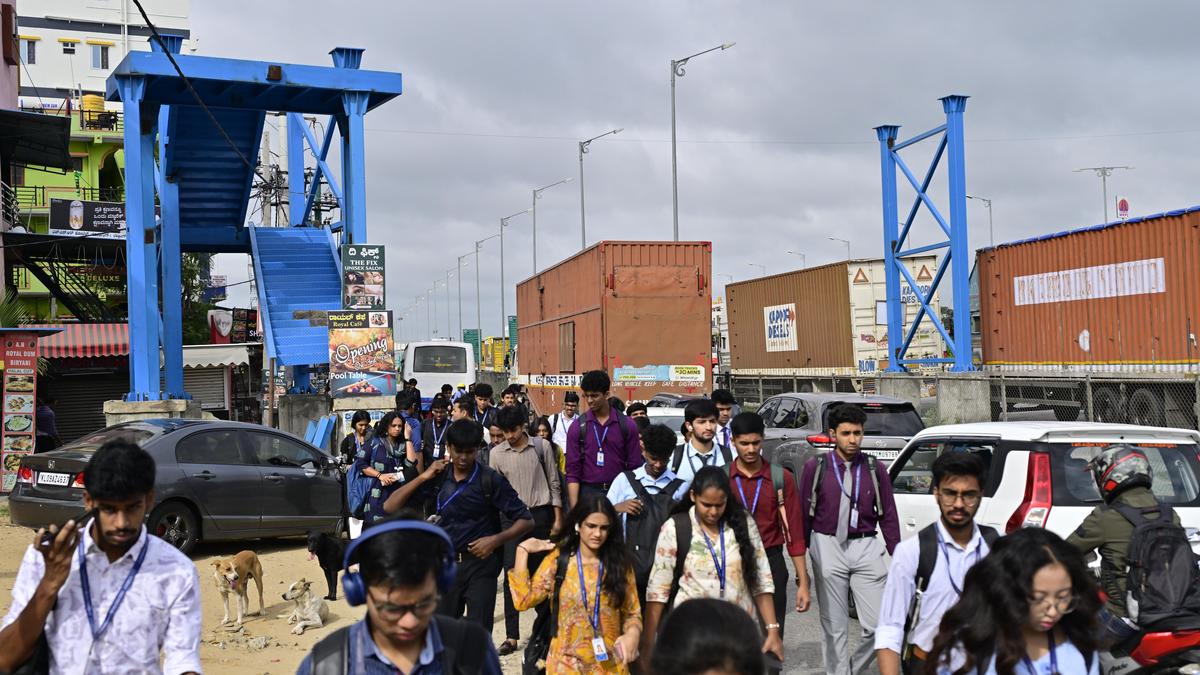
According to Bengaluru Traffic Police data, over four fatal accidents occurred on the stretch between January 2025 and May 2026
Infrastructure Failure: The Deadly Cost of Delay on the Bengaluru-Mysuru Highway
The intersection of urban expansion and lagging infrastructure has created a lethal environment for pedestrians on the Bengaluru-Mysuru highway. A critical delay in the construction of a planned foot overbridge has transformed a routine commute into a high-stakes gamble for local residents. This situation highlights a recurring theme in rapid urbanization: the failure to synchronize pedestrian safety measures with the increasing volume and speed of vehicular traffic, leading to avoidable tragedies.
The Human Toll: Analyzing the Fatalities
According to data provided by the Bengaluru Traffic Police, the consequences of this administrative delay are stark and measurable. Between January 2025 and May 2026, more than four fatal accidents occurred on this specific stretch of the highway. These figures represent a systemic failure to protect vulnerable road users. When pedestrians are forced to cross a high-speed arterial road on foot, the margin for error is non-existent, and the result is often catastrophic, as the speed of highway traffic leaves motorists with little time to react to pedestrians in the roadway.
The Strategic Importance of the Corridor
The Bengaluru-Mysuru highway is one of the most vital transport arteries in Karnataka, serving as a primary link between the state's administrative capital and its cultural hub. The road handles a massive volume of daily commuters, commercial freight, and tourists. Because the road is engineered for high-speed transit to facilitate efficient inter-city travel, any point where pedestrians must cross creates a dangerous conflict zone. The absence of a foot overbridge effectively forces residents to navigate a high-risk environment to access essential services or transport on the opposite side.
Systemic Delays and Administrative Accountability
The delay of the foot overbridge points to broader issues of project management and accountability within public works. Often, such delays stem from a combination of funding bottlenecks, contractor inefficiency, or poor inter-departmental coordination between road authorities and urban planners. In this instance, the gap between the planning phase and the actual completion of the bridge has left a window of vulnerability. The fact that fatalities continued to climb through May 2026 suggests a lack of urgent intervention or the failure to implement effective temporary safety measures during the construction lag.
Future Trends and Necessary Interventions
If this pattern of delayed safety infrastructure continues, the Bengaluru-Mysuru highway could see a further rise in pedestrian casualties as traffic density increases in line with regional growth. To mitigate this, authorities must not only accelerate the completion of the overbridge but also implement immediate "stop-gap" measures. These could include increased police deployment to manage crossings, the installation of high-visibility pedestrian signage, or the creation of temporary controlled crossing points. Moving forward, a "safety-first" approach—where pedestrian access is completed concurrently with road expansions—is essential to prevent similar crises on other highways.
Conclusion: A Call for Urgent Action
The tragedy on the Bengaluru-Mysuru highway is a preventable crisis. The data from the Bengaluru Traffic Police serves as a grim reminder that infrastructure delays are not merely administrative inconveniences but are matters of life and death. The immediate completion of the foot overbridge is the only viable long-term solution to ensure that the necessity of regional mobility does not come at the cost of human life.
Verification Required?