Sharjeel Imam moves court for PhD material on pendrive after Tihar objects
Source Entity
Sohini Ghosh
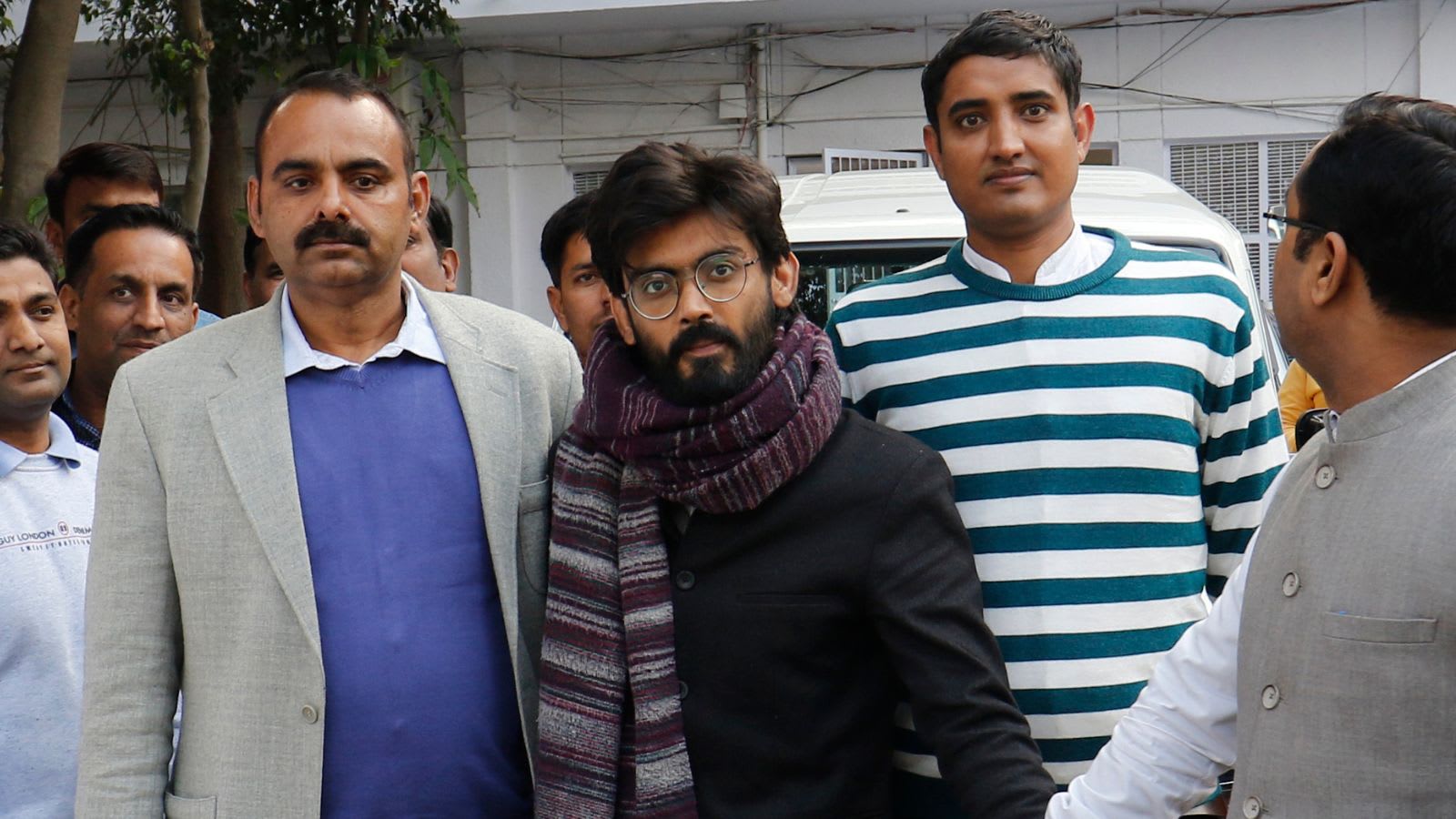
The Delhi High Court has directed Tihar Jail authorities to respond to a petition by student activist Sharjeel Imam, who is seeking access to research materials for his PhD. Imam, currently incarcerated in connection with the 2020 Delhi riots, argues that prison authorities have denied his request to use a pen drive for academic purposes.
Legal Intervention in Academic Pursuit
The Delhi High Court has taken cognizance of a petition filed by Sharjeel Imam, an incarcerated student activist, regarding his ongoing efforts to complete his doctoral studies. Presided over by Justice Sanjeev Narula, the court has directed Tihar Jail authorities to submit a status report concerning Imam's request for access to research material stored on a pen drive. The matter, which highlights the intersection of judicial custody and the right to education, has been scheduled for further hearing on November 2.
The Context of Incarceration and Academic Delay
Sharjeel Imam has been in custody since his arrest on January 28, 2020, following the riots that occurred in northeast Delhi. His legal representation, advocate Ahmed Ibrahim, has emphasized that Imam was in the final stages of his PhD program at Jawaharlal Nehru University (JNU) when he was detained. The petition notes that his PhD synopsis had already received approval from both the University Grants Commission (UGC) and JNU, underscoring the academic legitimacy of his ongoing work prior to the disruption caused by his arrest.
Challenges in Accessing Research Data
Central to the current legal dispute is the refusal by Tihar Jail authorities to permit Imam access to a pen drive containing his research data. According to the petitioner, his academic progress has been delayed by over seven years due to his ongoing incarceration in the 2020 Delhi riots ‘larger conspiracy’ case. Imam has proposed a compromise to the court, suggesting that prison authorities could thoroughly inspect the contents of the pen drive for security purposes before transferring the files to a computer device within the prison premises that lacks internet access.
Balancing Security and Educational Rights
The argument presented by the defense highlights a significant logistical challenge regarding the volume of academic research. Advocate Ibrahim noted that printing the research material would result in 'lakhs' of pages, making digital access via a secure terminal the only viable solution for the student to continue his scholarly work. This raises broader questions about how correctional facilities manage the academic rights of detainees, particularly those involved in long-term legal proceedings.
Judicial Oversight and Future Implications
By seeking a status report from the prison administration, the Delhi High Court is ensuring that the balance between prison security protocols and the fundamental rights of the accused remains under judicial review. The upcoming hearing on November 2 will be pivotal in determining whether the court will mandate specific accommodations for academic research within the prison system. This case serves as a notable example of how the judiciary navigates the complexities of maintaining academic continuity for individuals awaiting trial in high-profile cases.
Conclusion
The outcome of this petition will not only impact Sharjeel Imam’s ability to resume his PhD but may also establish a precedent for how Tihar Jail and other correctional facilities handle requests for digital academic resources. As the legal process continues, the court’s decision will reflect the evolving standards for prisoner rights in the context of advanced academic research during prolonged periods of incarceration.