Water stock in 7 lakes will last only till May 2027: BMC
Source Entity
Pratip Acharya
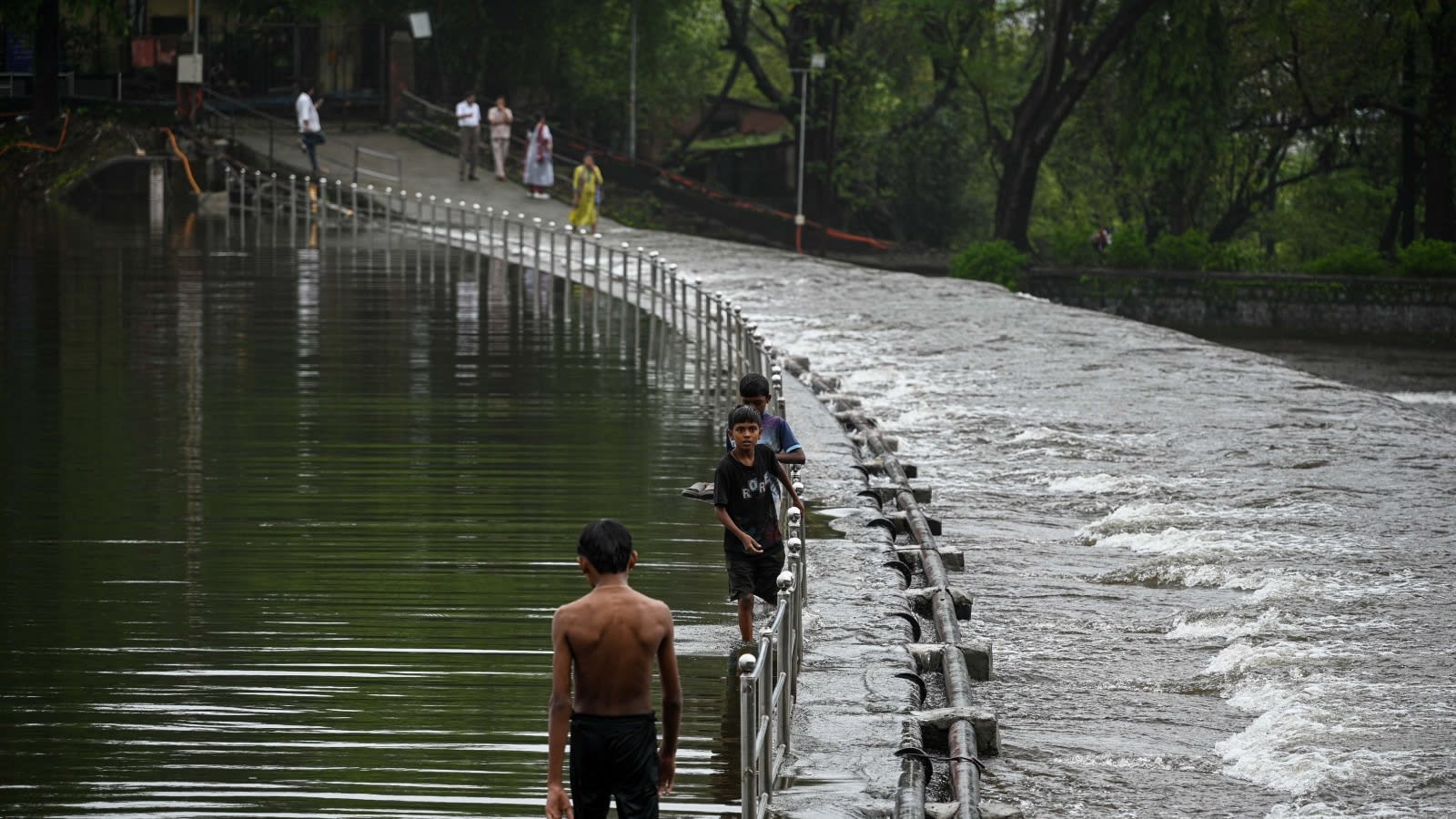
Mumbai faces a severe water crisis as the BMC reports that current lake stocks will only last until May 2027. The shortage, exacerbated by El-Niño-driven drought, has forced the state to consider urban water cuts and construction restrictions.
Mumbai's Looming Water Crisis: A Deep Dive into Reservoir Levels
Mumbai, the financial capital of India, is currently confronting a significant water security challenge. The Brihanmumbai Municipal Corporation (BMC) has officially stated that the water stock in the seven lakes supplying the city is sufficient only until May 2027. This alarming projection comes after a monsoon season that failed to bring the reservoirs to their full capacity, marking a deviation from the reliable accumulation patterns witnessed in previous years.
The Impact of El-Niño on Regional Hydrology
The root cause of this scarcity is attributed to the El-Niño climatic pattern, which has resulted in inadequate rainfall across Maharashtra. The state is currently grappling with a widespread drought crisis, impacting both urban infrastructure and agricultural stability. Unlike previous years, where reservoir levels consistently neared the 100 per cent mark, current data indicates a notable decline compared to the 97.57 per cent and 99.09 per cent levels recorded at this time in the two preceding years.
Administrative Concerns and Policy Responses
During recent civic house proceedings, Additional Municipal Commissioner Abhijit Bangar confirmed the grim outlook following inquiries from opposition leader Kishori Pednekar. The discussion was prompted by the existing 10-per cent water cut already implemented in the city. The administration is now tasked with managing a dwindling supply while balancing the essential needs of millions of residents and commercial establishments that rely on these vital water supply channels.
Broader Implications for Maharashtra
Beyond Mumbai, the state government is taking drastic measures to mitigate the effects of the drought, which has been declared in 265 tehsils. The state Cabinet sub-committee on drought mitigation is actively debating further 10 per cent cuts in urban water supply and potential restrictions on construction activities in water-stressed regions. These measures reflect the severity of the agrarian and urban distress currently permeating the state.
Economic and Social Consequences
The crisis extends into the rural economy, where the government plans to allocate Rs 6,728 crore under the employment guarantee scheme to provide relief to affected populations. The intersection of urban water scarcity and rural agrarian distress highlights a systemic vulnerability to climate-driven weather patterns. As the state evaluates the feasibility of stricter water rationing, the focus remains on sustaining the population through the upcoming summer months.
Future Outlook and Mitigation Strategies
Looking ahead, the situation necessitates a long-term approach to water management. With the current supply chain reaching its limits, the BMC and the state government must prioritize infrastructure efficiency and conservation. The reliance on seasonal monsoon filling for the seven lakes leaves the city exposed to climate volatility, underscoring the urgent need for diversified water resources and sustainable consumption policies to ensure future resilience.