Delhi High Court asks Centre, Delhi govt. to respond to plea on Wangchuk’s deteriorating health
Source Entity
India Latest News: Top National Headlines Today & Breaking News | The Hindu
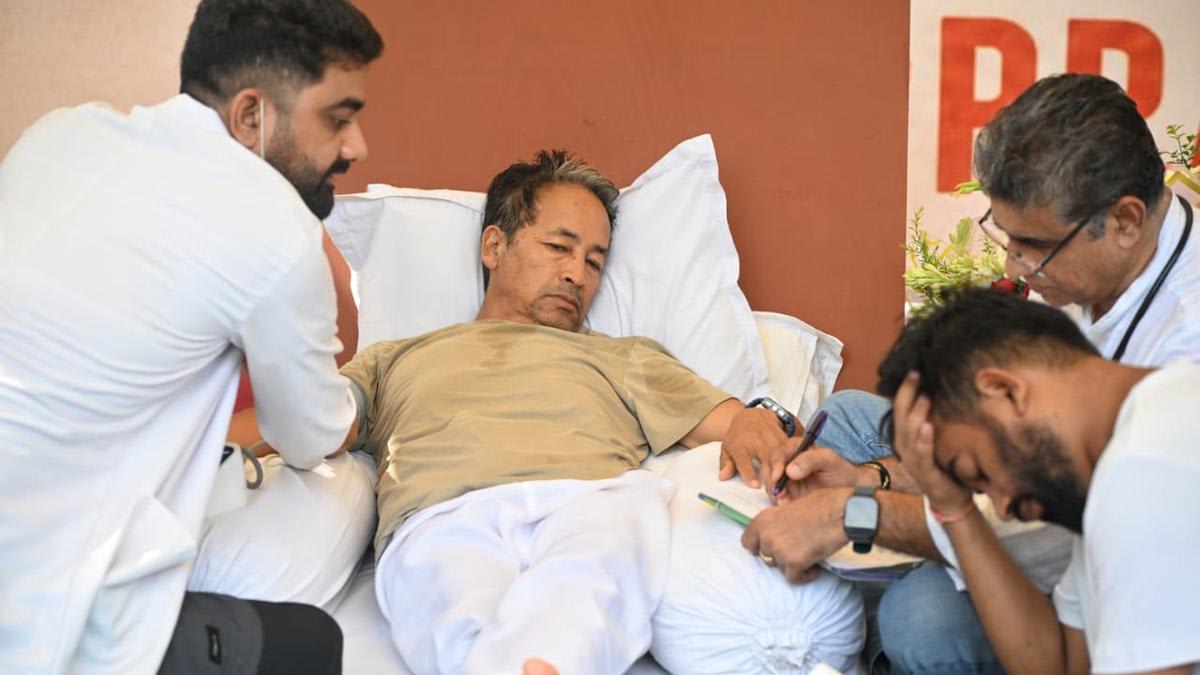
The Delhi High Court has ordered the Central government and the Delhi government to provide an urgent response by tomorrow regarding a petition concerning the deteriorating health of activist Sonam Wangchuk.
Judicial Intervention in the Case of Sonam Wangchuk
The Delhi High Court's recent directive to the Central and Delhi governments marks a critical juncture in the legal and humanitarian discourse surrounding activist Sonam Wangchuk. By demanding a response by the following day, the court has explicitly categorized the matter as 'urgent,' signaling that the health of the petitioner is currently at a precarious stage. This judicial intervention shifts the narrative from a purely political struggle to a fundamental concern regarding the right to health and life, emphasizing the court's role as a guardian of individual liberties.
The Profile of an Activist and the Ladakh Context
To understand the gravity of this plea, it is essential to recognize who Sonam Wangchuk is. An educator and environmentalist from Ladakh, Wangchuk has become the face of a movement demanding constitutional safeguards for the Ladakh region. Specifically, he has advocated for the inclusion of Ladakh under the Sixth Schedule of the Indian Constitution, which would allow for the creation of Autonomous District Councils to protect the region's fragile ecology and indigenous culture. His protests, which have often included extreme measures like long-term fasts, have taken a significant toll on his physical well-being, leading to the current legal urgency.
Legal Accountability and the State's Responsibility
The court's insistence on responses from both the Central and Delhi governments highlights the complex jurisdictional layers involved when high-profile activists are detained or protesting within the capital. Under Article 21 of the Indian Constitution, the right to life and personal liberty is paramount. When a citizen's health deteriorates while under the scrutiny or restriction of state authorities, the judiciary must ensure that the state is not negligent. The 'urgent' nature of the HC's order suggests a high level of concern that any further delay in medical attention or administrative clarity could lead to an irreversible health crisis.
Broader Implications for Political Activism
This case serves as a microcosm of the tension between state security/administration and the right to peaceful protest. The deteriorating health of a leader like Wangchuk often becomes a rallying point for supporters, potentially escalating local tensions in Ladakh. From a legal standpoint, the outcome of this plea will provide clarity on how the government manages the health and safety of dissidents. If the court finds that the state failed to provide adequate care or created conditions that led to the health decline, it could lead to a stern reprimand of the executive branch.
Predicting Future Legal and Social Trends
Moving forward, this development is likely to increase the scrutiny on the Central government's approach toward the demands of the Ladakh region. The judicial focus on Wangchuk's health may force the government to engage in a more empathetic or diplomatic dialogue with the protestors to avoid a humanitarian crisis that could damage its international and domestic image. We can expect a series of follow-up hearings where the court may demand medical reports and a clear roadmap for the activist's recovery.
Conclusion
In summary, the Delhi High Court's order is a necessary check on executive power, ensuring that the biological survival of an activist is not sidelined by political disagreements. By prioritizing the urgent response from the government, the judiciary is upholding the principle that human rights are non-negotiable, regardless of the political nature of the individual's activism. The response due tomorrow will be pivotal in determining whether the state is acting in accordance with its duty of care.
Verification Required?