2 killed after fire breaks out at building in Mamura village in Noida's Sector 66
Source Entity
Latest News: Today's Latest News Headlines from India & World | Hindustan Times | Hindustan Times
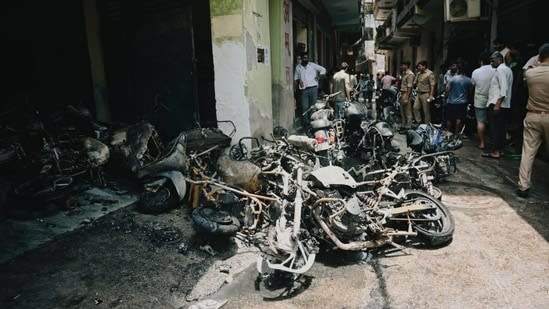
A fire broke out in a building located in Mamura village, Sector 66, Noida, resulting in the tragic death of two individuals.
Tragedy in Noida: Fatal Fire Outbreak in Mamura Village
A devastating fire incident has struck the heart of Sector 66 in Noida, specifically within the enclave of Mamura village, resulting in the loss of two lives. The blaze, which erupted within a building in the densely populated village area, underscores the persistent dangers associated with urban fire hazards in rapidly expanding metropolitan hubs. This incident serves as a grim reminder of the vulnerability of residential structures in mixed-use zones where safety regulations are often overlooked.
The Vulnerability of Urban Villages
To understand the gravity of this event, one must consider the unique geographical and structural nature of 'urban villages' like Mamura. While Noida is known for its wide roads and planned corporate sectors, these village pockets remain characterized by narrow lanes, haphazard construction, and high population density. In such environments, buildings are often extended vertically without proper structural audits or adherence to modern fire safety codes. The congestion in Mamura village likely contributed to the severity of the incident, as the proximity of buildings can allow fire to spread rapidly from one structure to another.
Infrastructure and Electrical Hazards
Historically, fire outbreaks in these specific regions of Noida are frequently linked to electrical failures. The proliferation of unauthorized electrical connections and the use of low-quality wiring to support modern appliances often lead to short circuits. In the case of the Mamura village fire, the potential for electrical overloading is a significant factor, as many buildings in these areas operate as both residential homes and small-scale commercial hubs or rental hostels for workers employed in the surrounding Sector 66 corporate offices. This dual-use nature increases the electrical load on aging infrastructure, creating a volatile environment.
Challenges in Emergency Response
One of the most critical aspects of this tragedy is the inherent difficulty emergency services face when operating in village layouts. The narrow alleys of Mamura village often act as bottlenecks, preventing large fire tenders from reaching the epicenter of a blaze quickly. When seconds count, the delay caused by inaccessible roads can mean the difference between life and death. This incident highlights a systemic failure in urban planning where the 'village' infrastructure has not evolved to match the density of the population it now supports, leaving residents at higher risk during catastrophes.
Regulatory Gaps and Safety Compliance
This event brings to the forefront the issue of fire safety certifications (NOCs) in semi-authorized constructions. Many buildings in Noida's village areas operate without valid fire safety equipment, such as extinguishers or working hydrant systems. The lack of stringent enforcement of building bylaws in these pockets means that emergency exits are often blocked or non-existent. The deaths in Sector 66 point toward a desperate need for the Noida Authority to conduct comprehensive safety audits and mandate the installation of basic fire-fighting equipment in all high-occupancy buildings within urban villages.
Conclusion and Future Outlook
The loss of two lives in Mamura village is a preventable tragedy that reflects a broader urban crisis. Moving forward, there must be a concerted effort to modernize the infrastructure of Noida's urban villages, focusing on widening access points for emergency vehicles and upgrading electrical grids to prevent short circuits. Until safety is prioritized over rapid, unplanned expansion, the residents of these areas will remain in a state of precariousness. This incident should serve as a catalyst for policymakers to integrate village enclaves into the city's broader safety and disaster management framework.
Verification Required?