Delhi HC seeks govt's response on plea seeking medical intervention for Sonam Wangchuk
Source Entity
TOI NEWS DESK
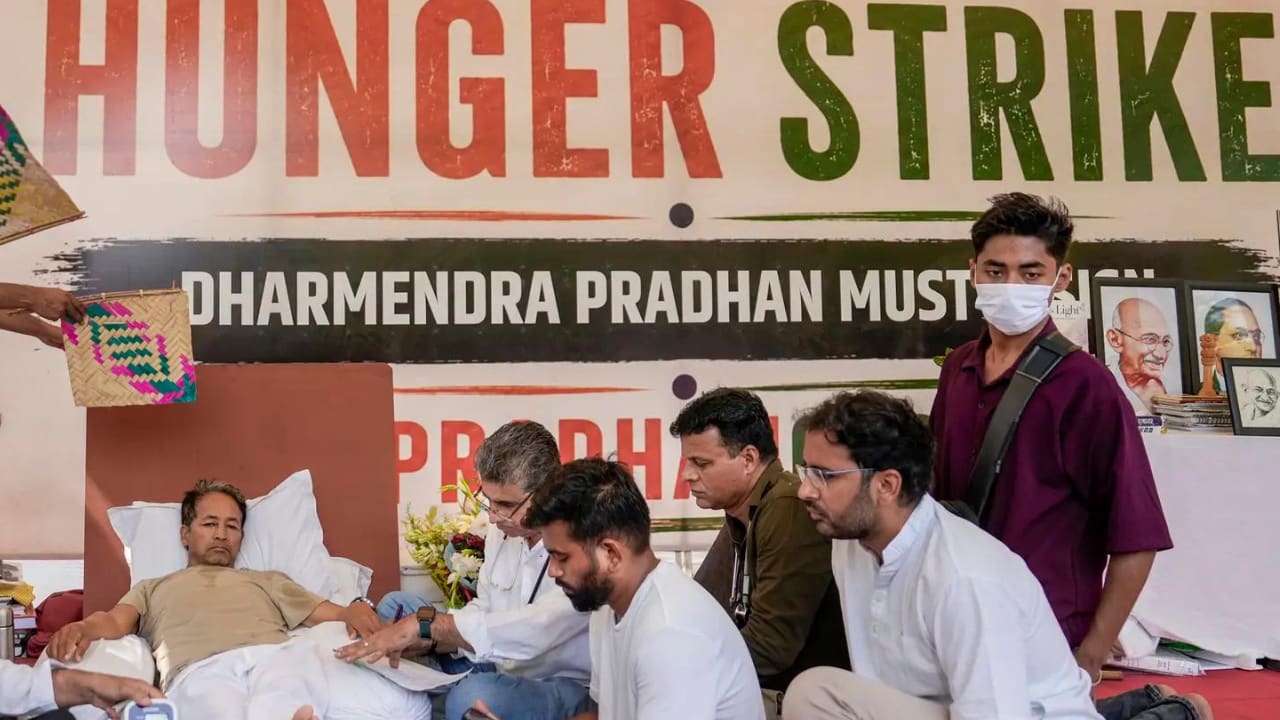
The Delhi High Court has requested responses from the Central and Delhi governments regarding a Public Interest Litigation (PIL) seeking urgent medical intervention for climate activist Sonam Wangchuk, who has been on an indefinite hunger strike since June 28 to protest examination irregularities.
Judicial Intervention in the Health Crisis of Sonam Wangchuk
The Delhi High Court has stepped into a critical situation involving renowned climate activist Sonam Wangchuk, who is currently undergoing an indefinite hunger strike. The court's decision to seek responses from both the Central government and the Delhi government follows a Public Interest Litigation (PIL) filed by activist-lawyer Rakesh Kumar Saini. The core of the plea is the urgent need for medical intervention, specifically requesting that Wangchuk be hospitalized and placed under supervised medical treatment to prevent permanent health deterioration or fatality.
The Legal Nexus: Right to Protest vs. Right to Life
This legal move highlights a recurring tension in Indian jurisprudence: the balance between an individual's right to peaceful protest—including the traditional practice of fasting—and the state's obligation to protect the right to life. By seeking a response from the government, the Delhi High Court is effectively questioning whether the state has failed in its duty of care toward a citizen whose health is rapidly declining. The involvement of the court ensures that the government cannot remain passive while a high-profile figure risks his life to bring attention to systemic failures.
Roots of the Protest: Examination Irregularities
At the heart of Wangchuk's hunger strike is a demand for accountability within the educational administration. Since June 28, Wangchuk has been fasting to demand the resignation of the Education Minister, citing severe examination irregularities. While the specific details of these irregularities are the catalyst for the strike, the broader implication is a call for transparency and meritocracy in India's competitive examination systems. Such irregularities often spark widespread public outrage, as they jeopardize the futures of millions of students, making Wangchuk's protest a matter of significant public interest.
Sonam Wangchuk's Influence and the Stakes
Sonam Wangchuk is not merely a protester but a globally recognized figure known for his contributions to education and environmental sustainability, particularly in the fragile ecosystem of Ladakh. His transition from an educational innovator to a political activist increases the visibility of this strike. Because he commands significant respect across various demographics, his physical condition becomes a symbol of the struggle against administrative corruption. Any adverse health outcome would likely escalate the public outcry, potentially turning a focused demand for a minister's resignation into a larger movement against governmental apathy.
Broader Implications and Future Trends
This event underscores a growing trend in India where activists utilize extreme measures, such as indefinite fasts, to force the government's hand when standard petitions and protests are ignored. The judicial system's proactive stance in this case suggests that the courts are increasingly wary of the political volatility that arises when high-profile activists suffer health crises while in protest. Moving forward, the government's response to the High Court will be pivotal; a dismissive response may further alienate the public, while a collaborative approach toward medical care and addressing the examination grievances could de-escalate the situation.
Conclusion
The current situation involving Sonam Wangchuk is a precarious intersection of health, law, and political accountability. The Delhi High Court's intervention serves as a necessary safety valve to ensure that the activist's life is preserved while the underlying issues of examination irregularities are addressed. The resolution of this matter will likely depend on whether the government chooses to engage with the grievances of the activist or continues to rely on the legal process to manage the crisis.